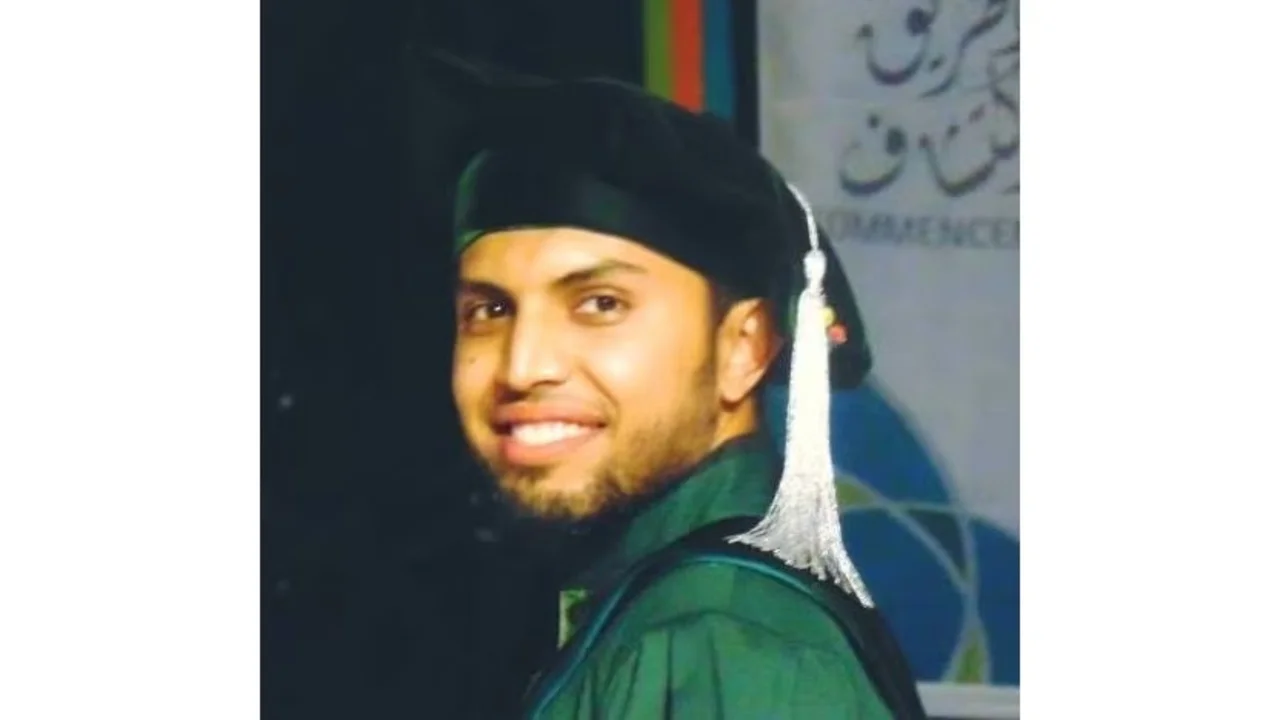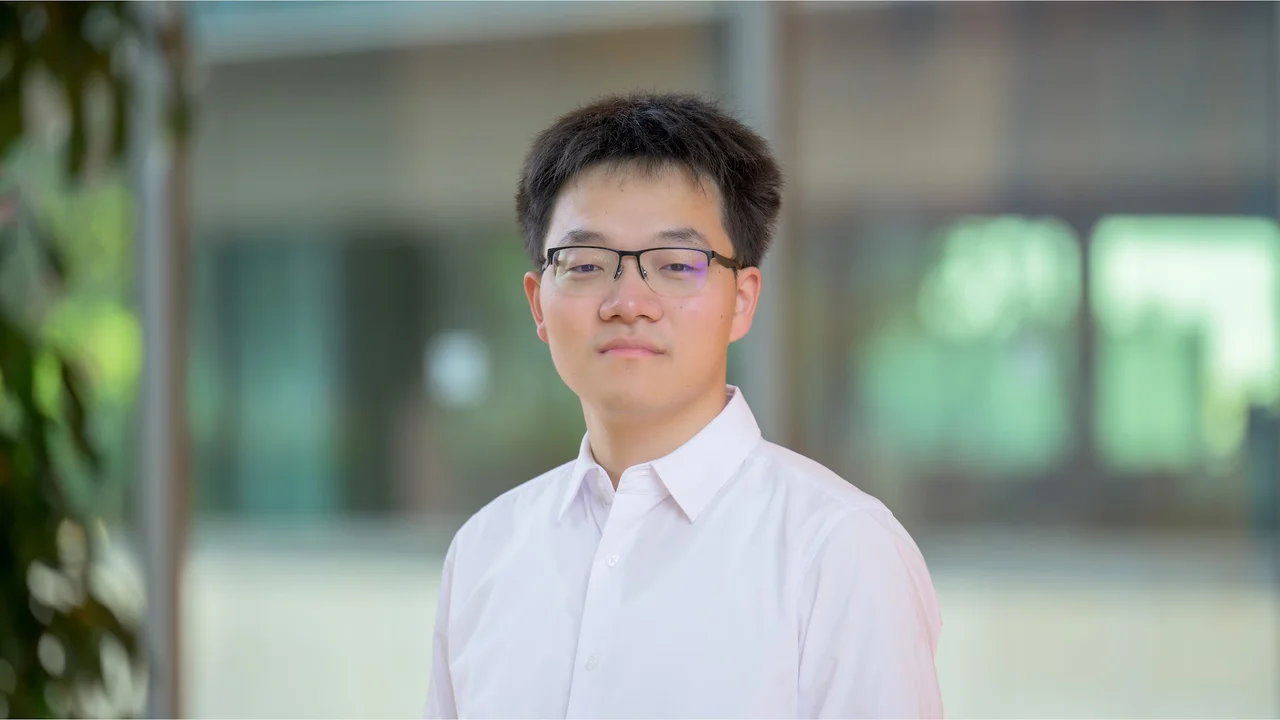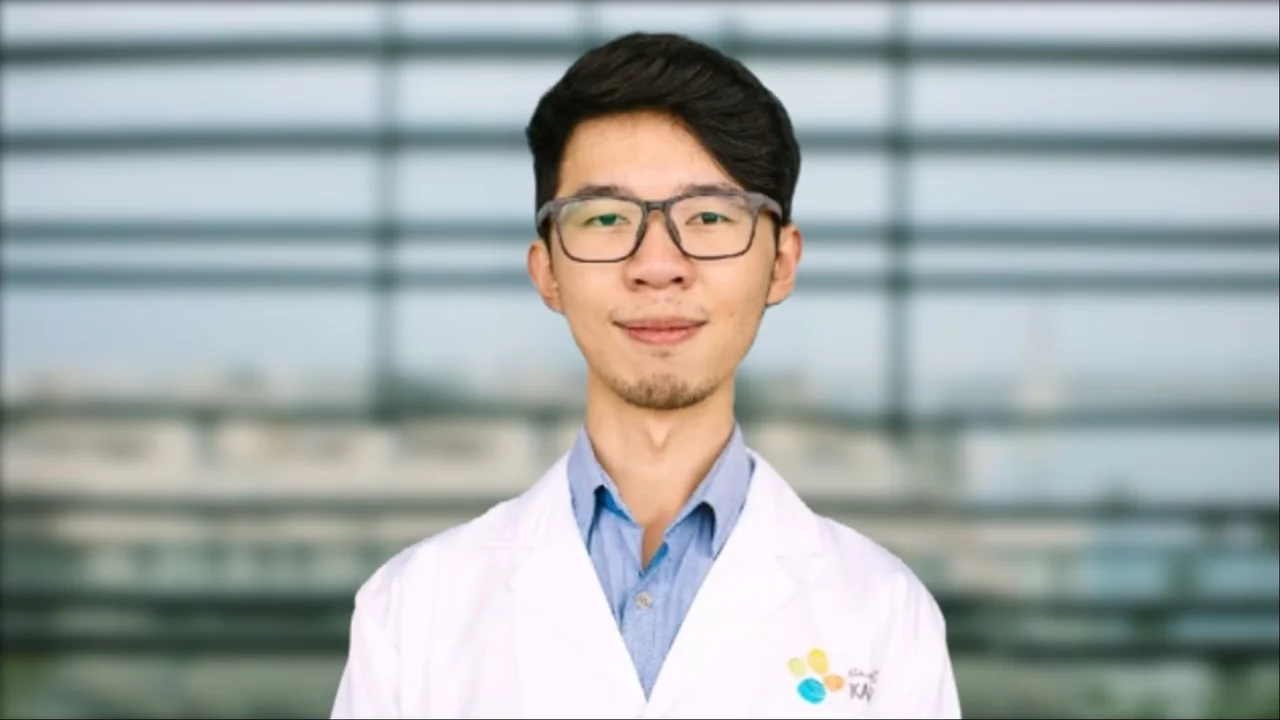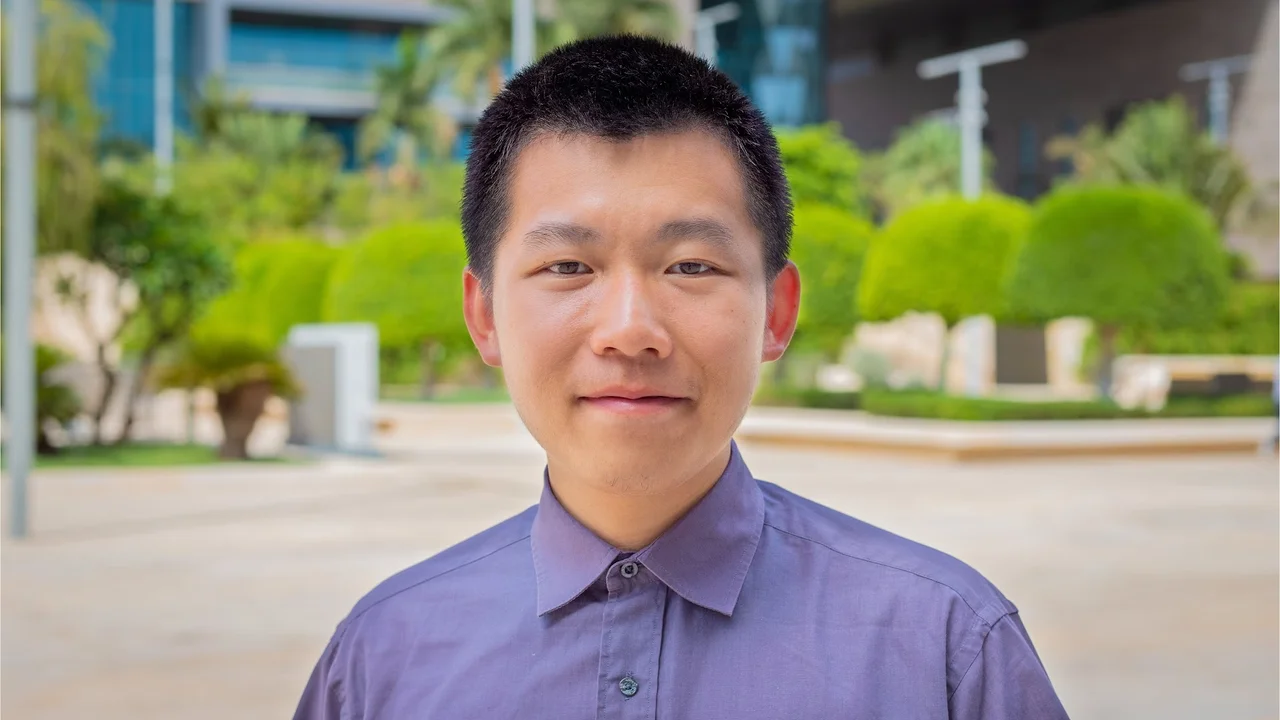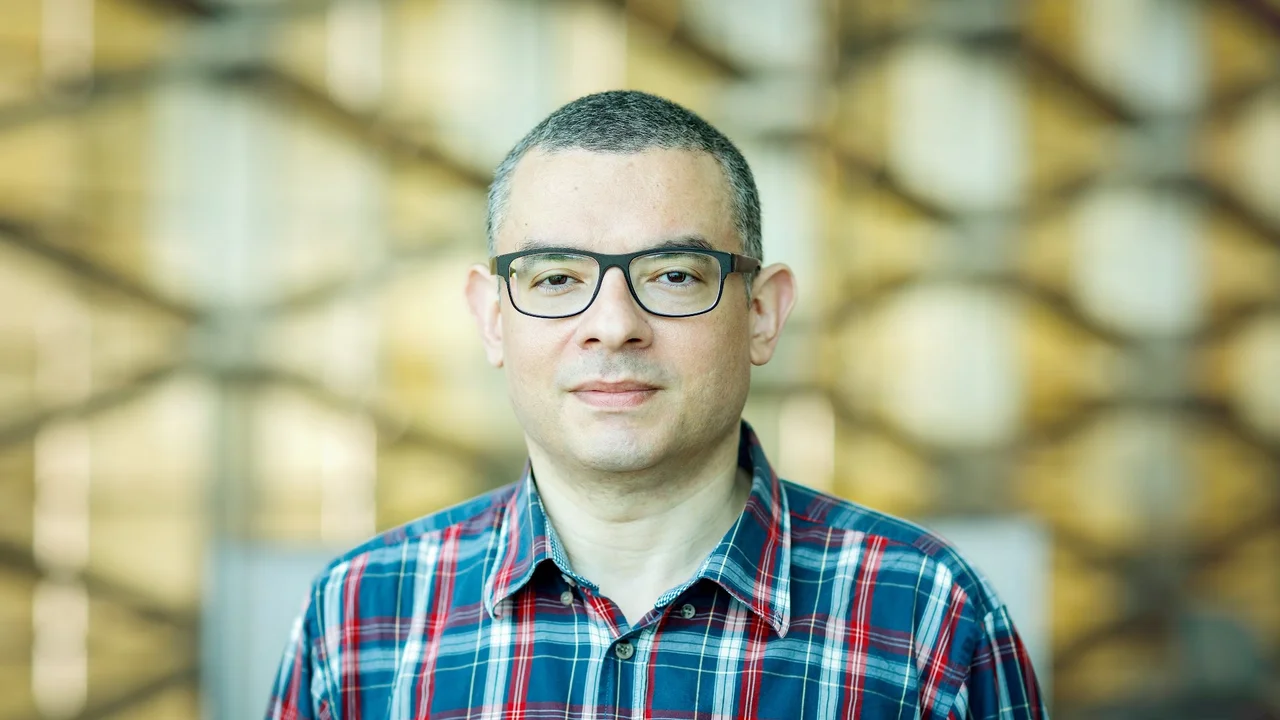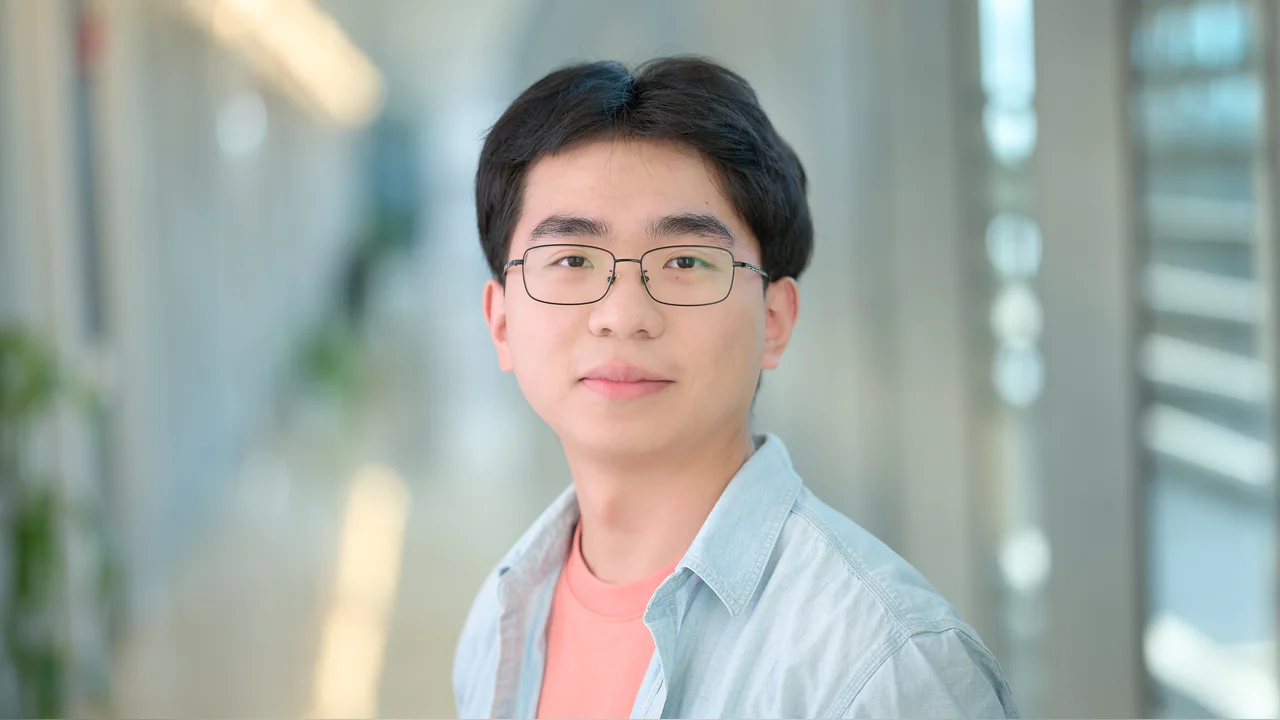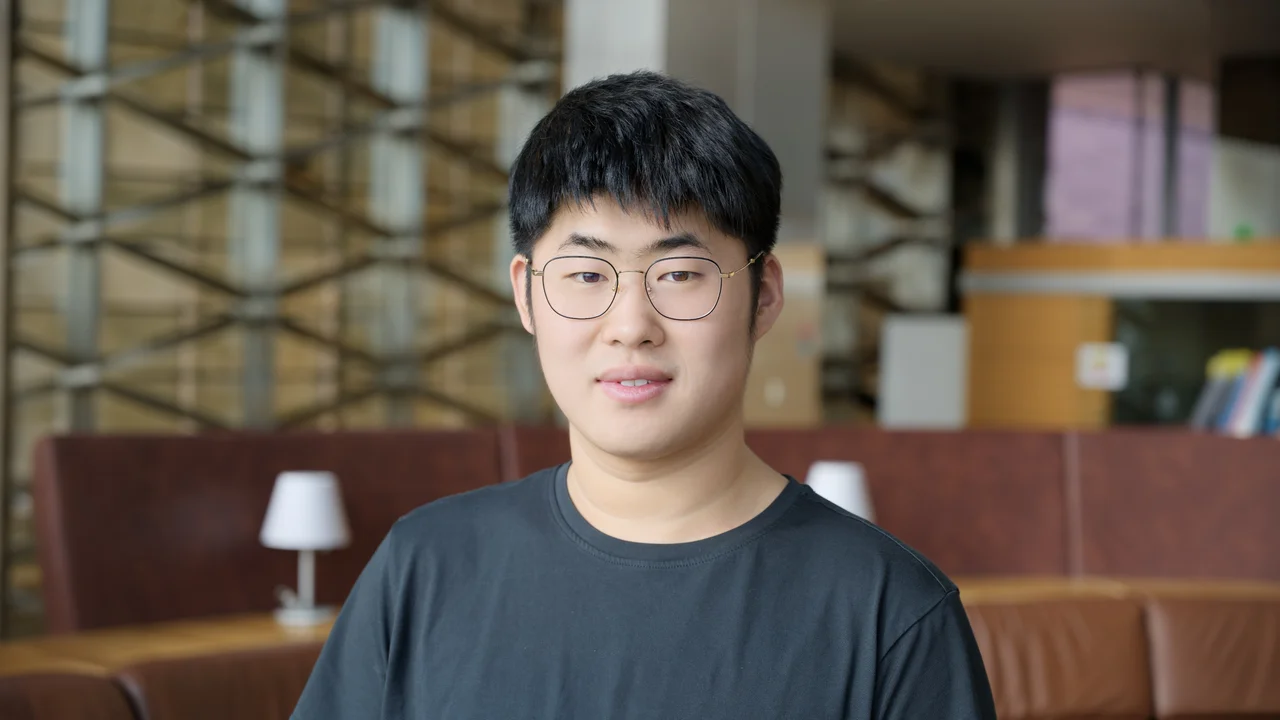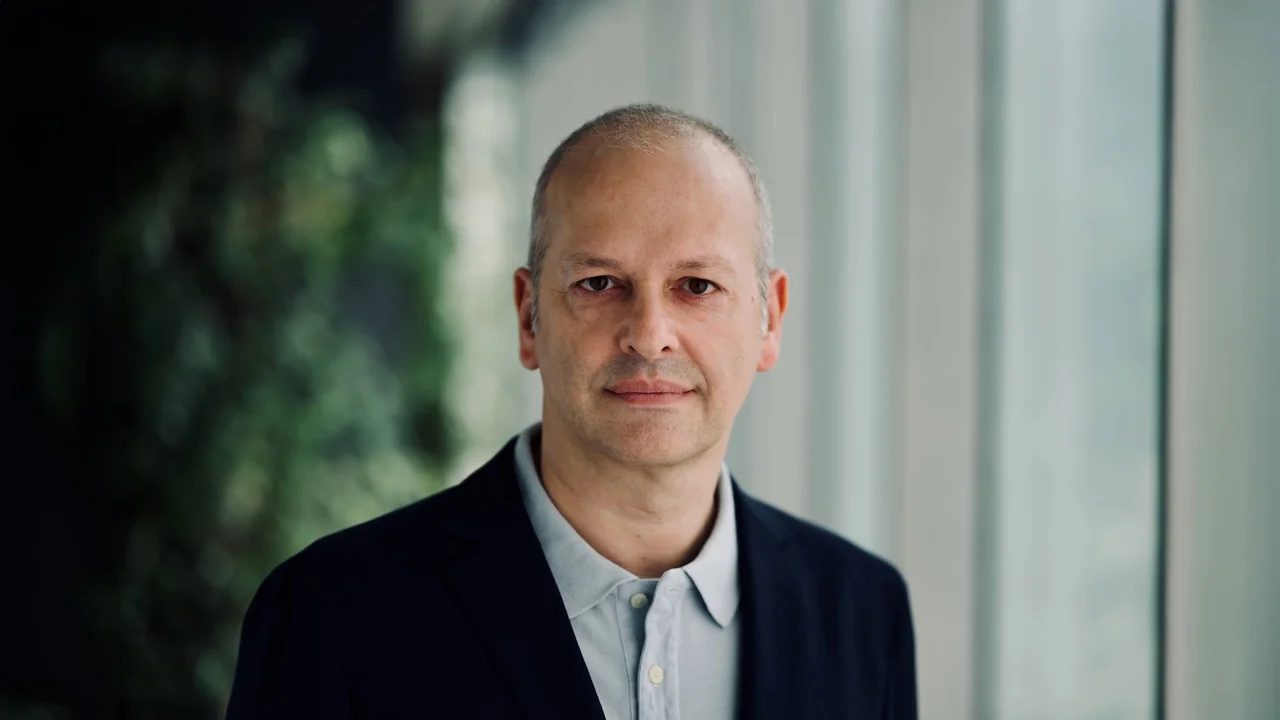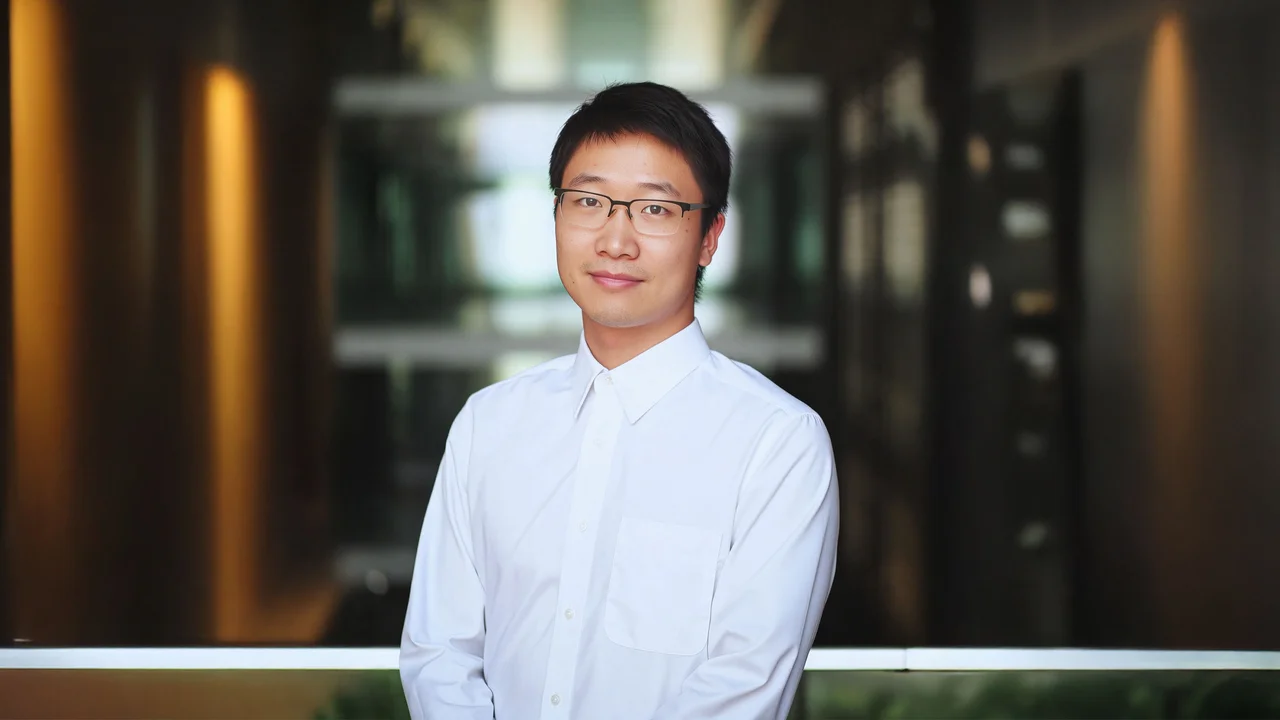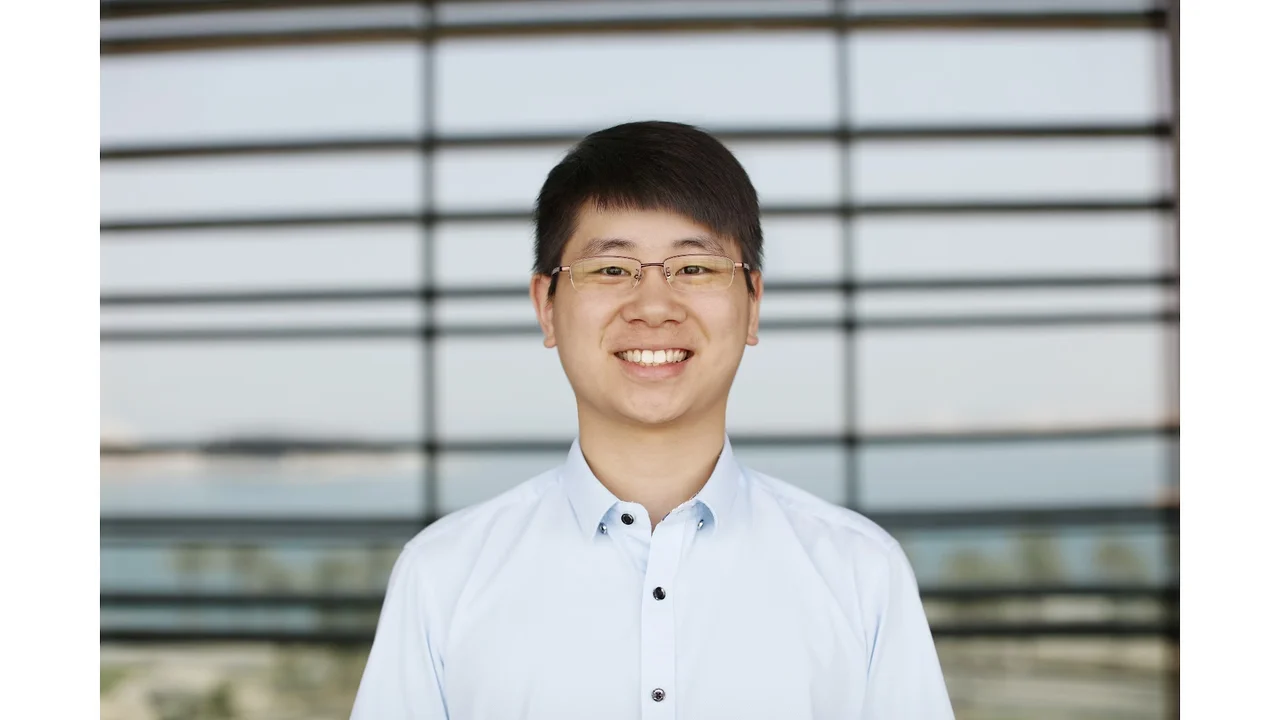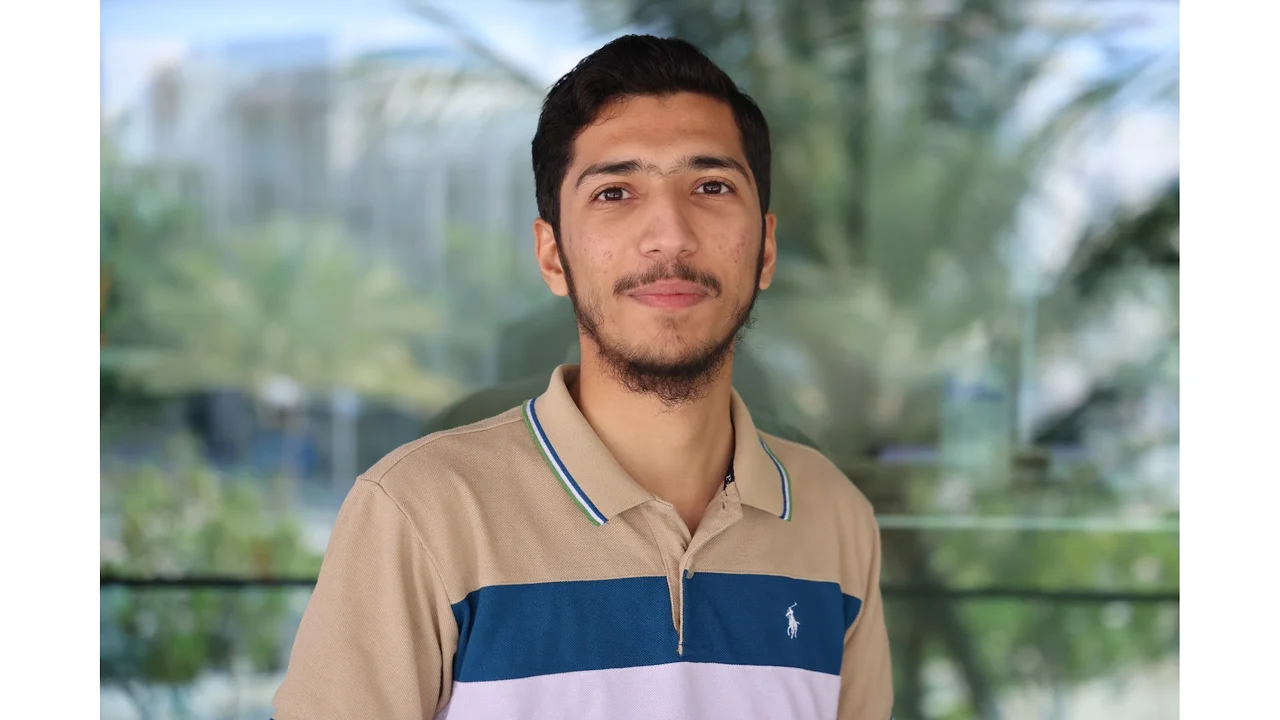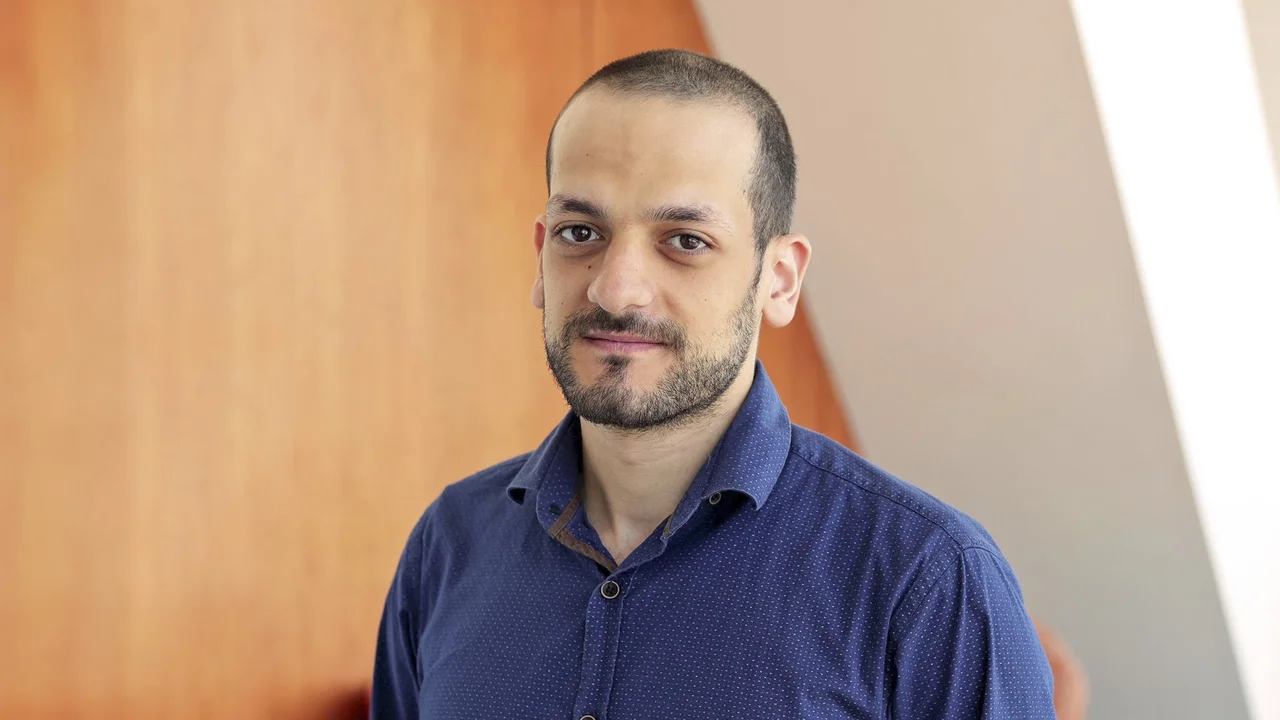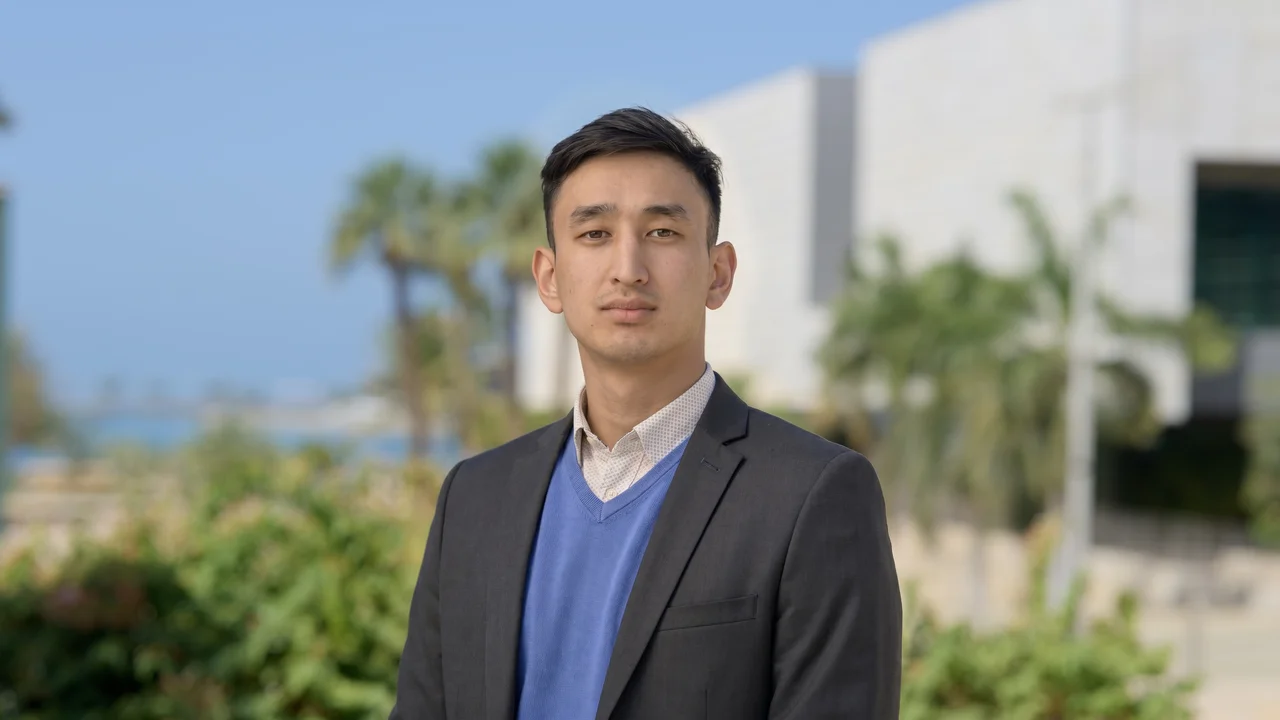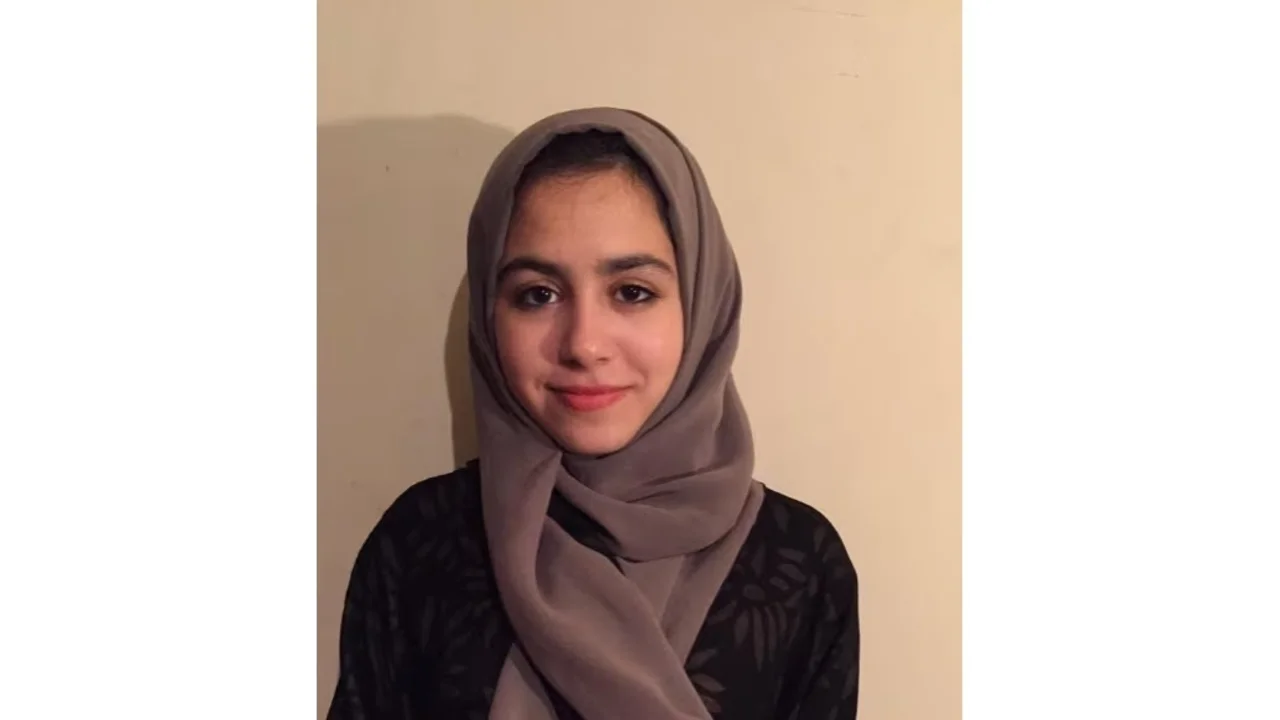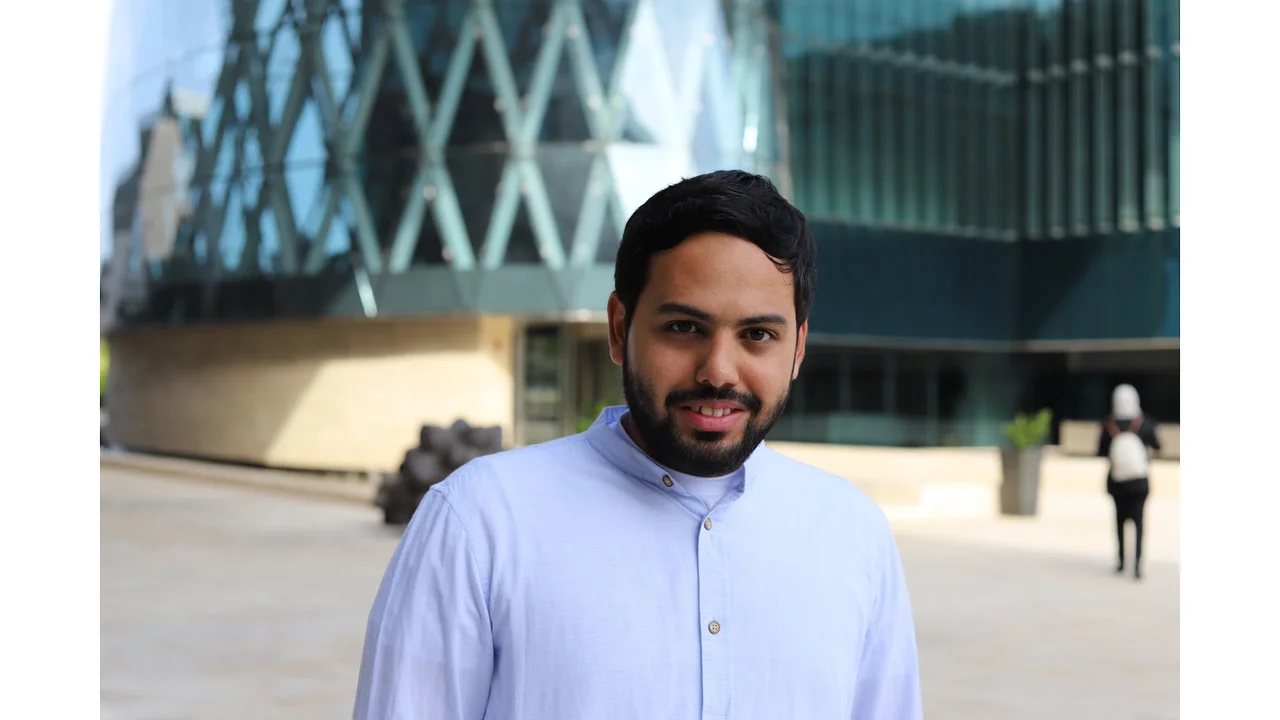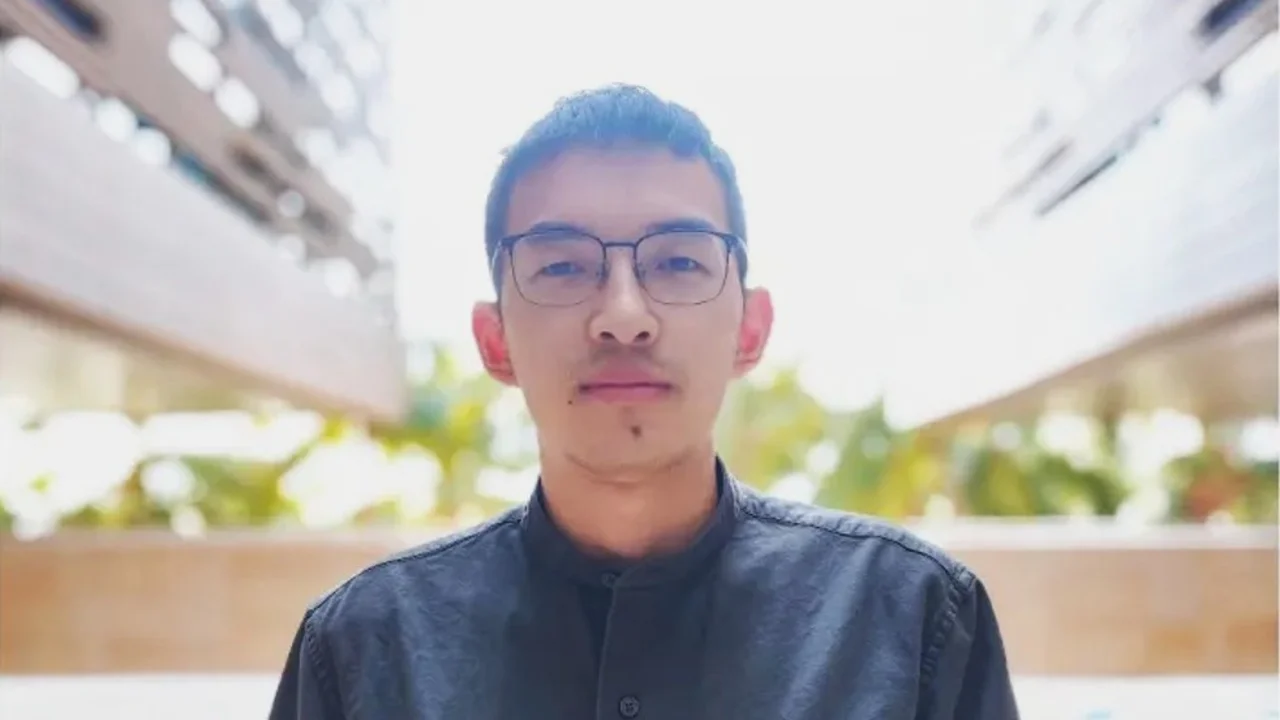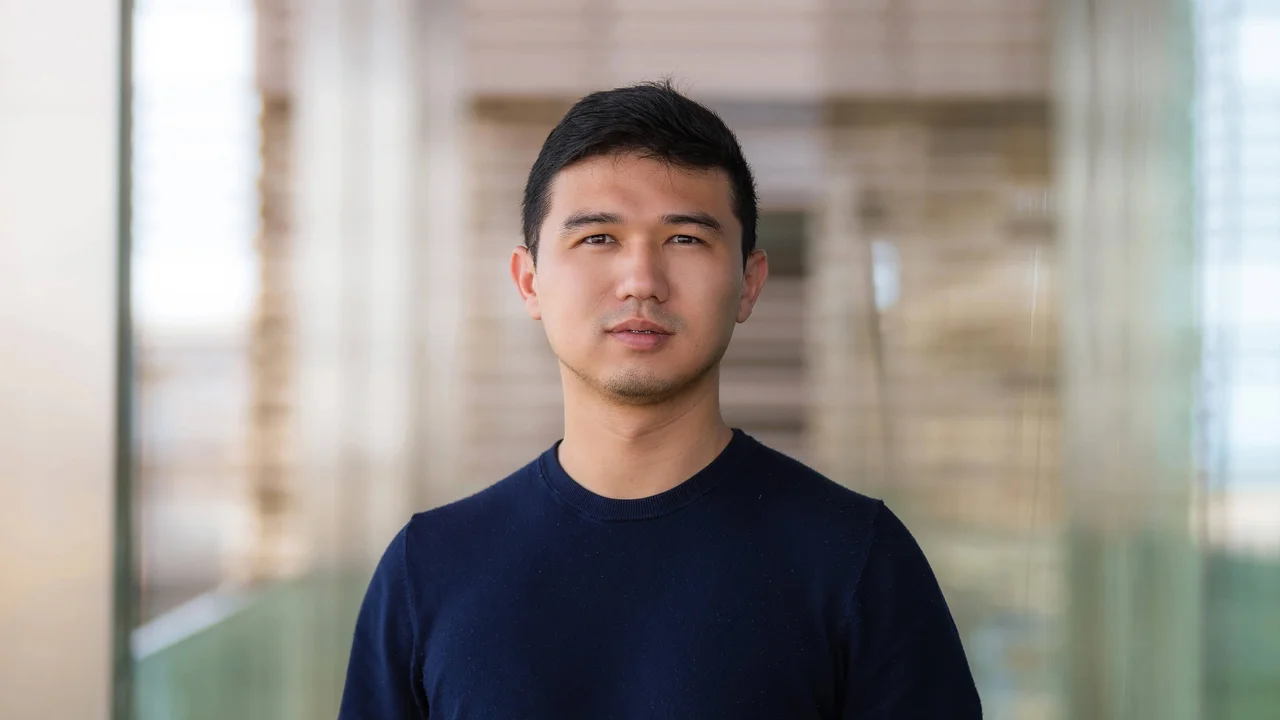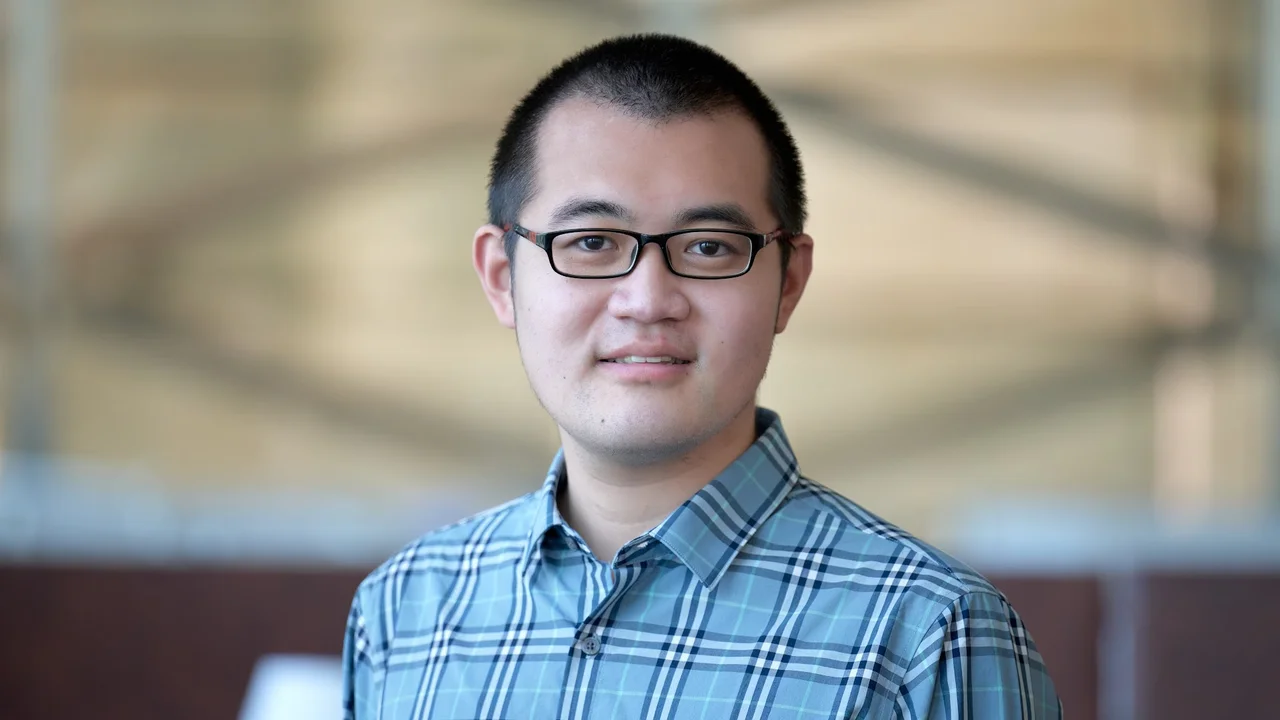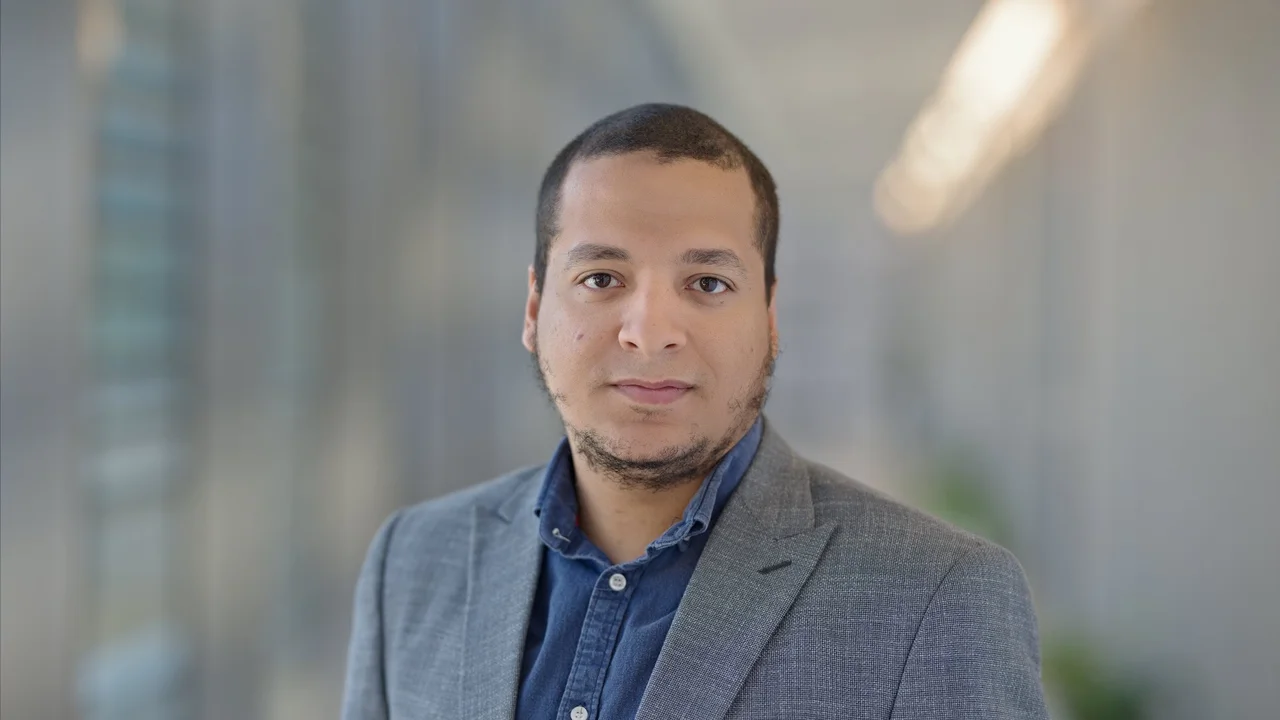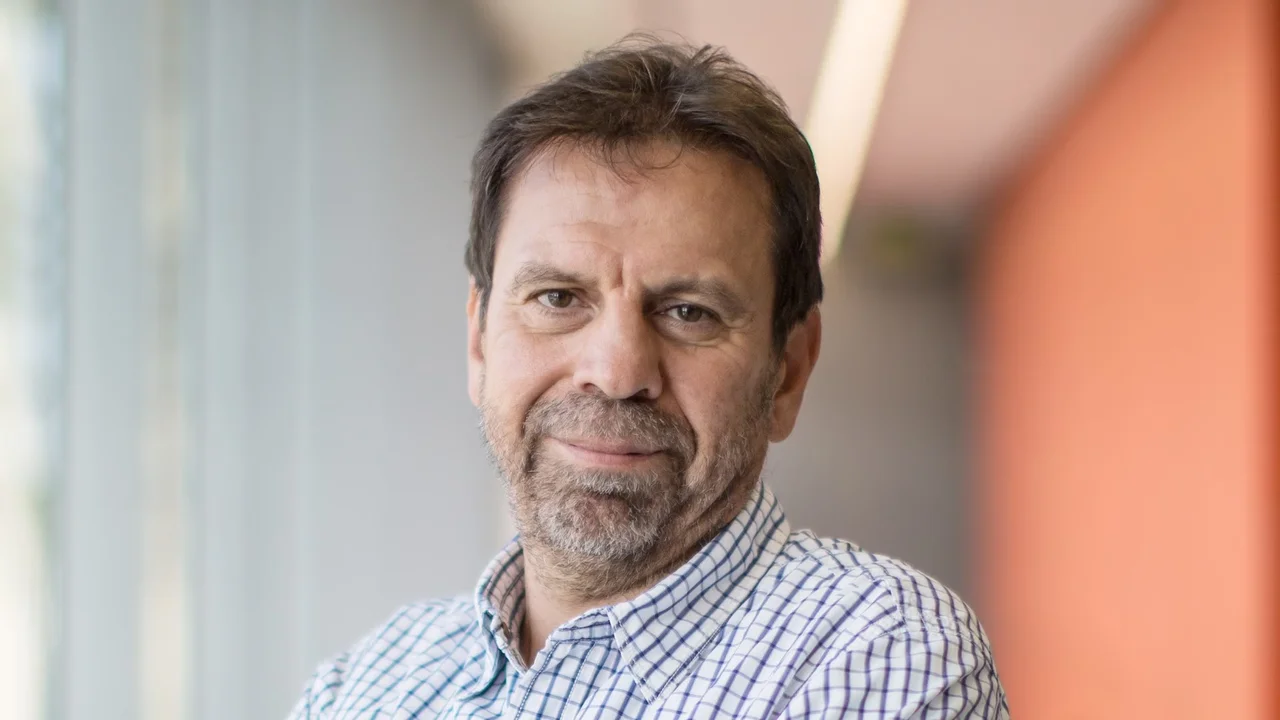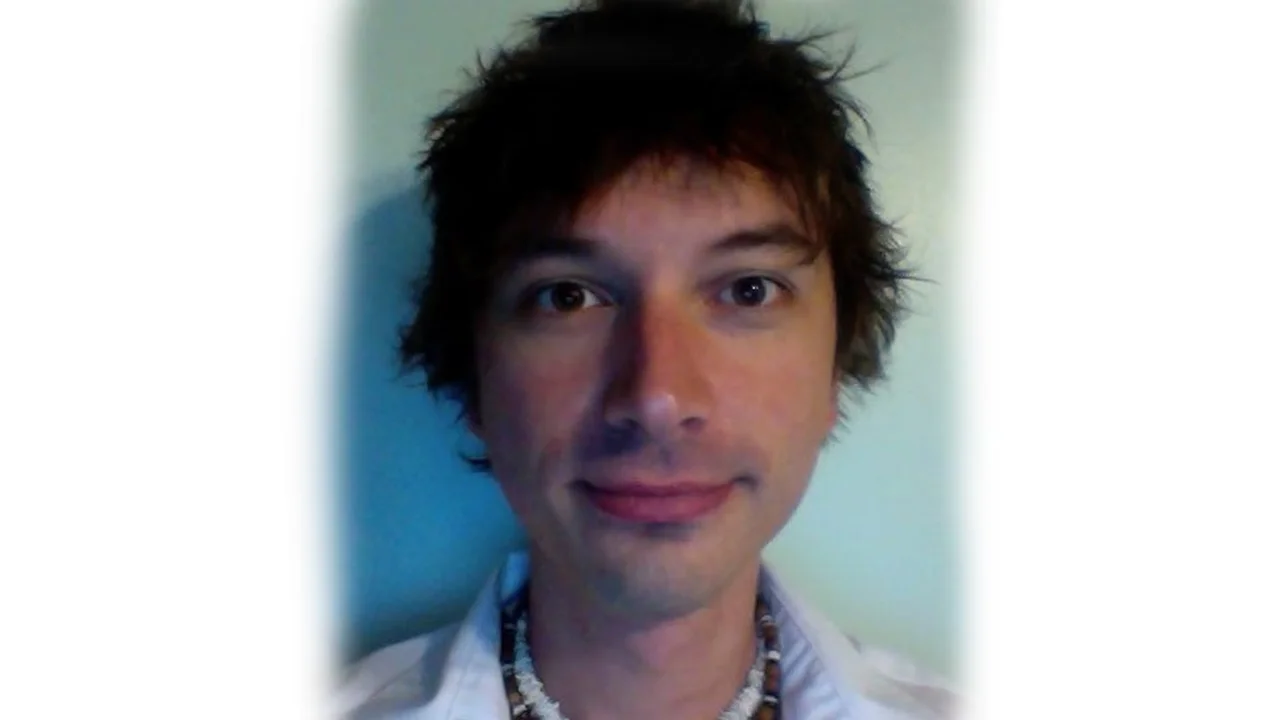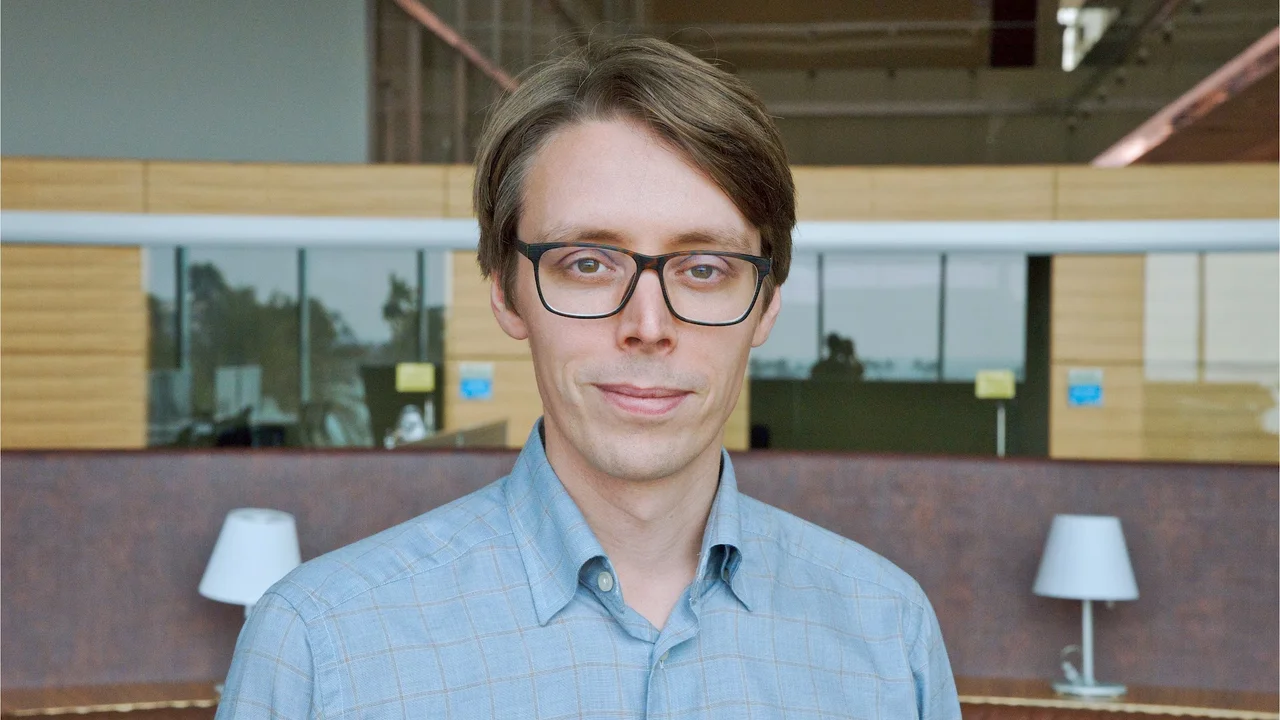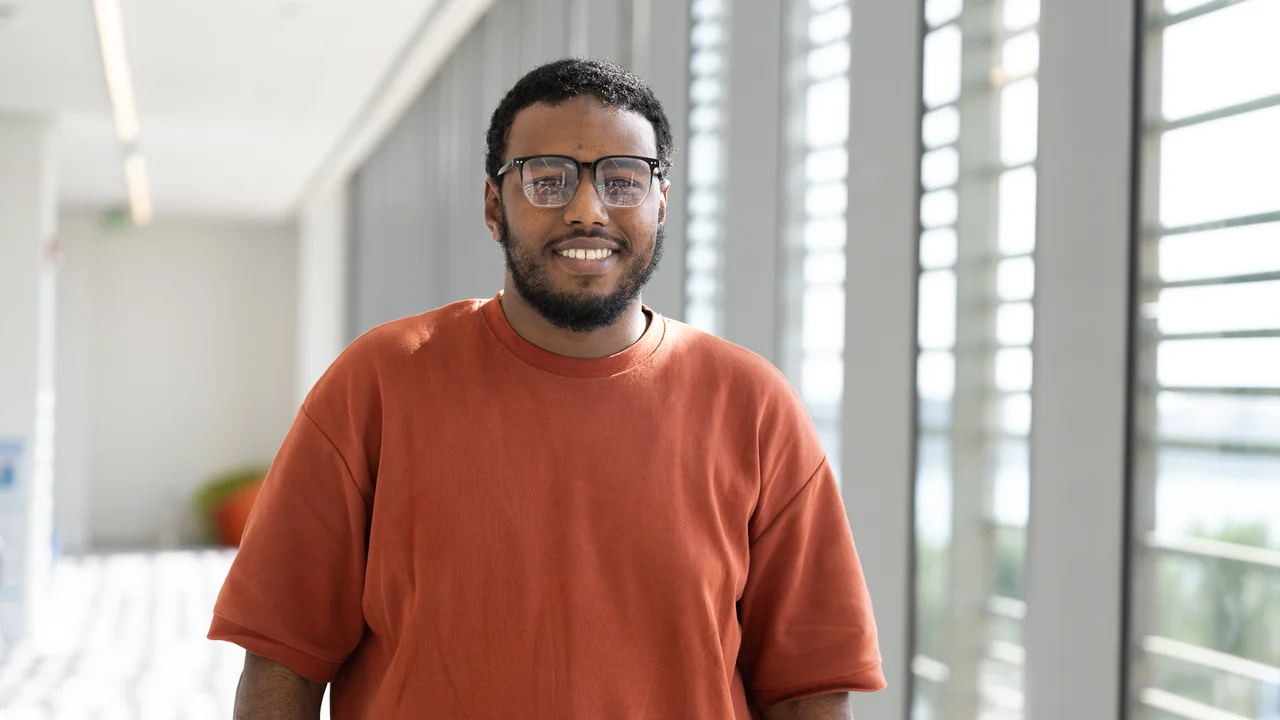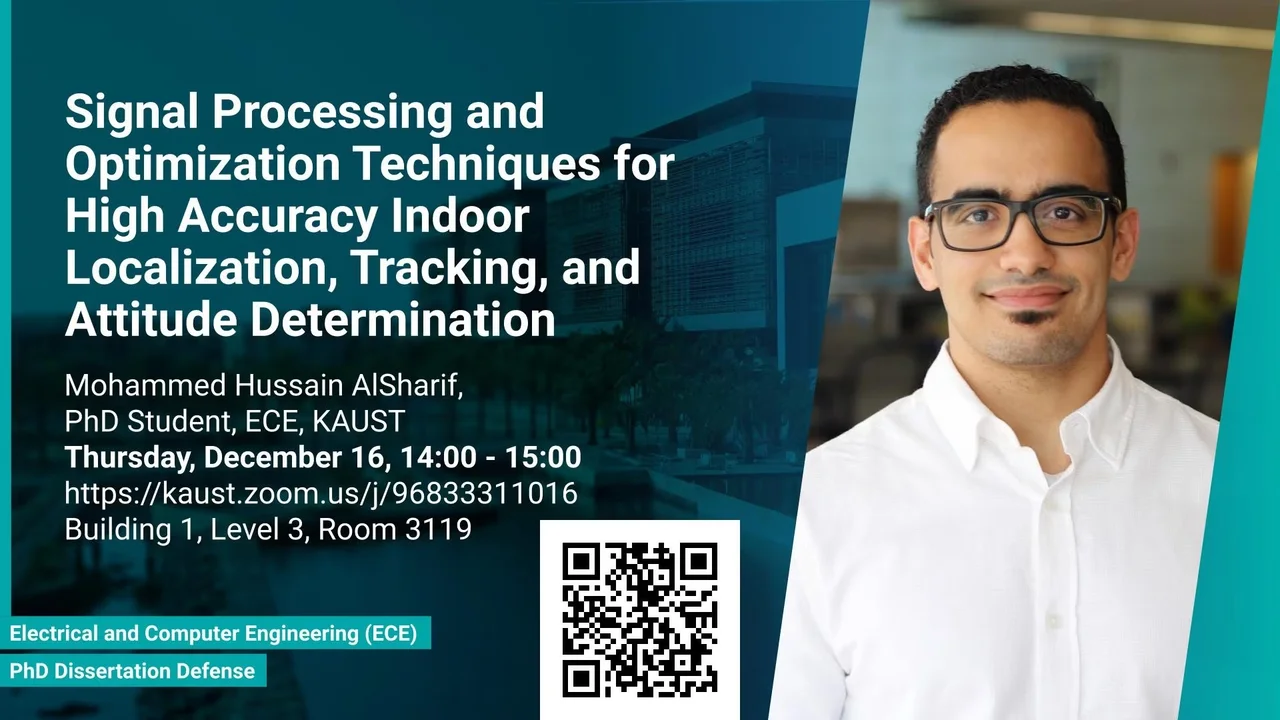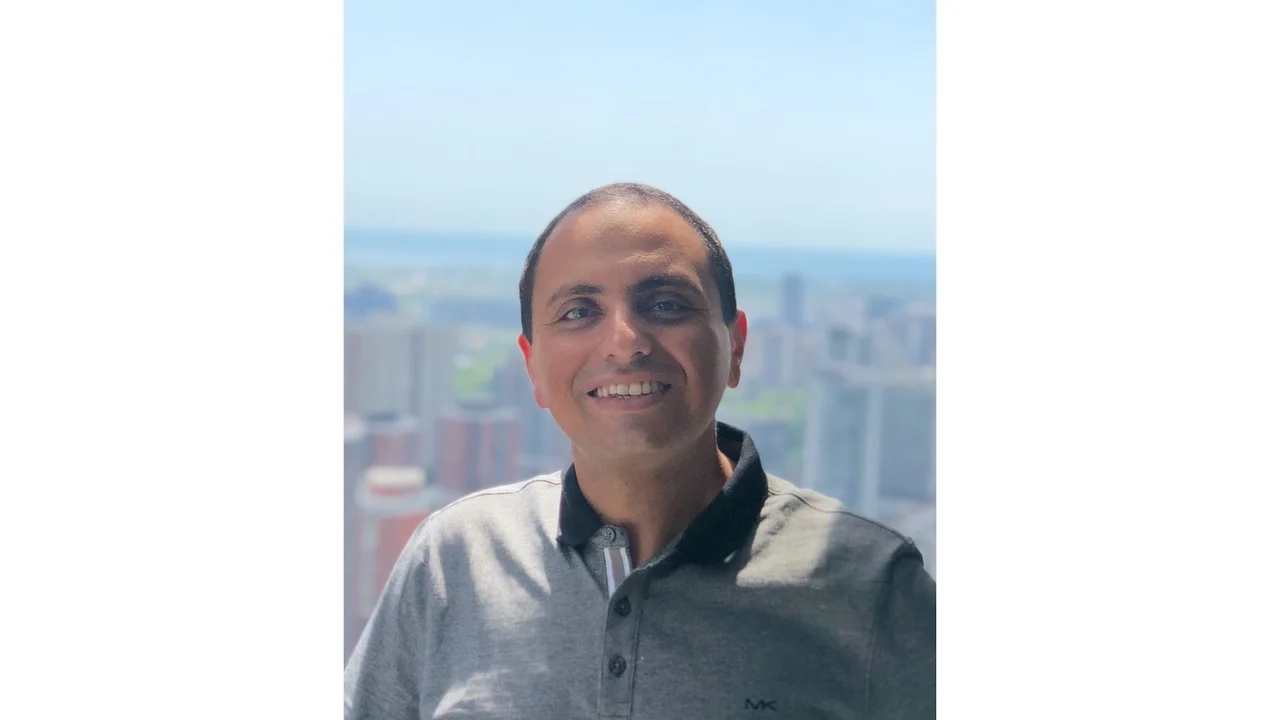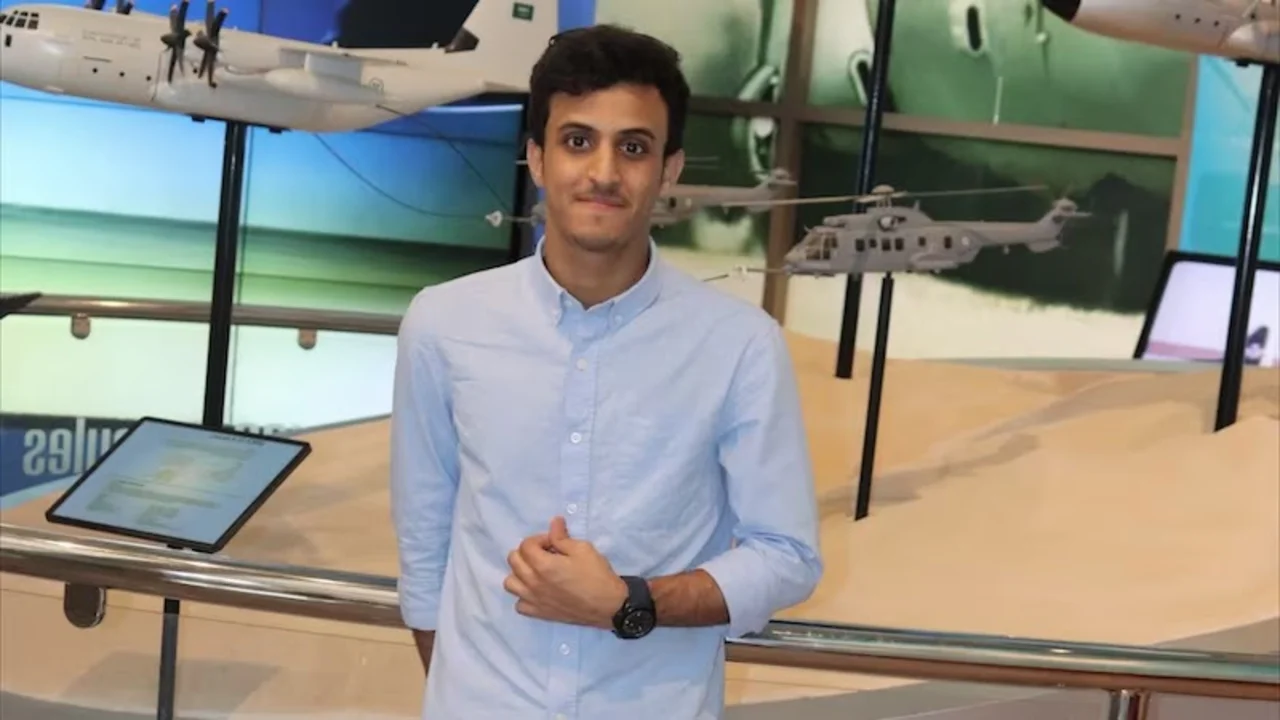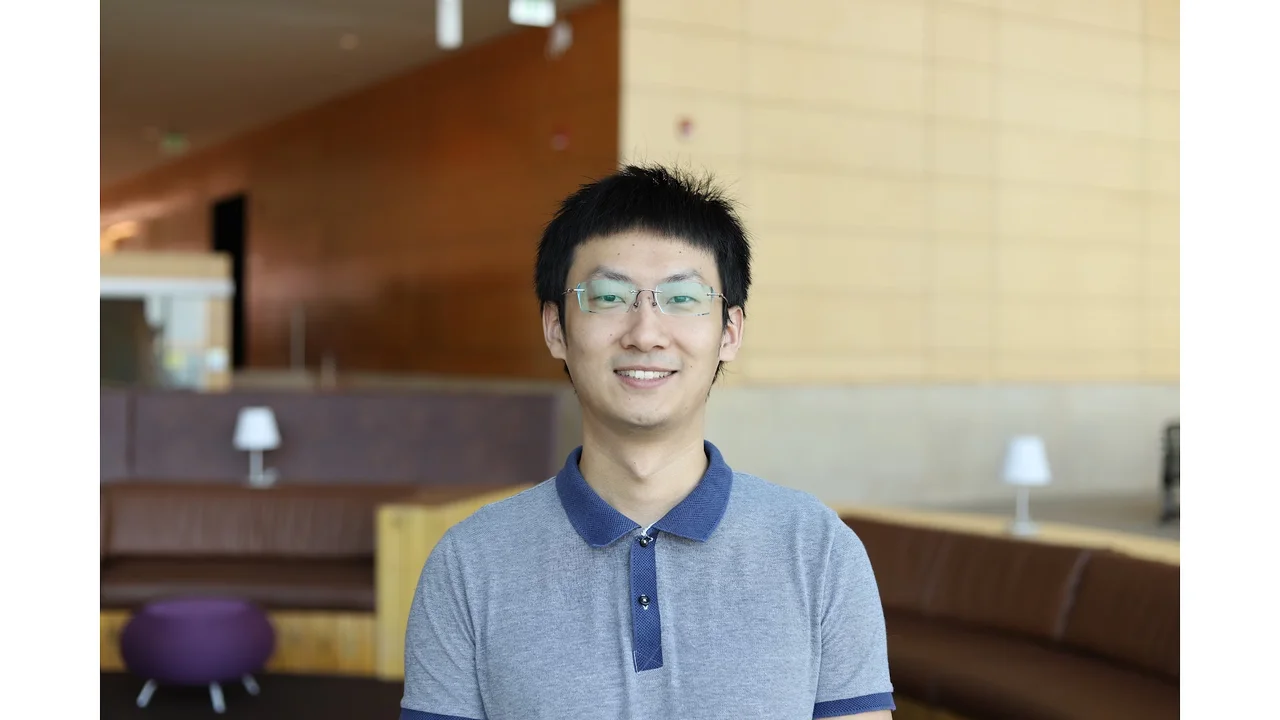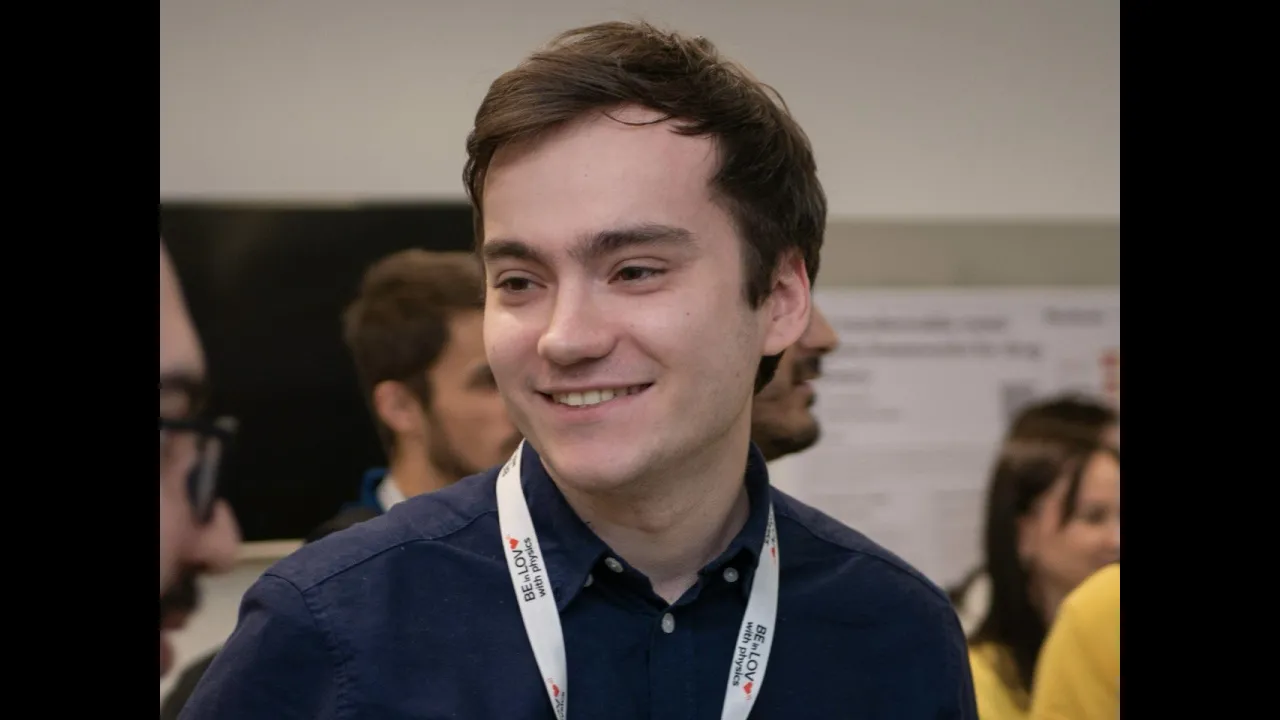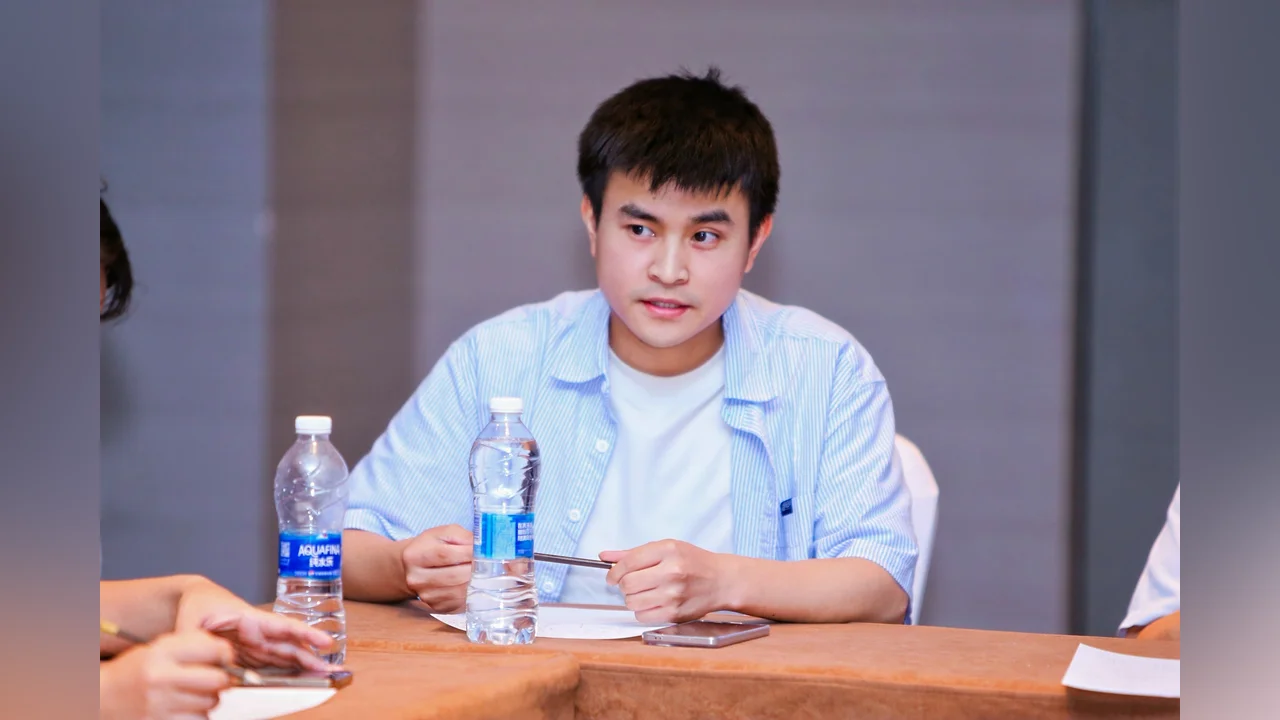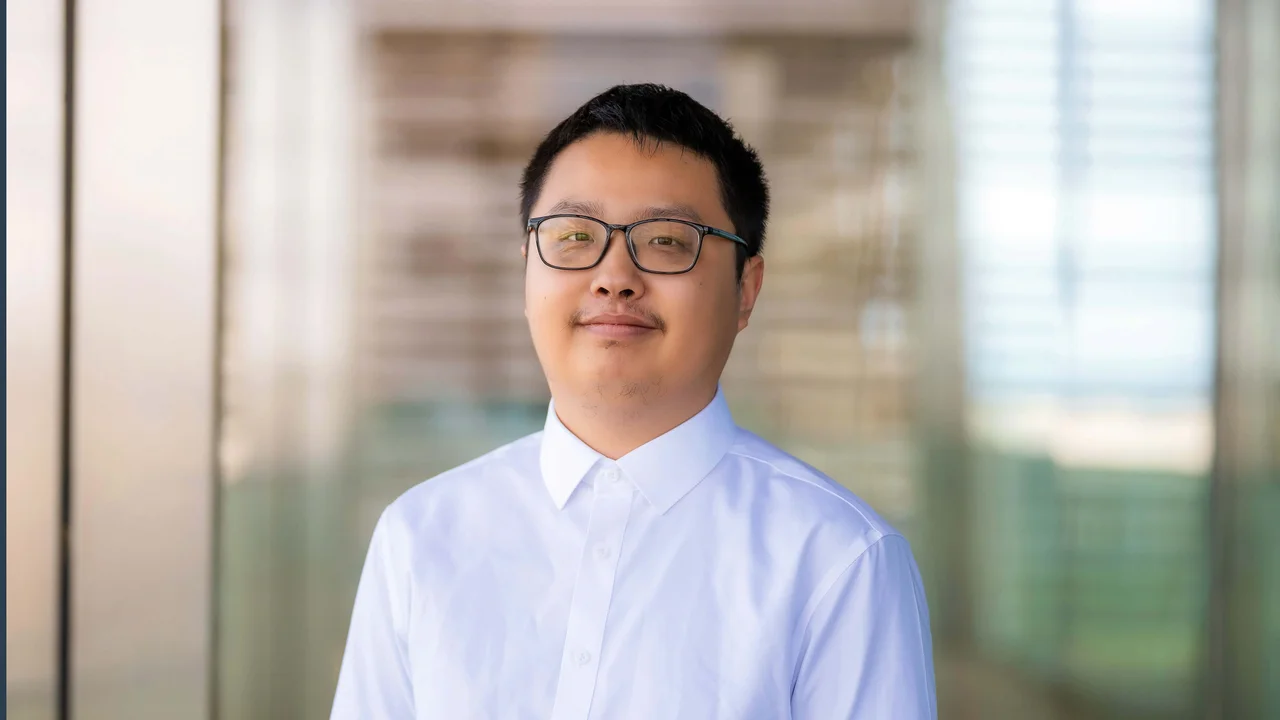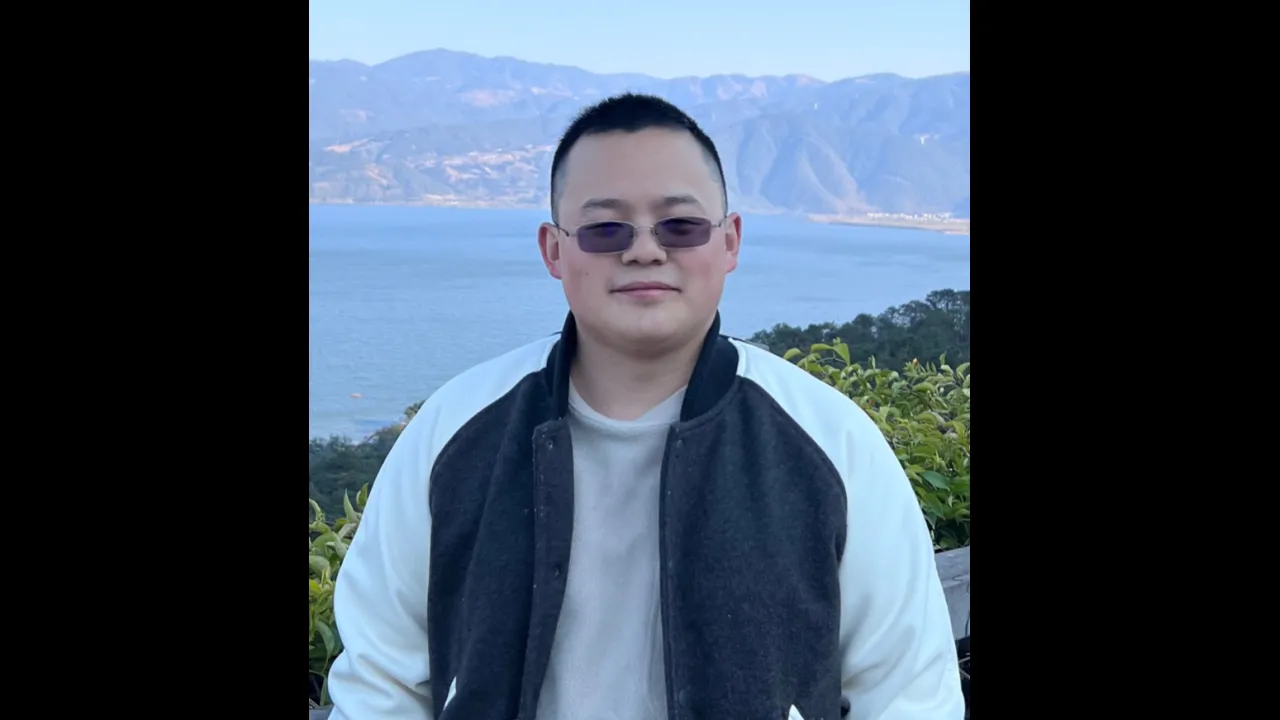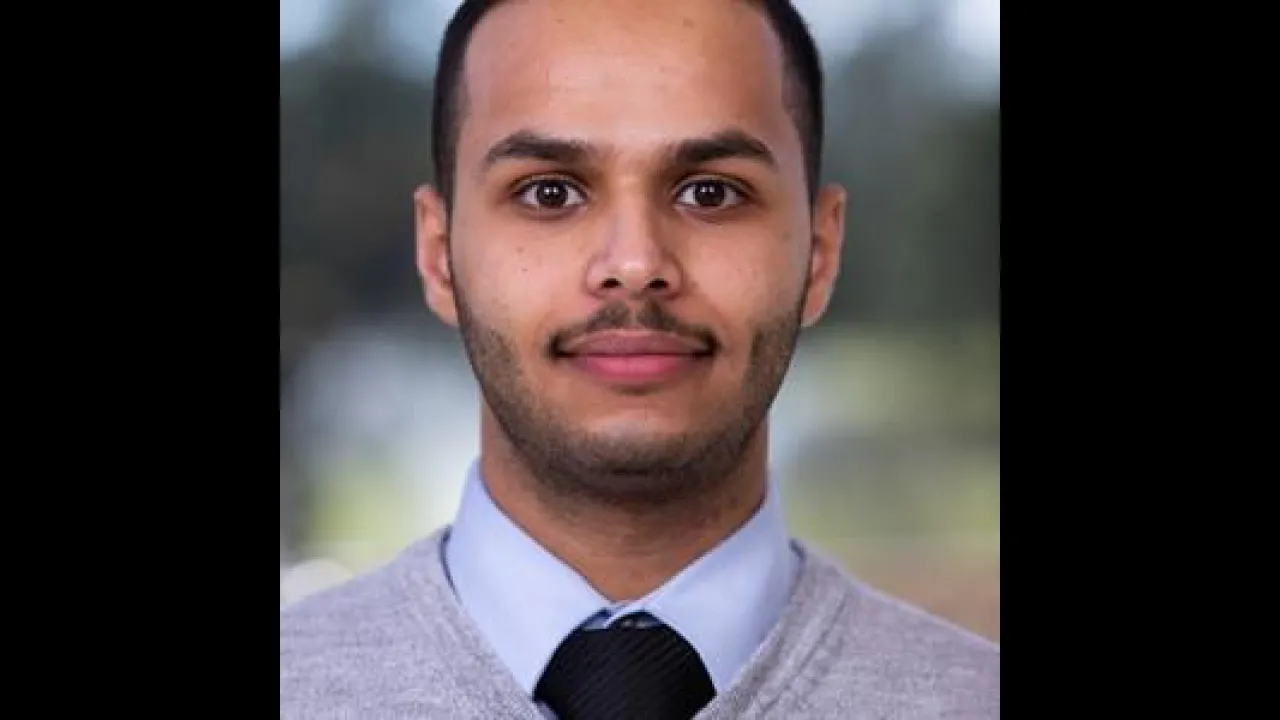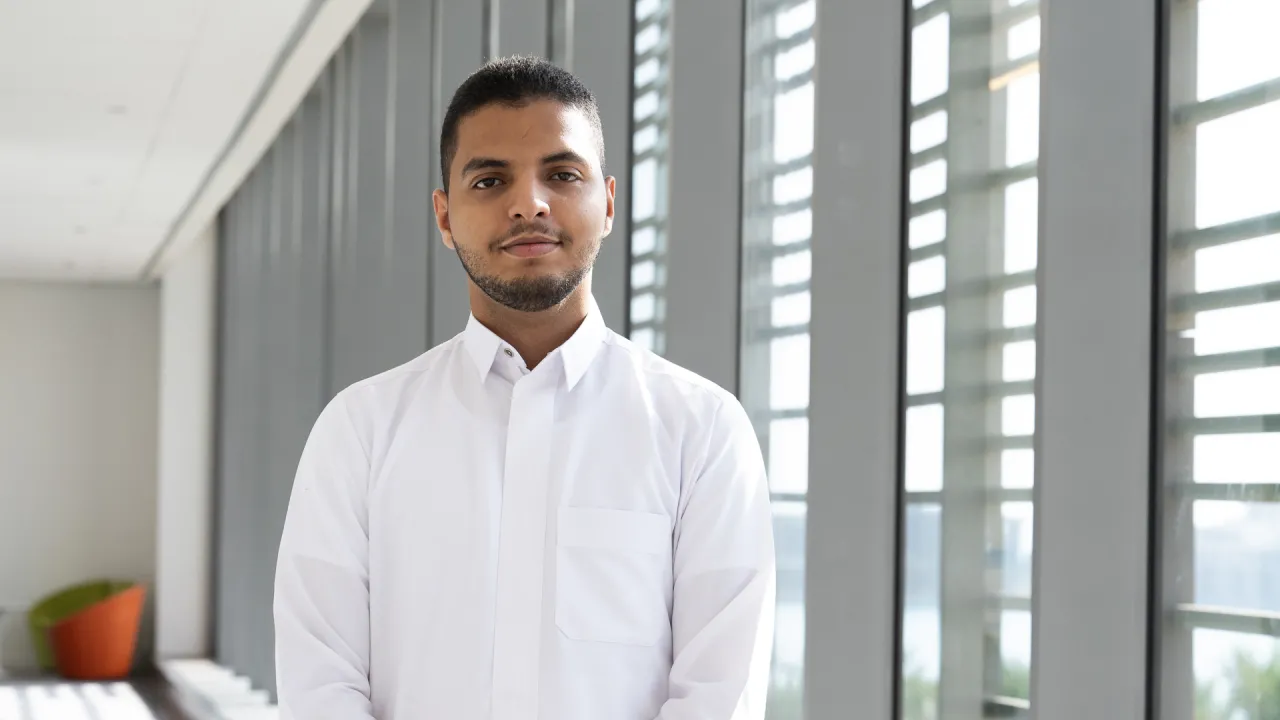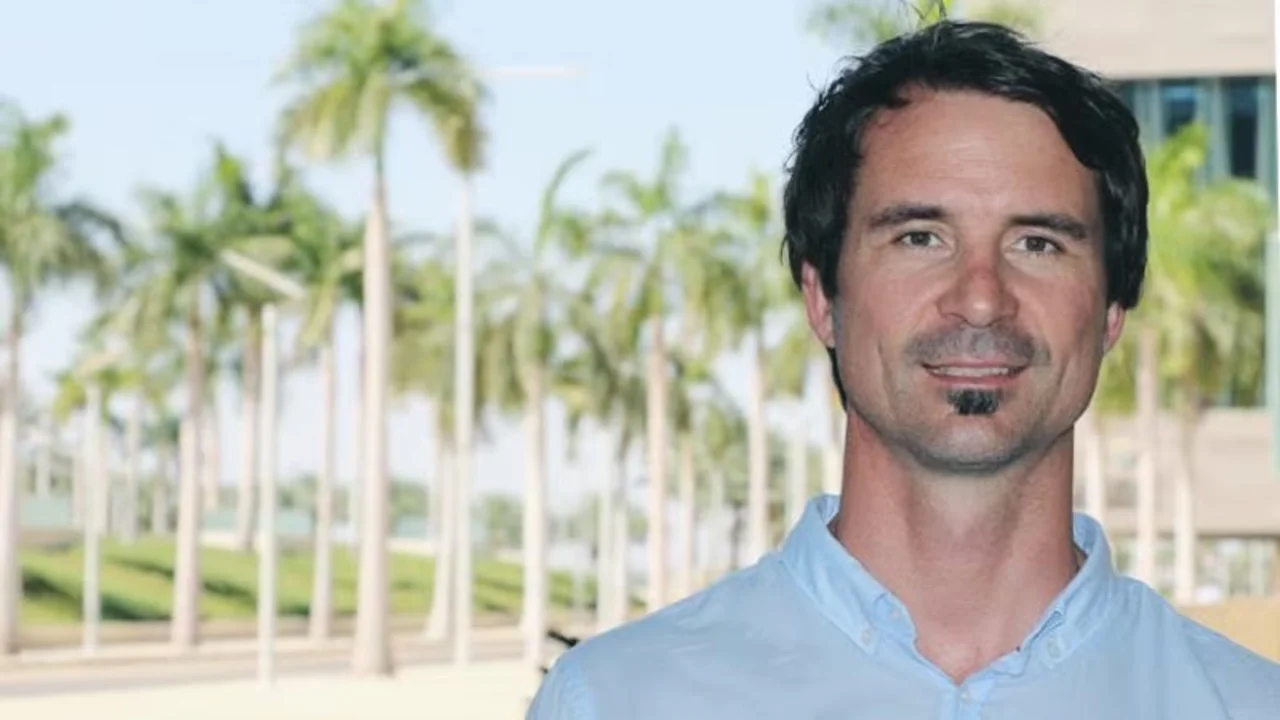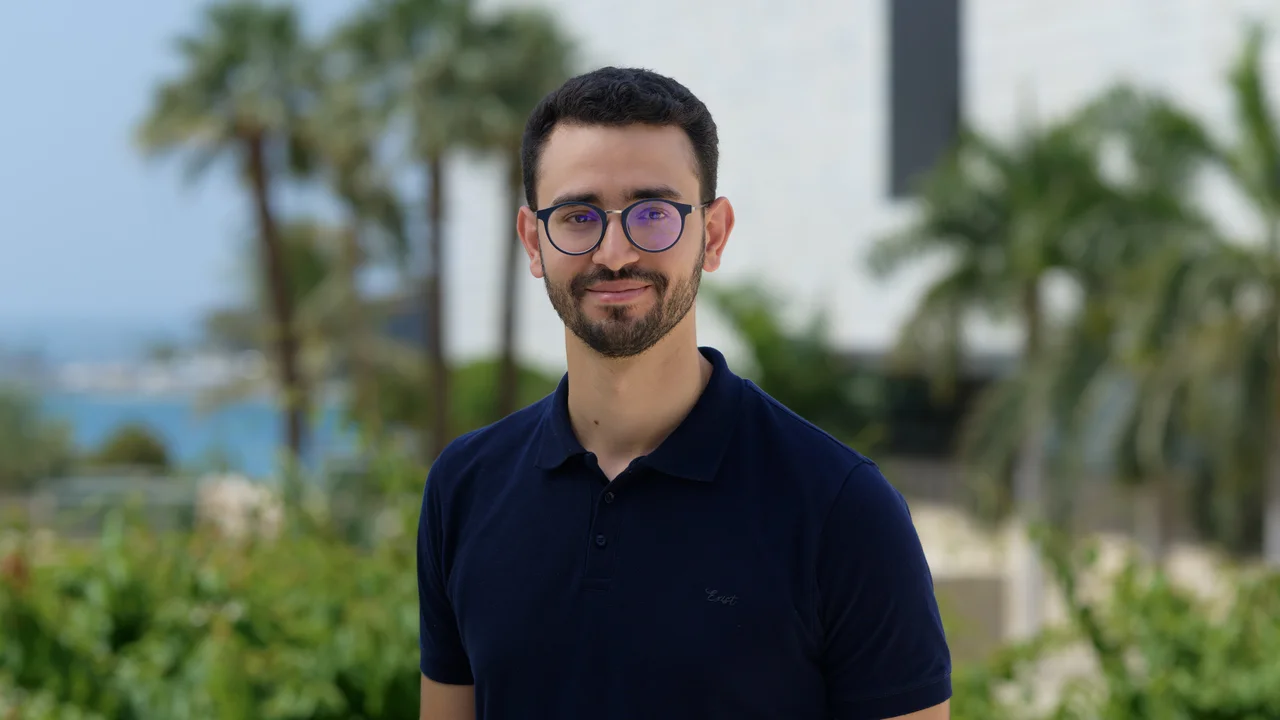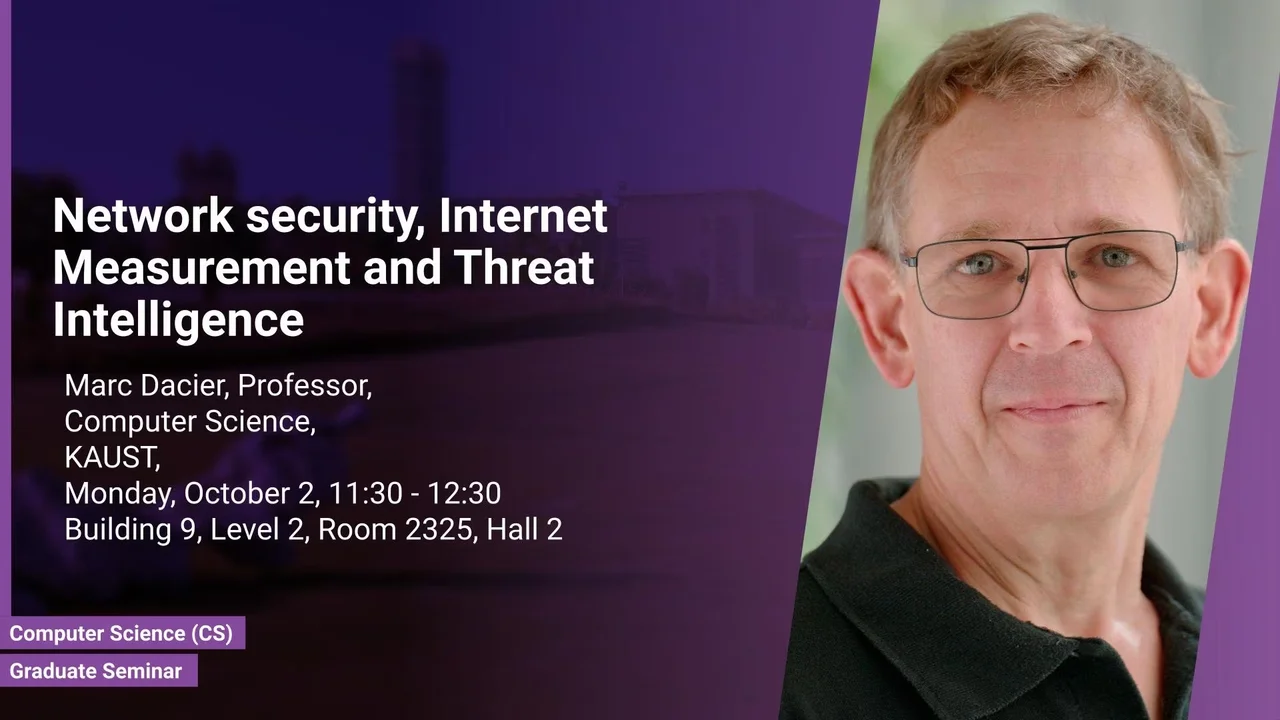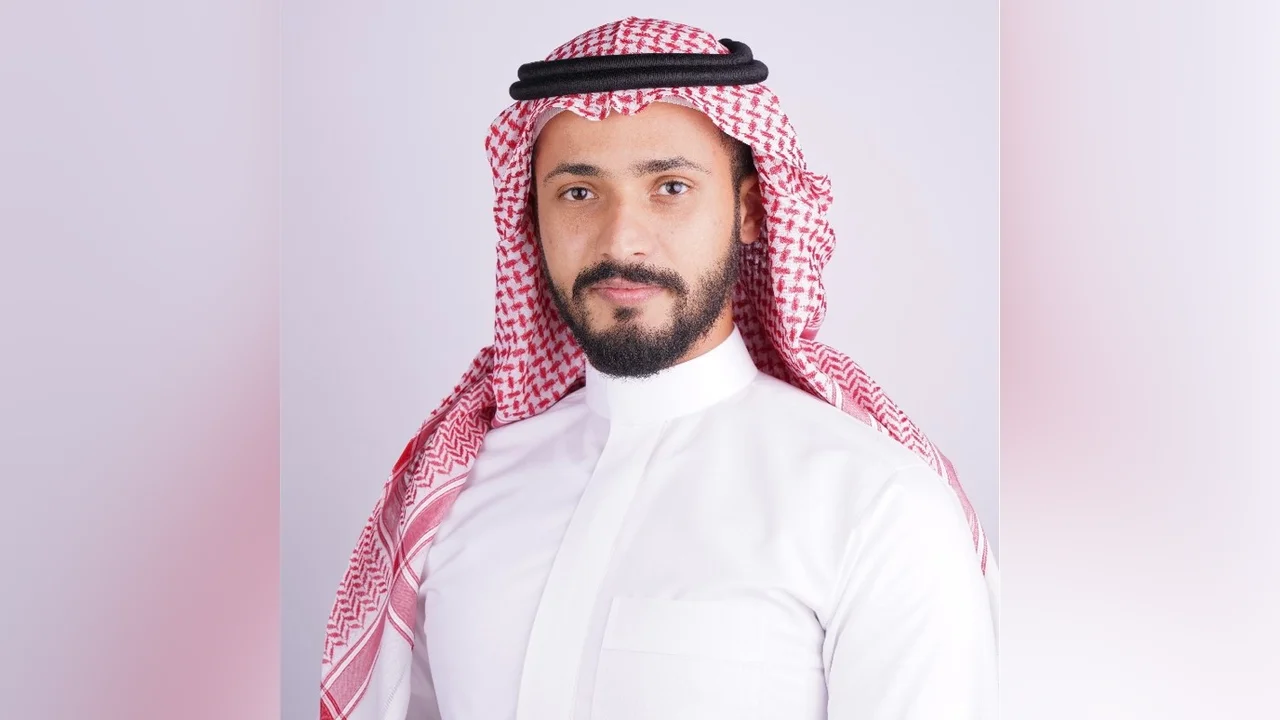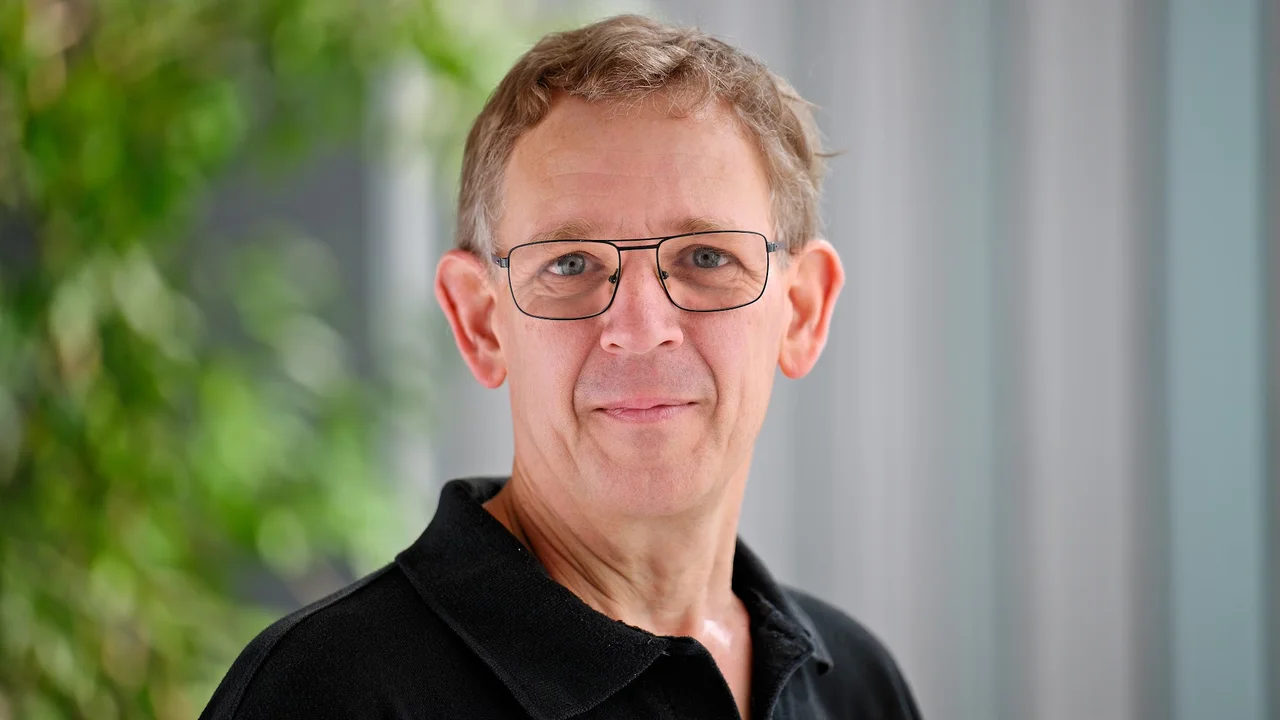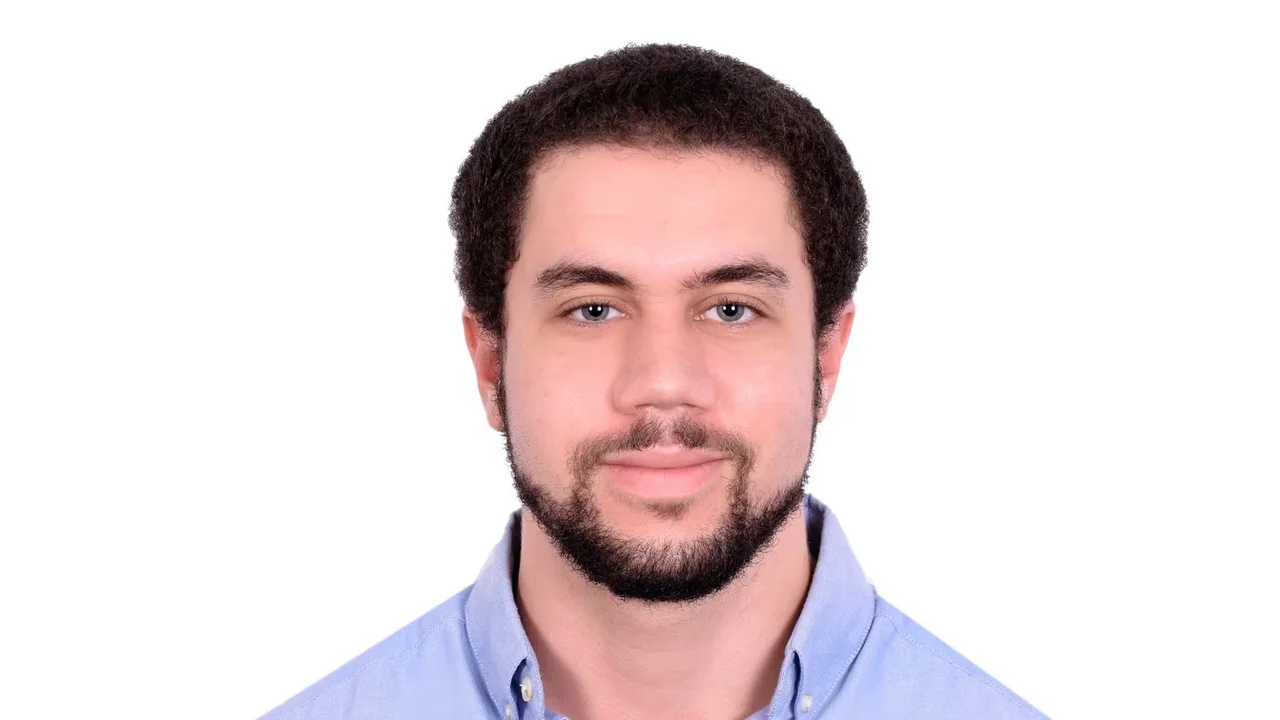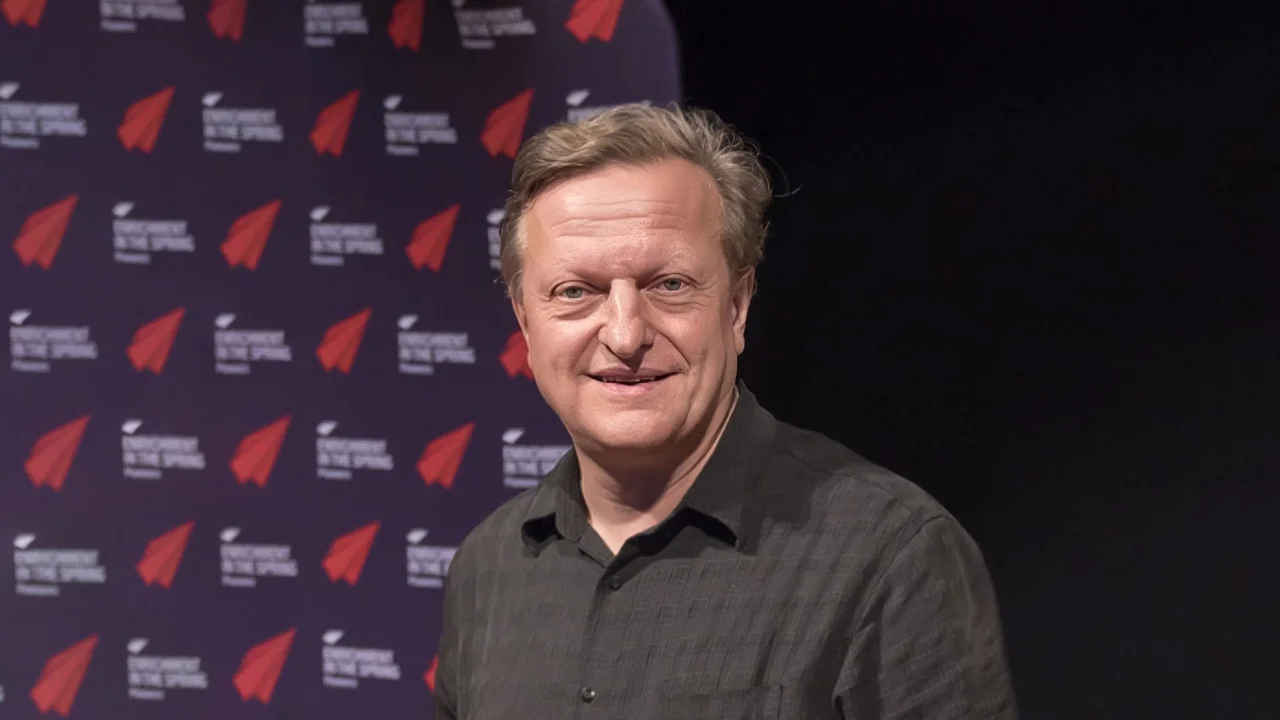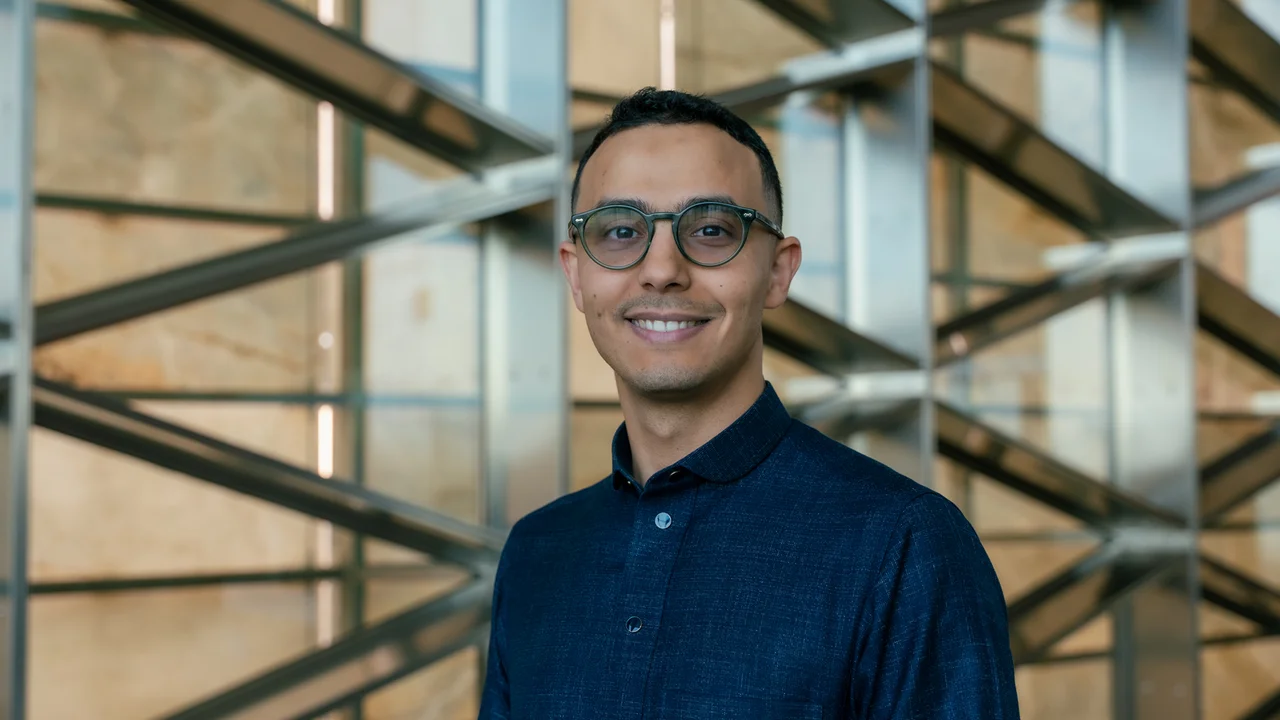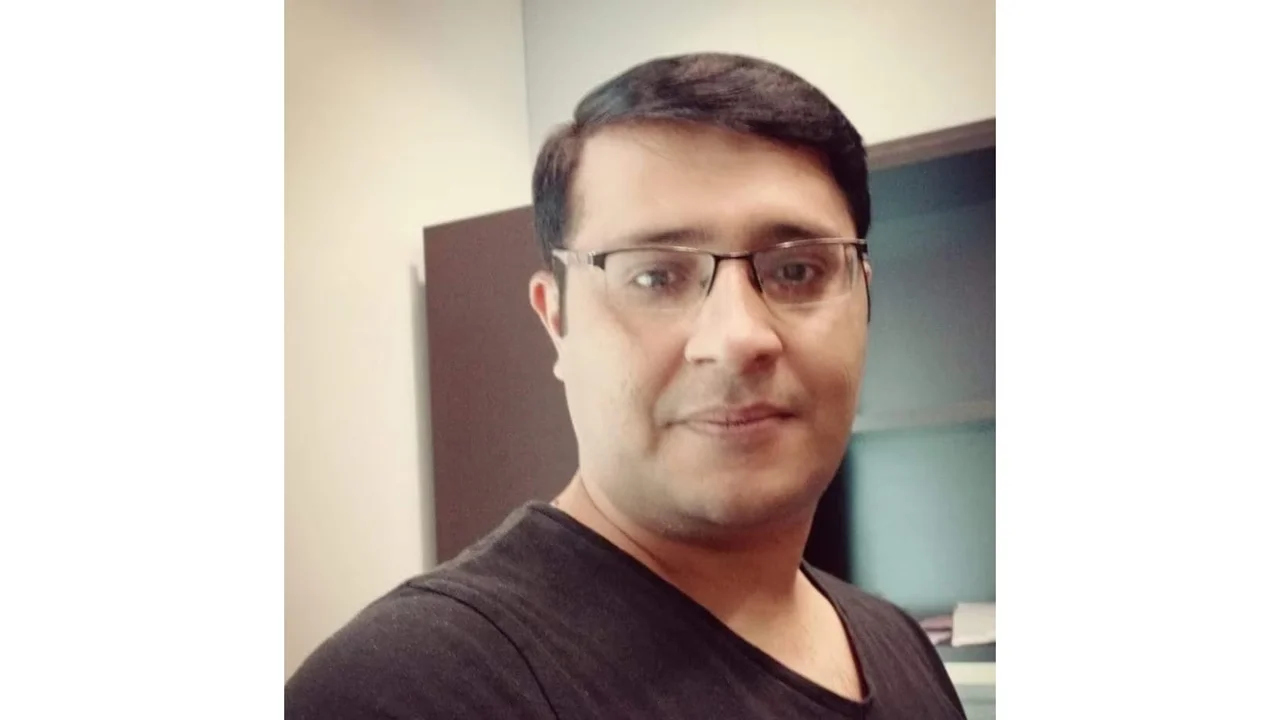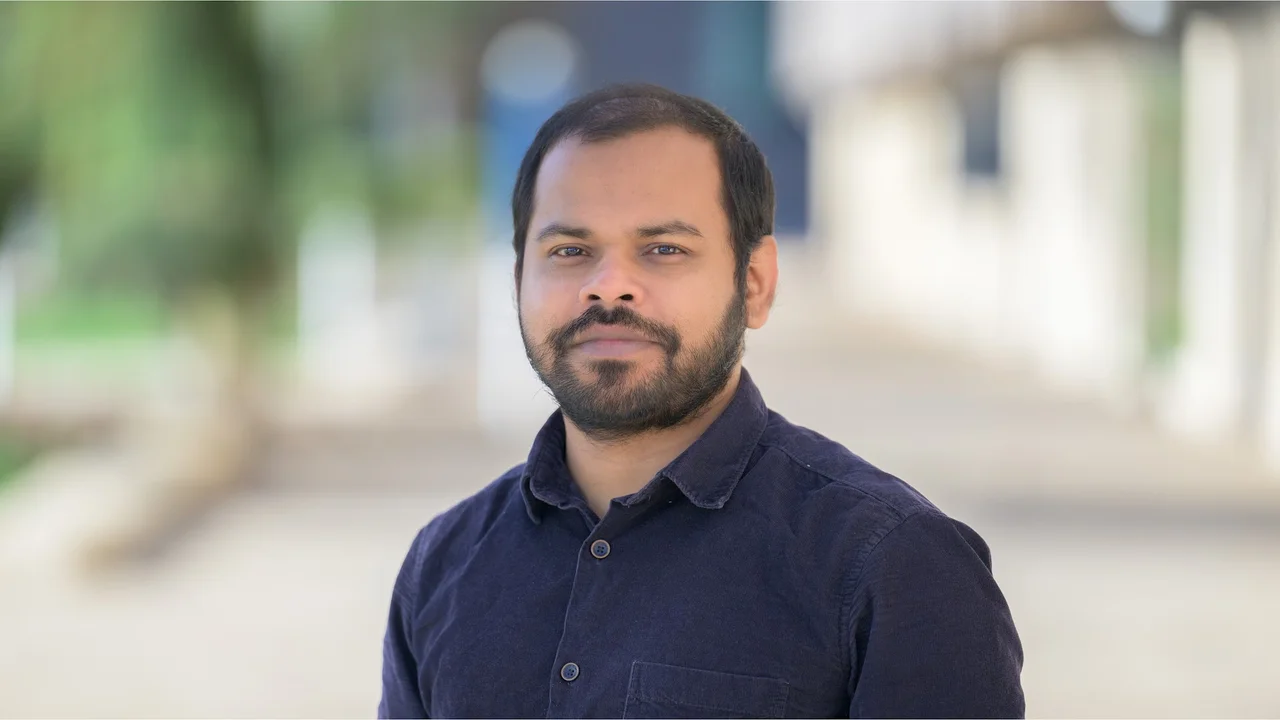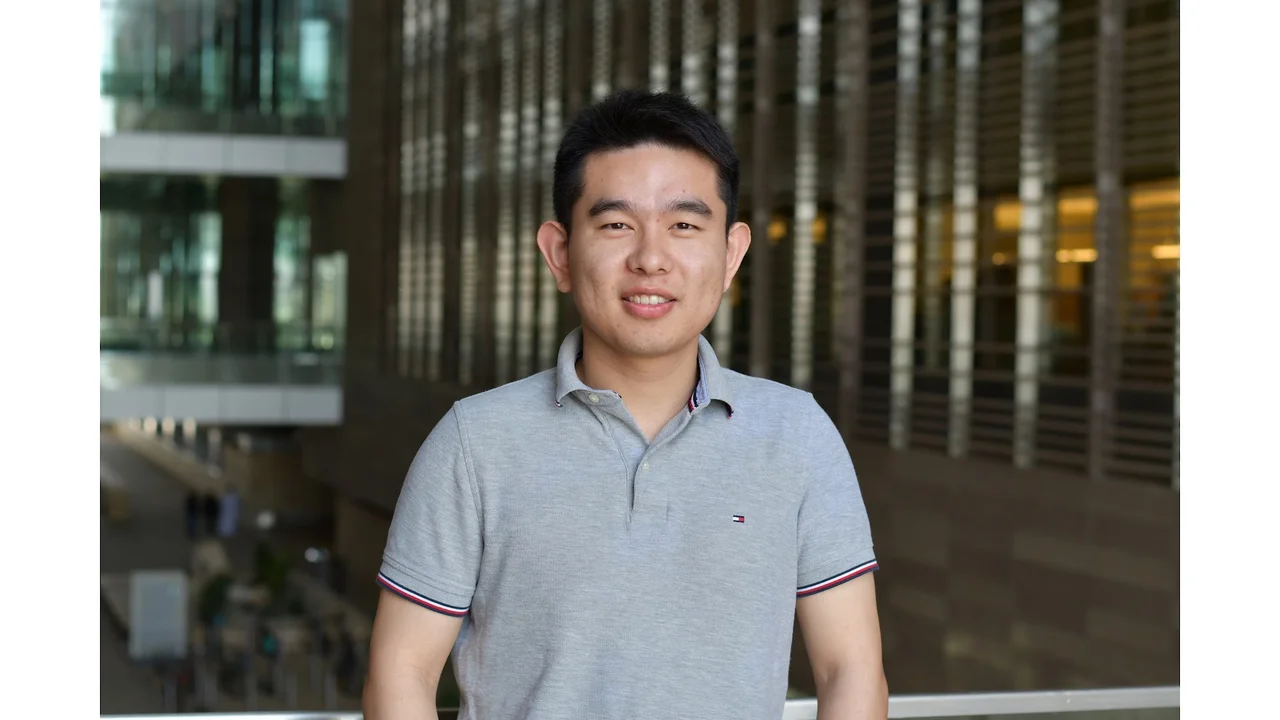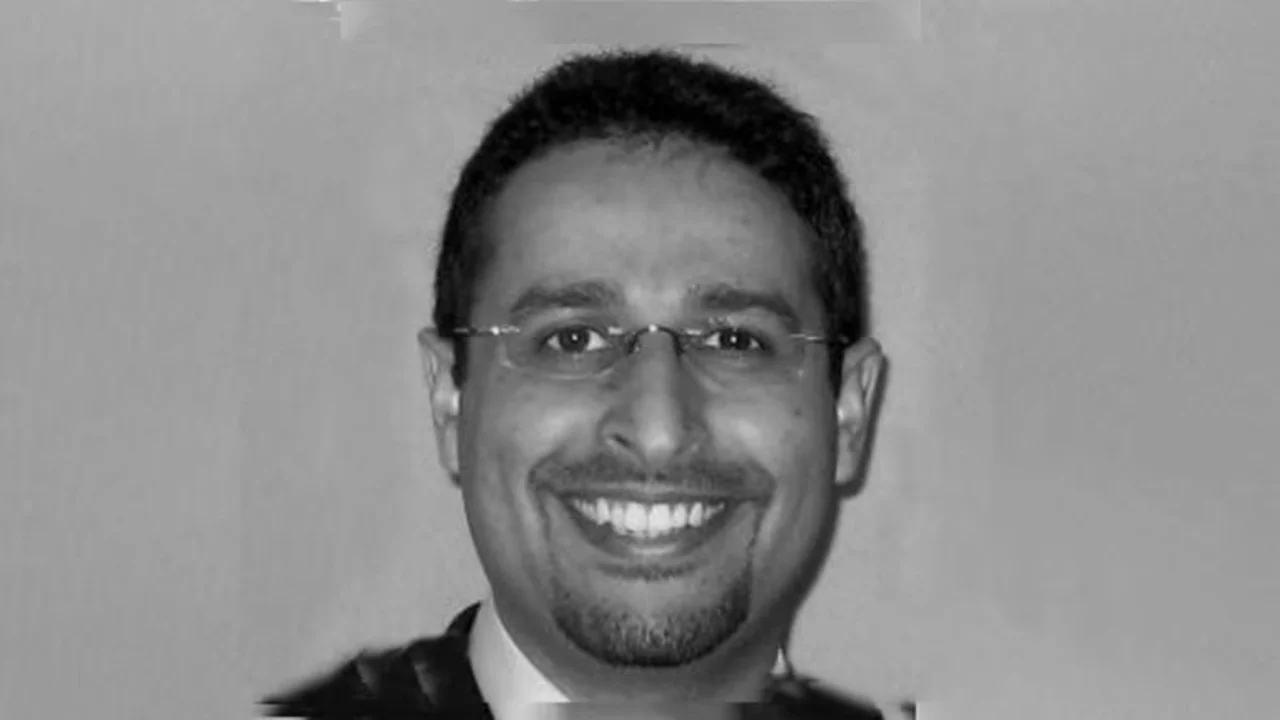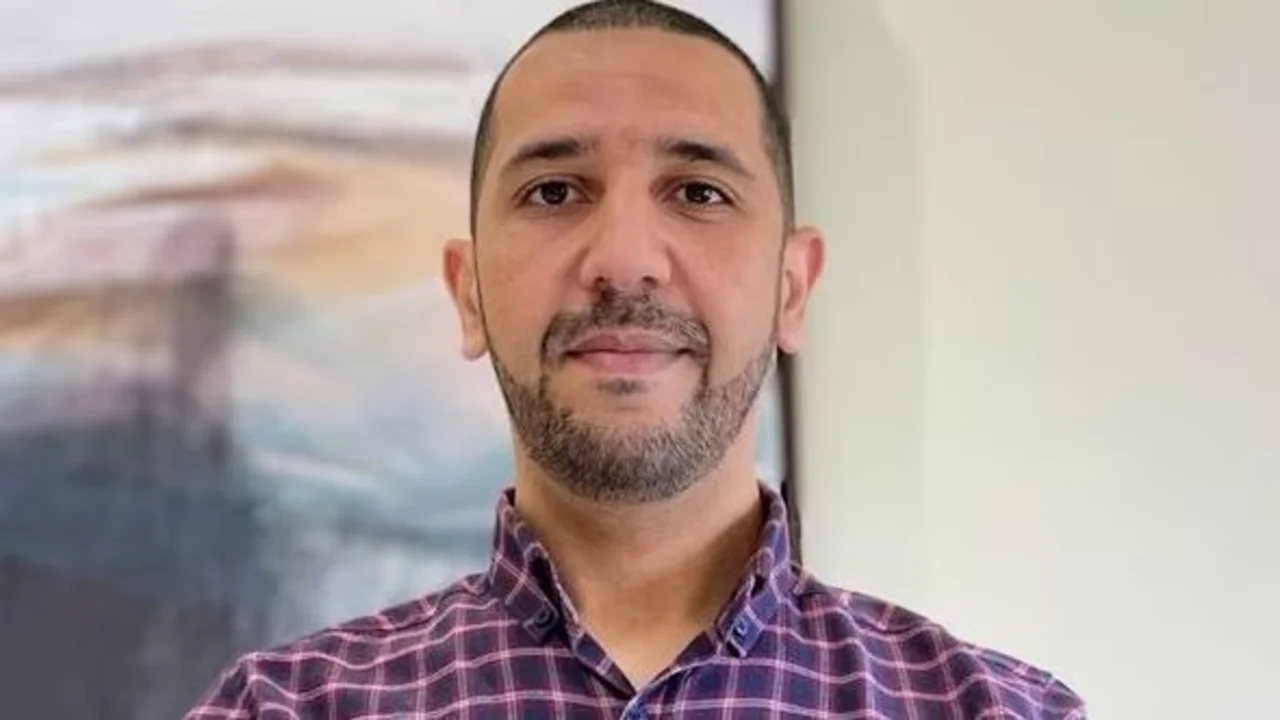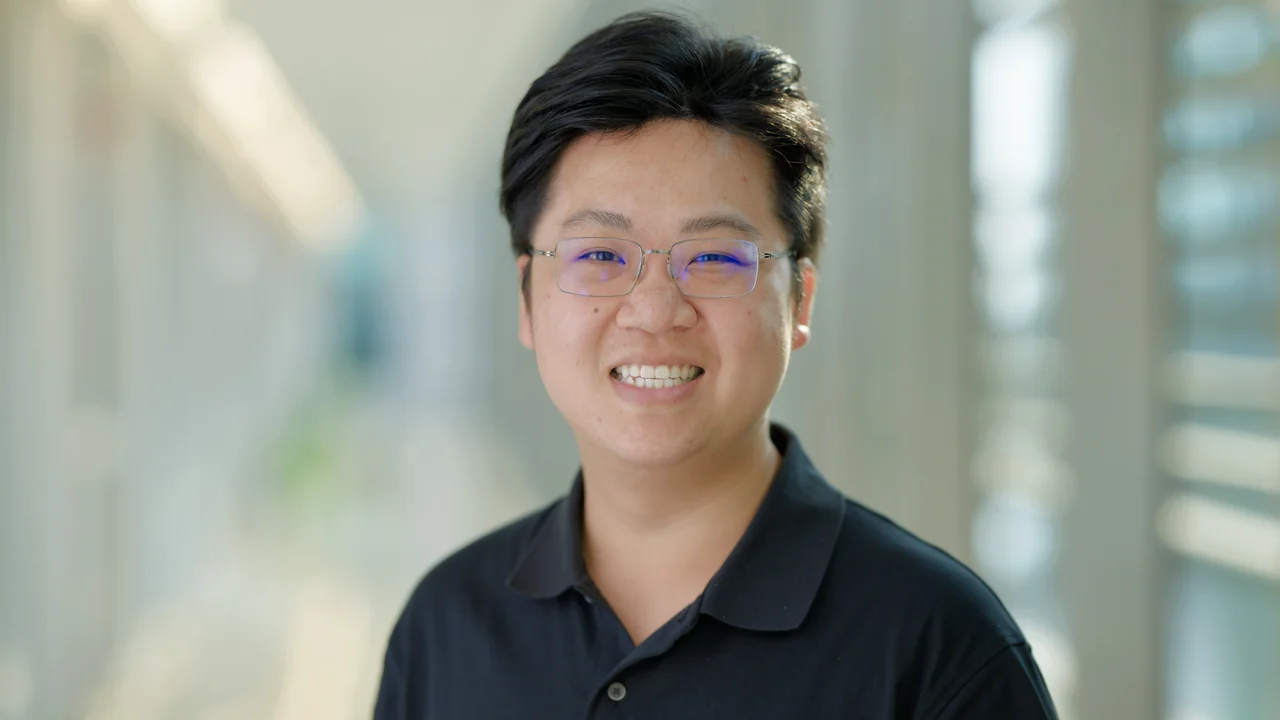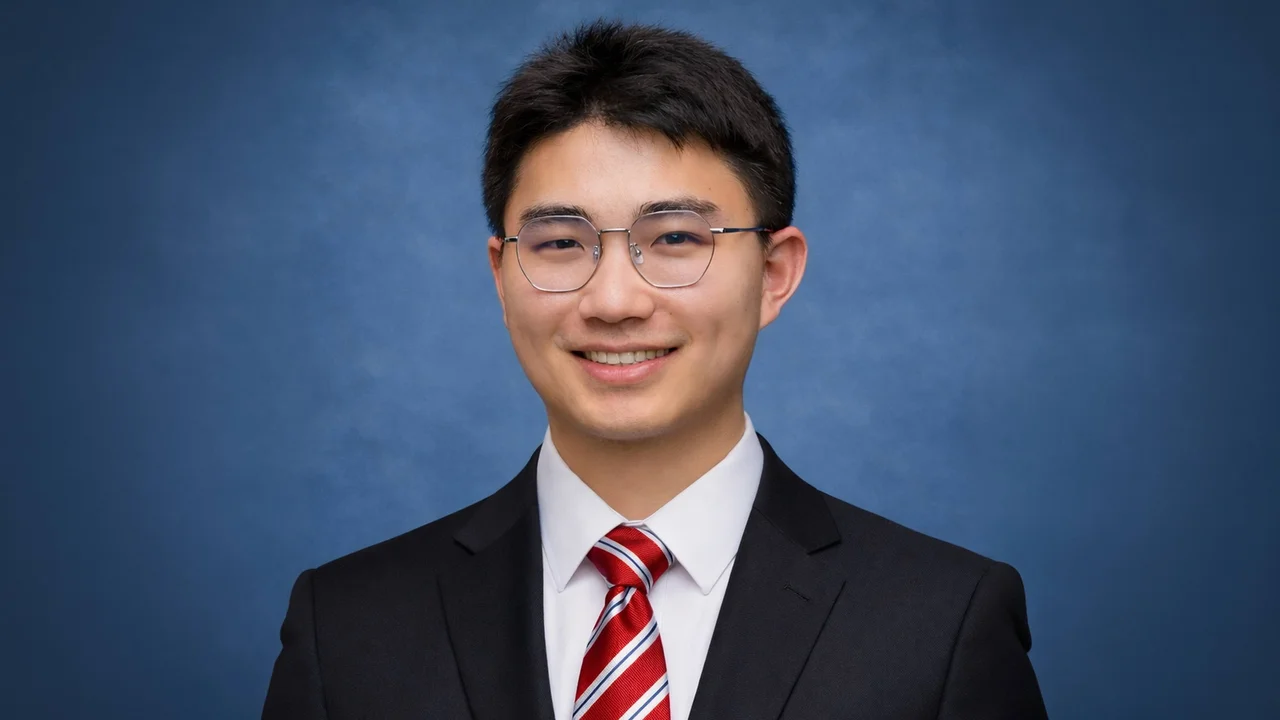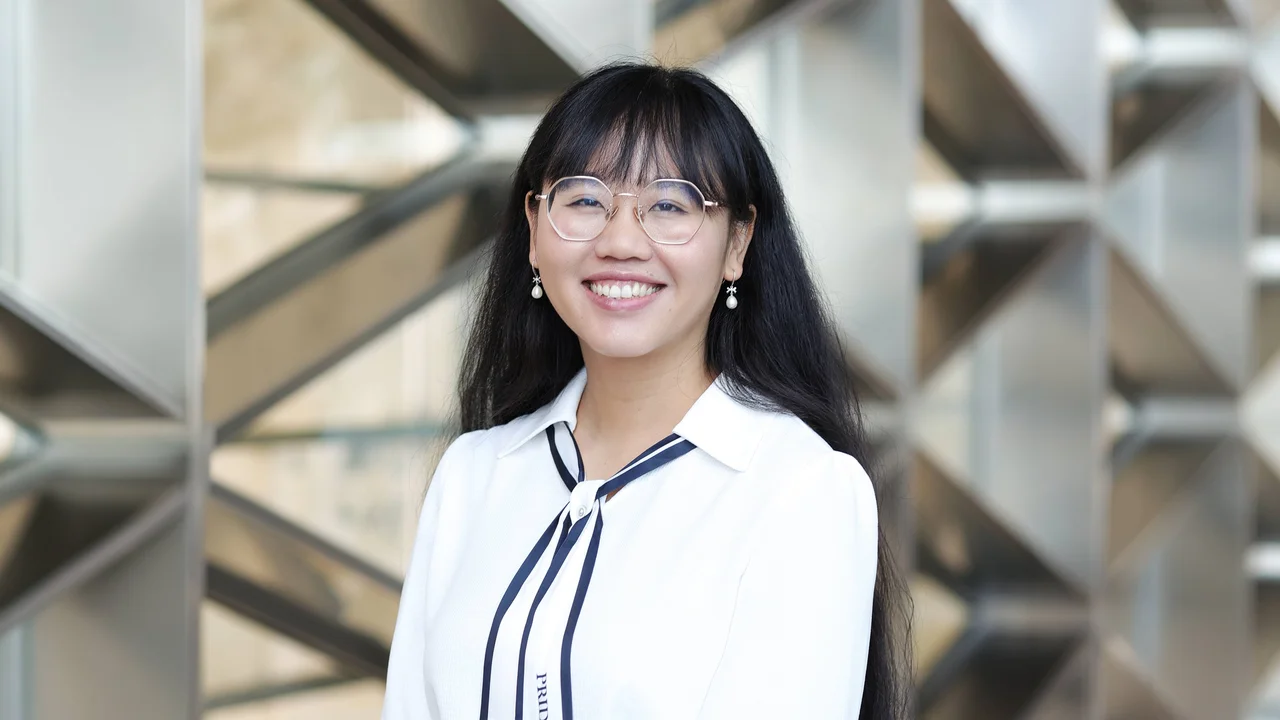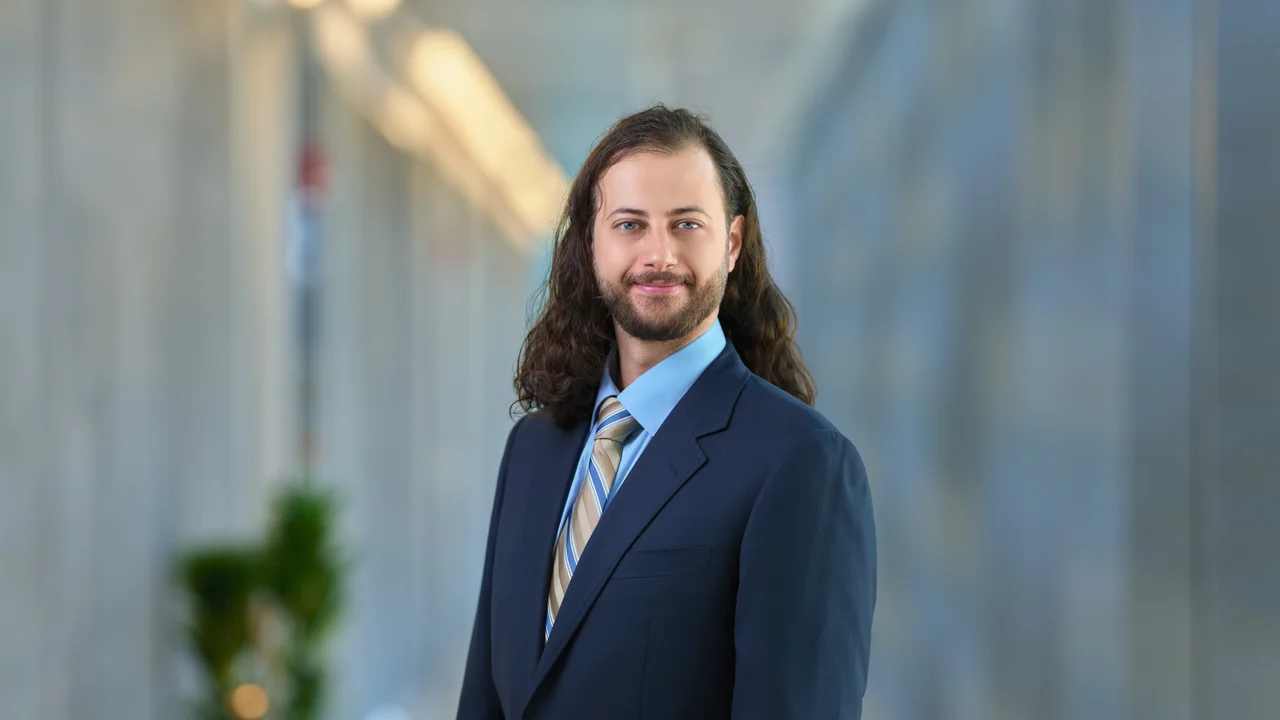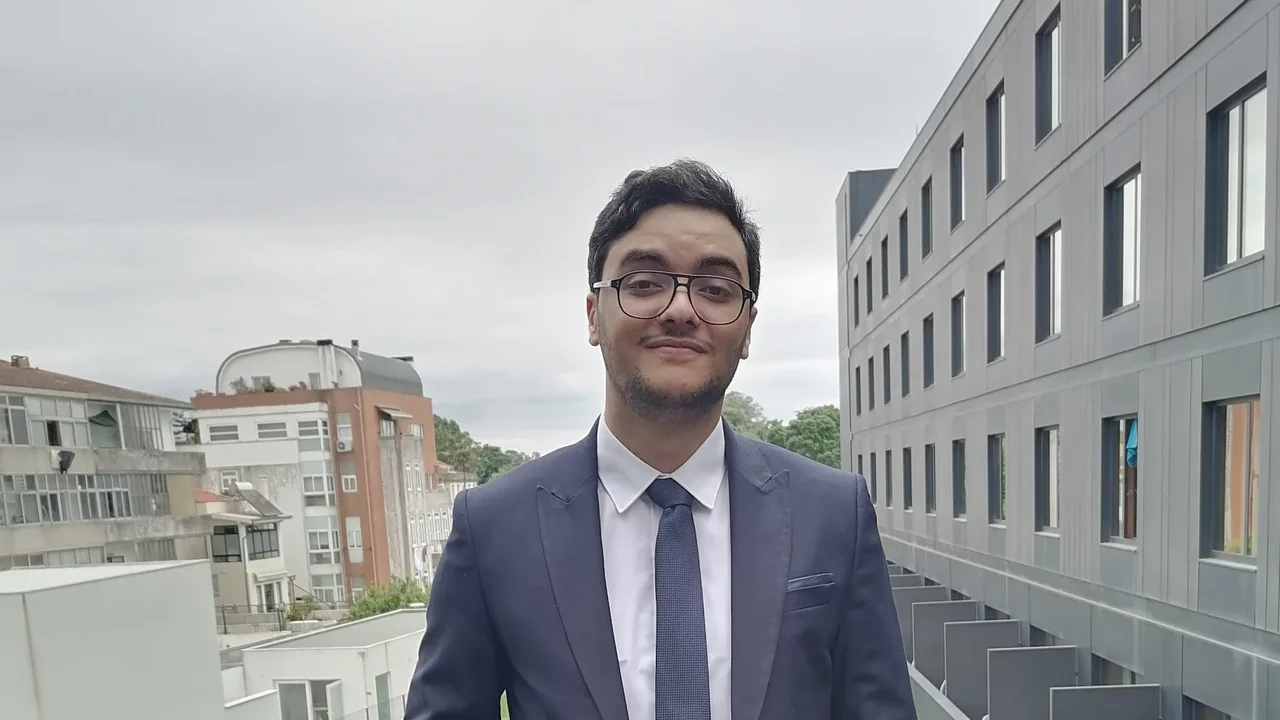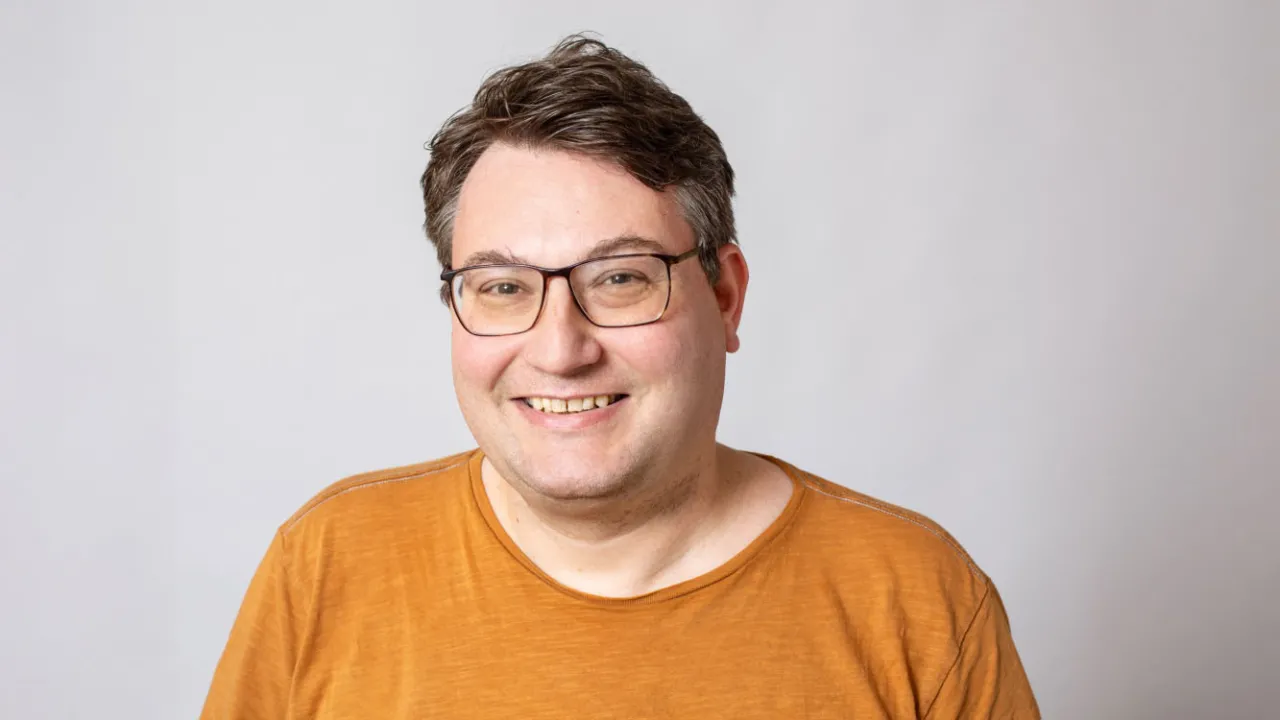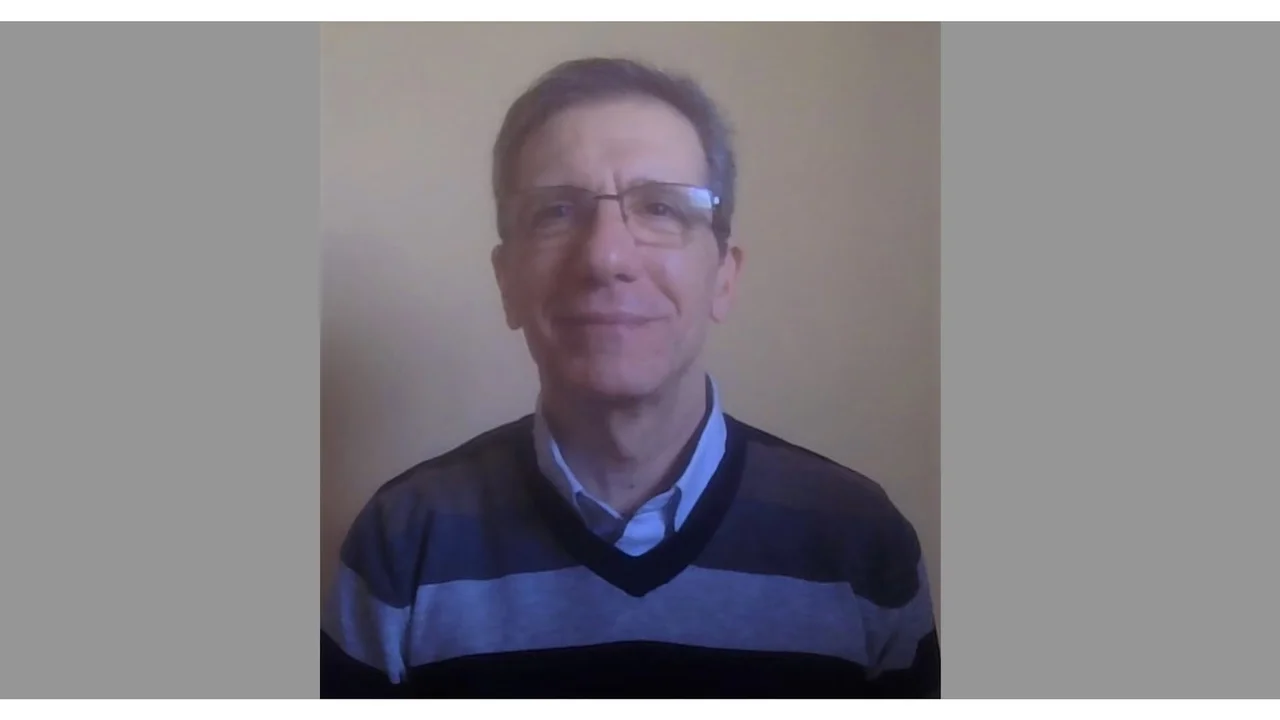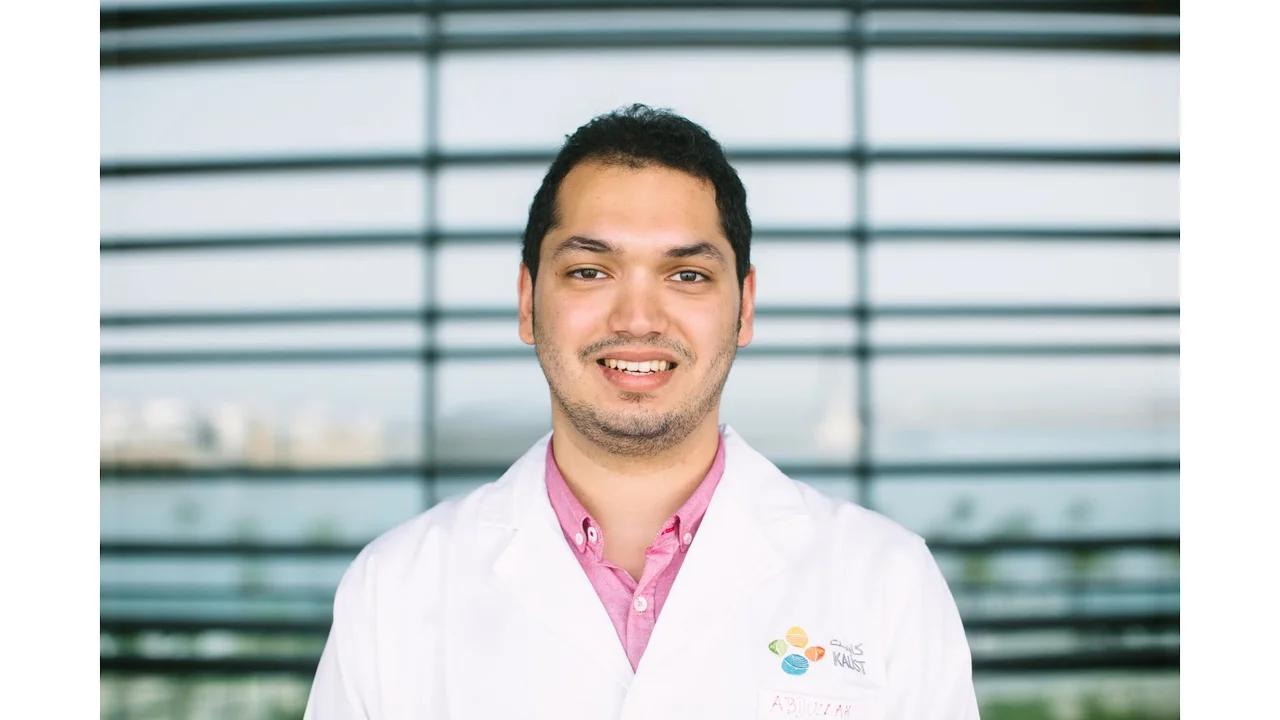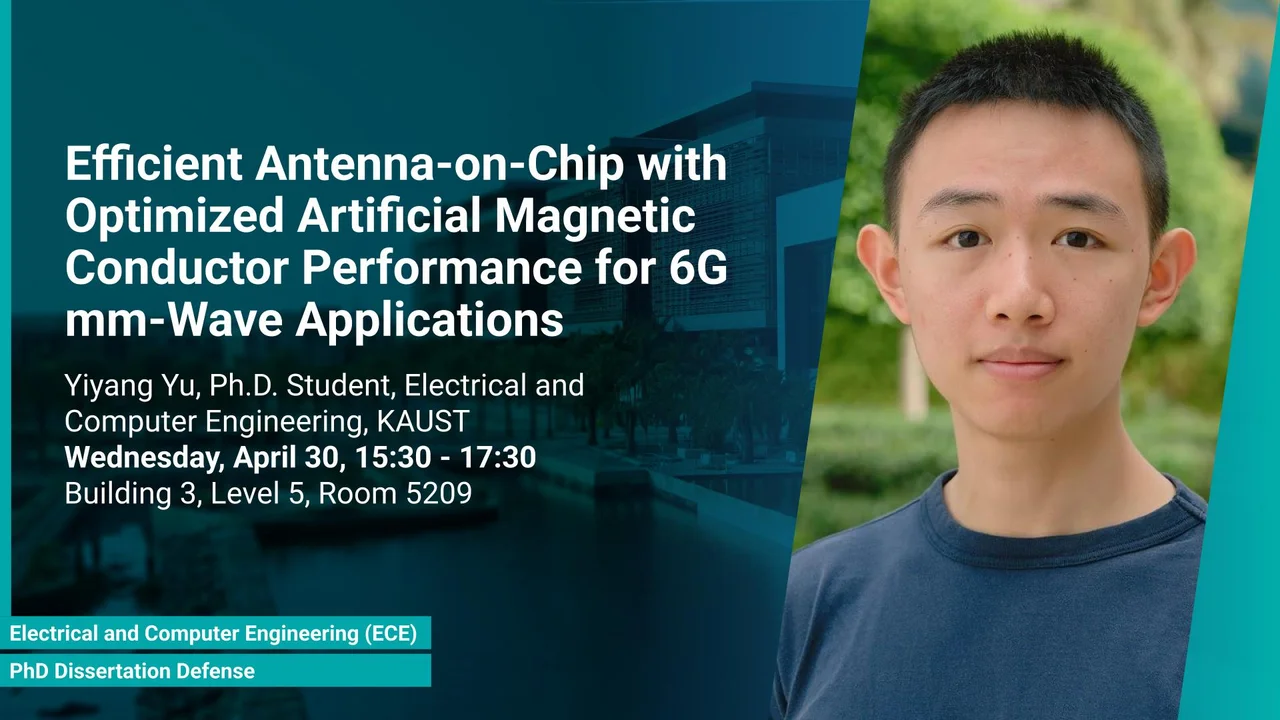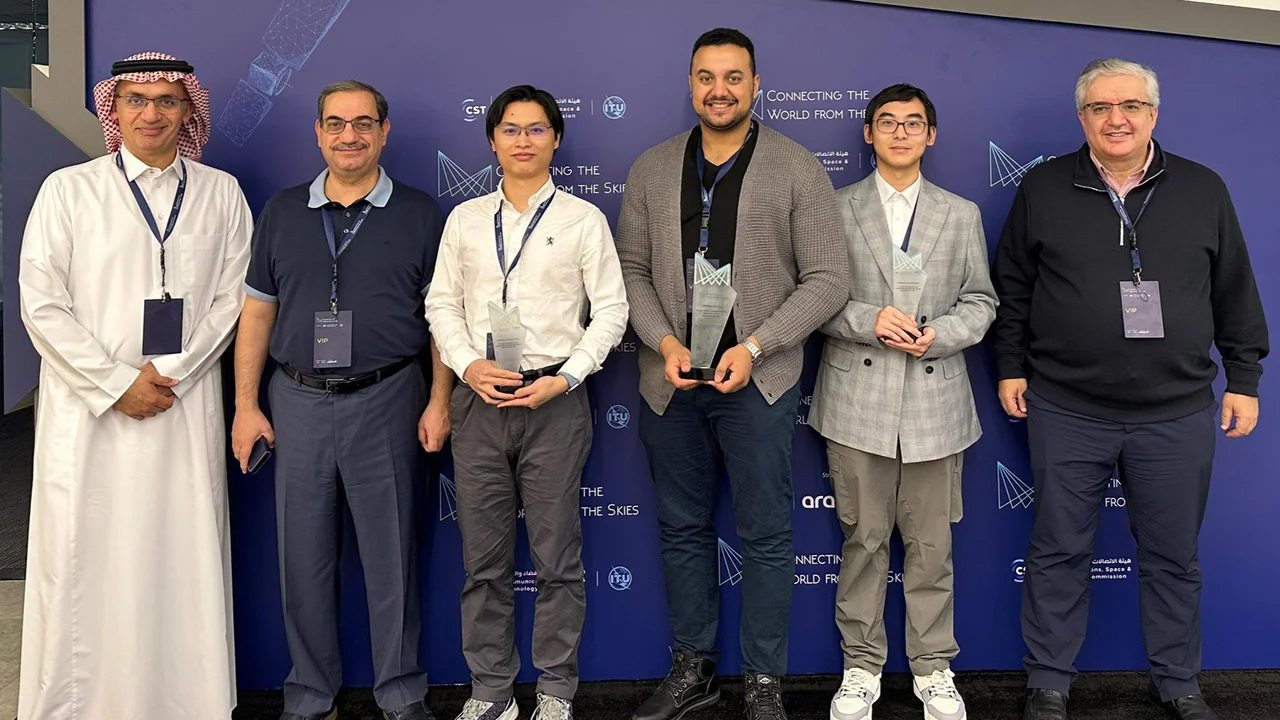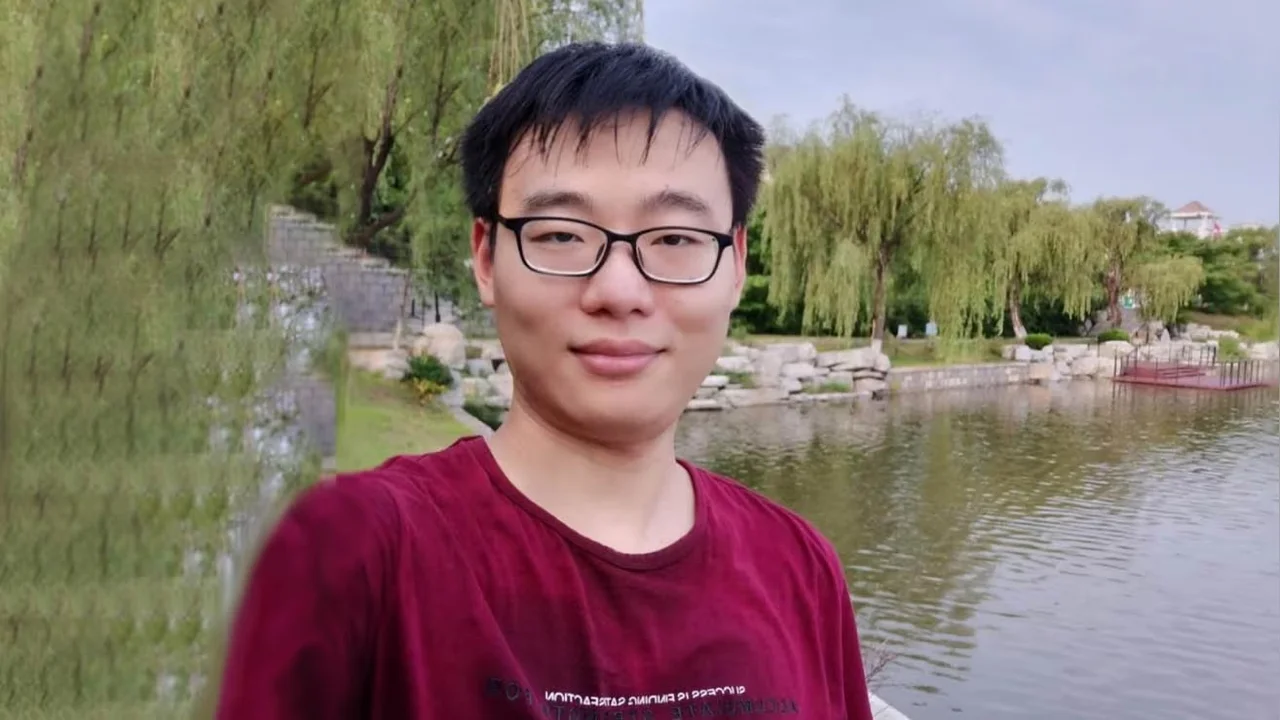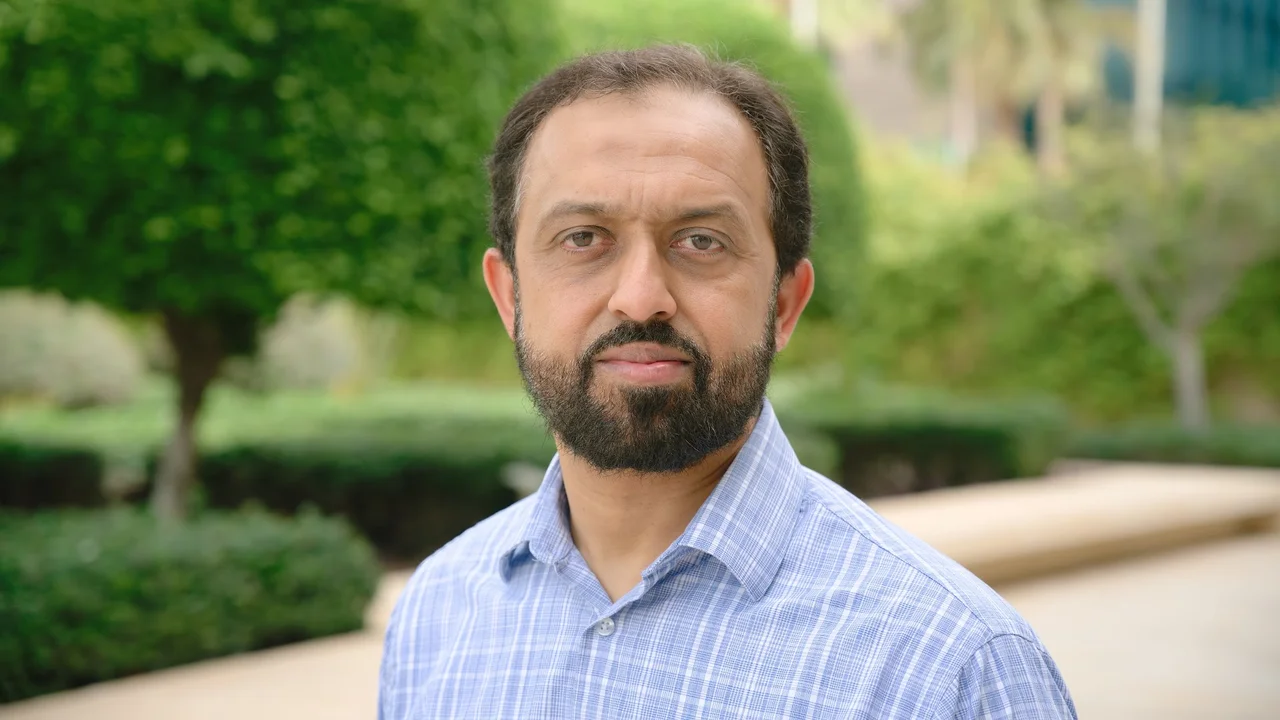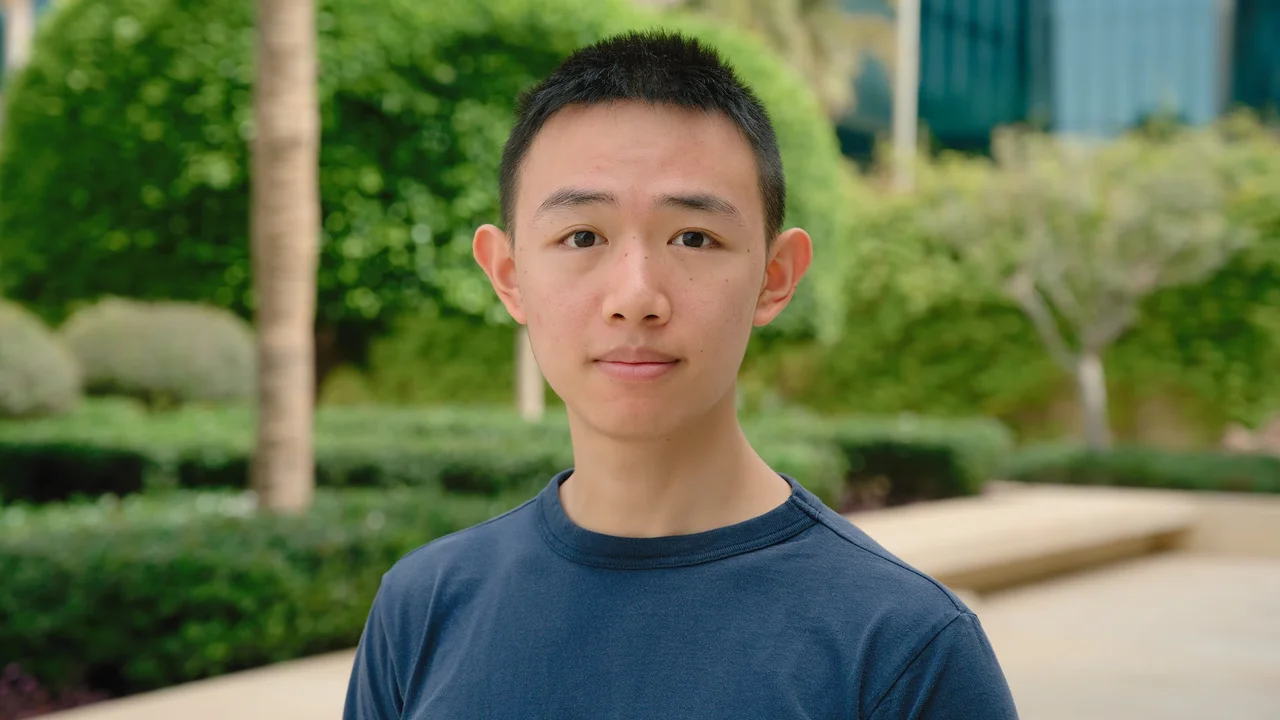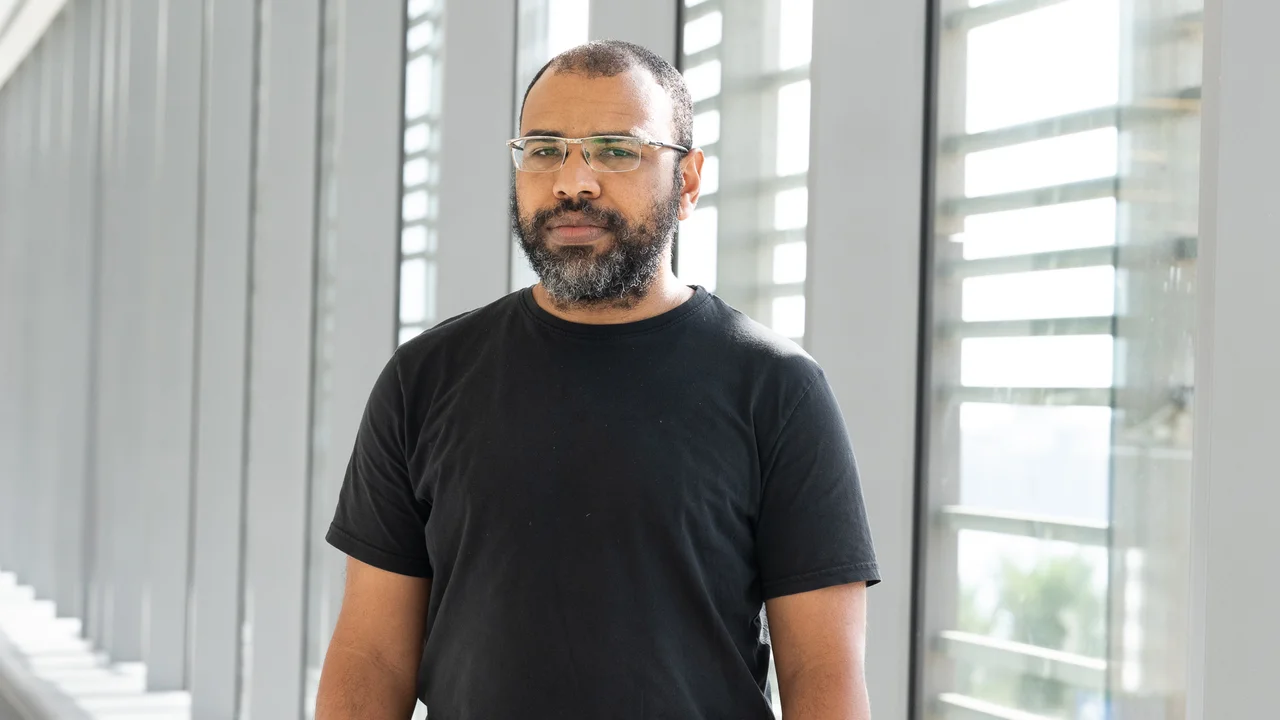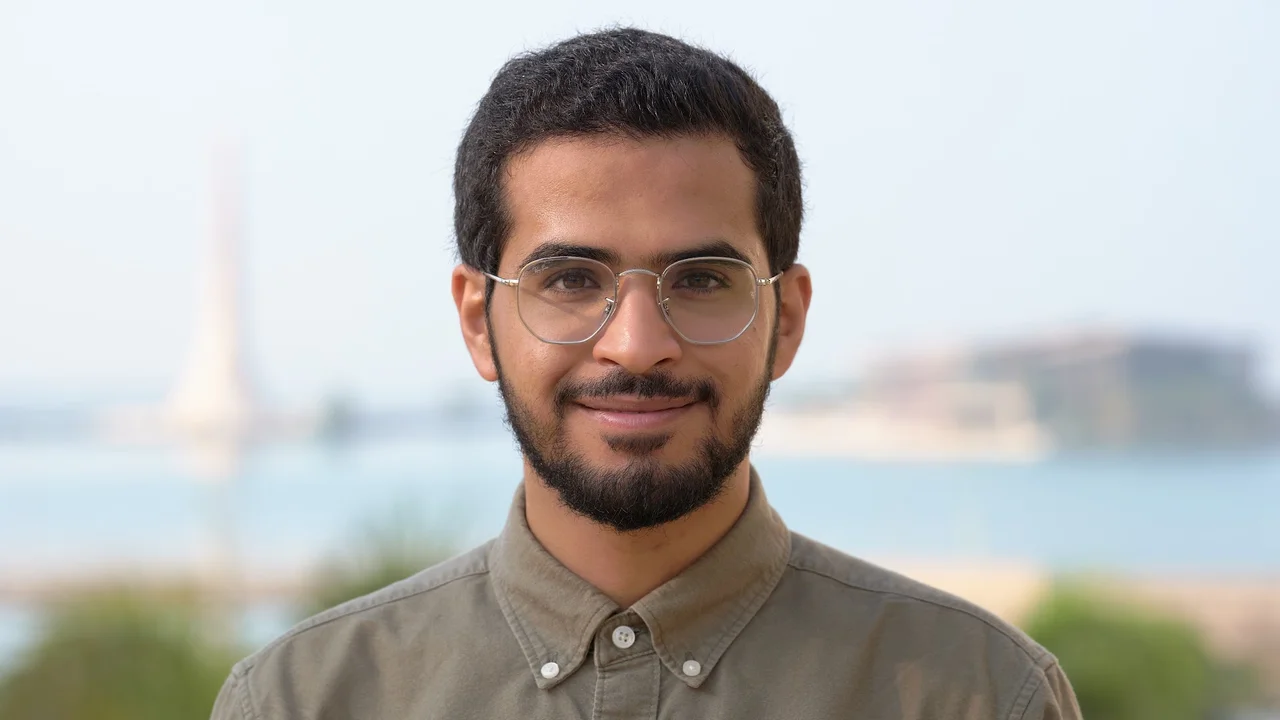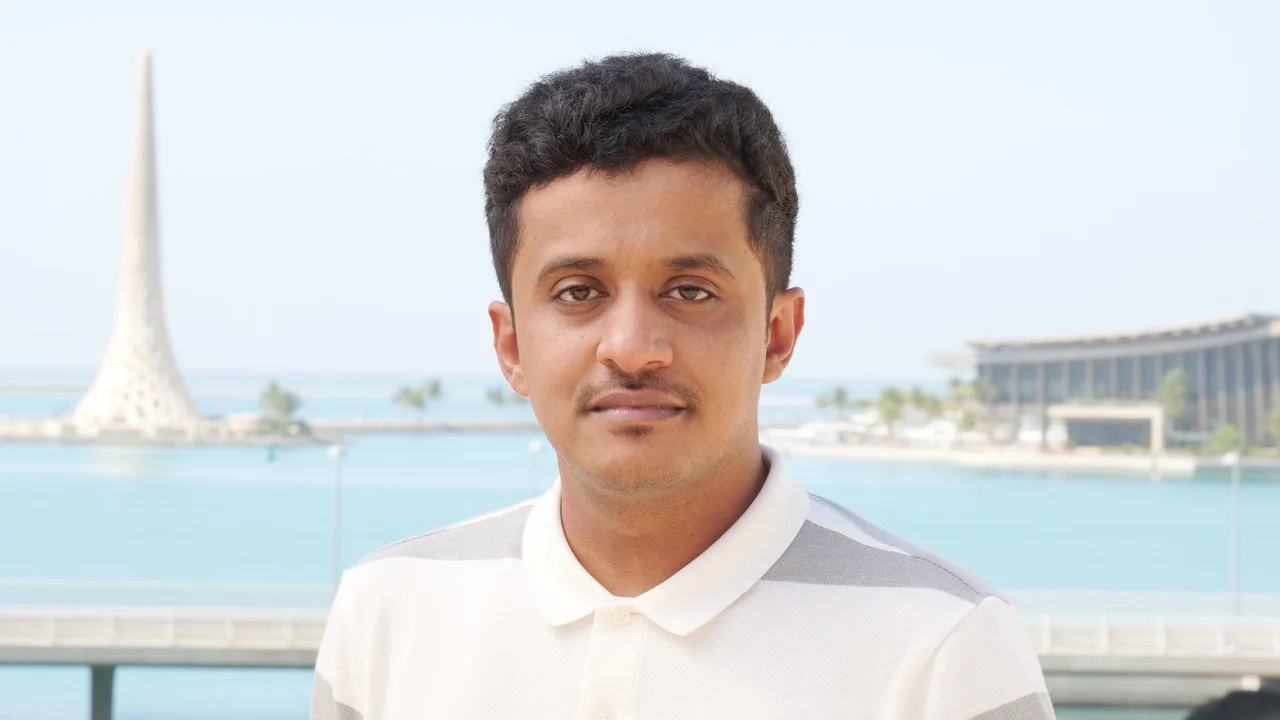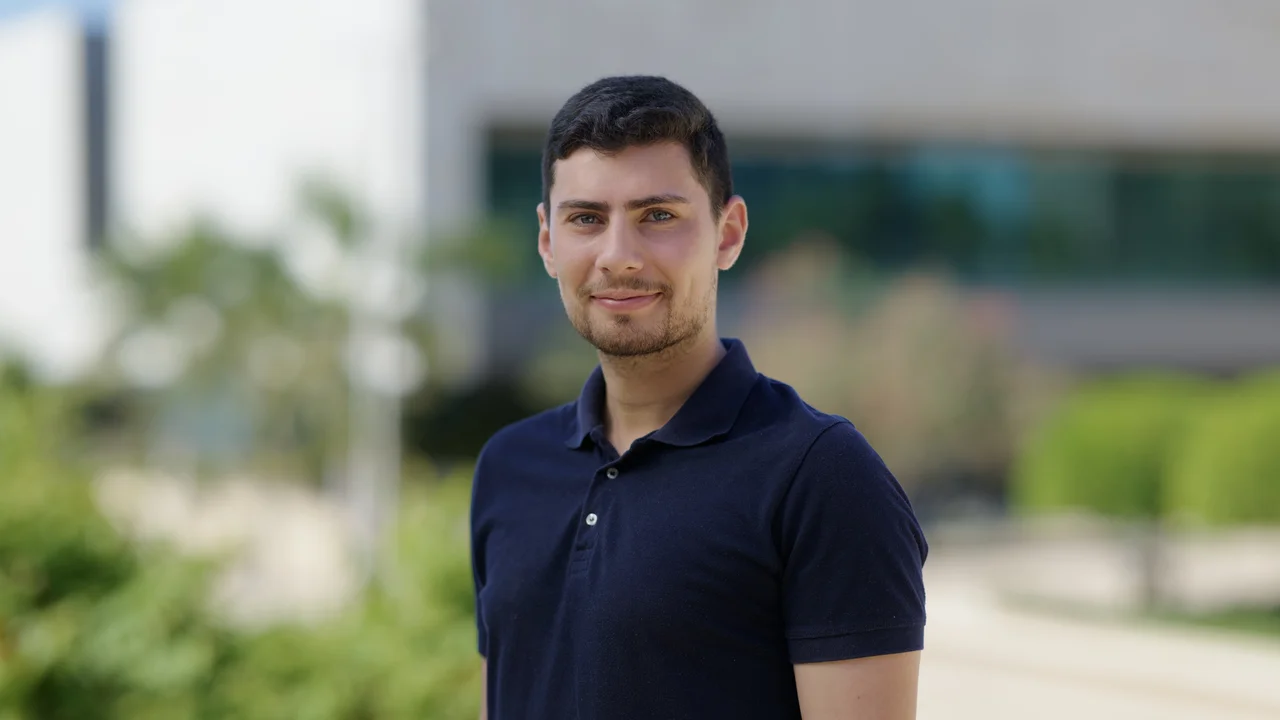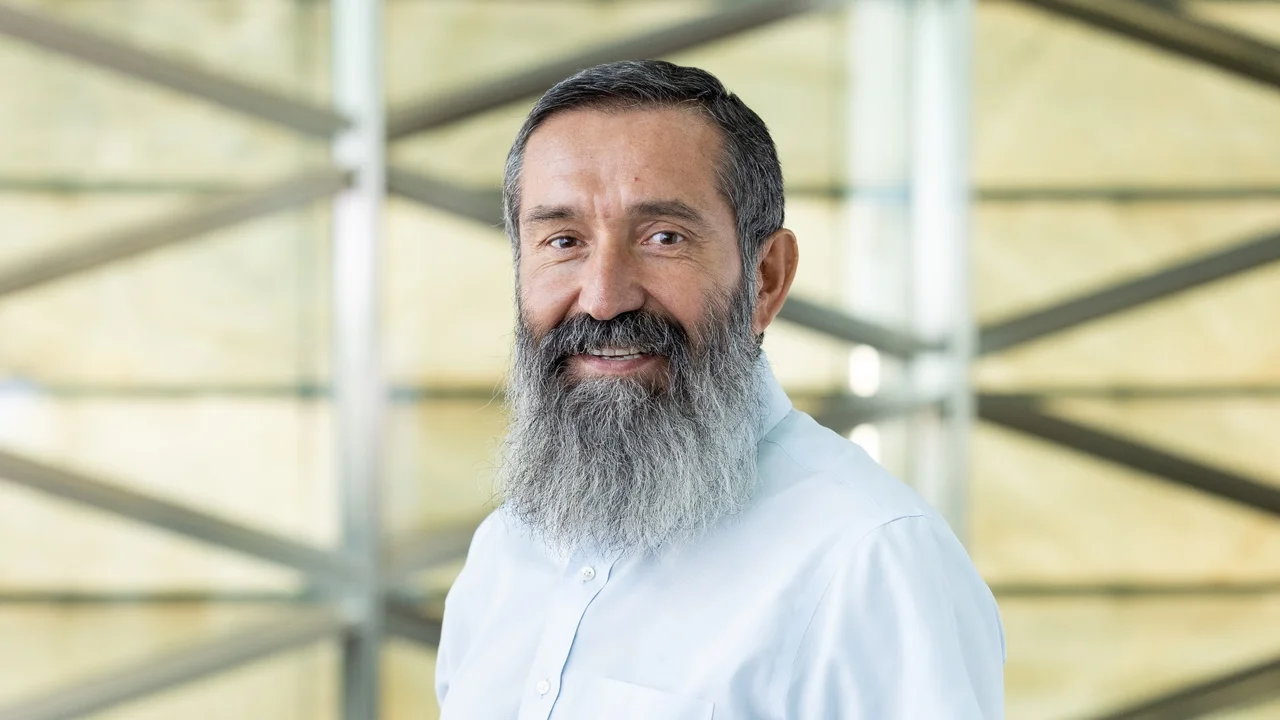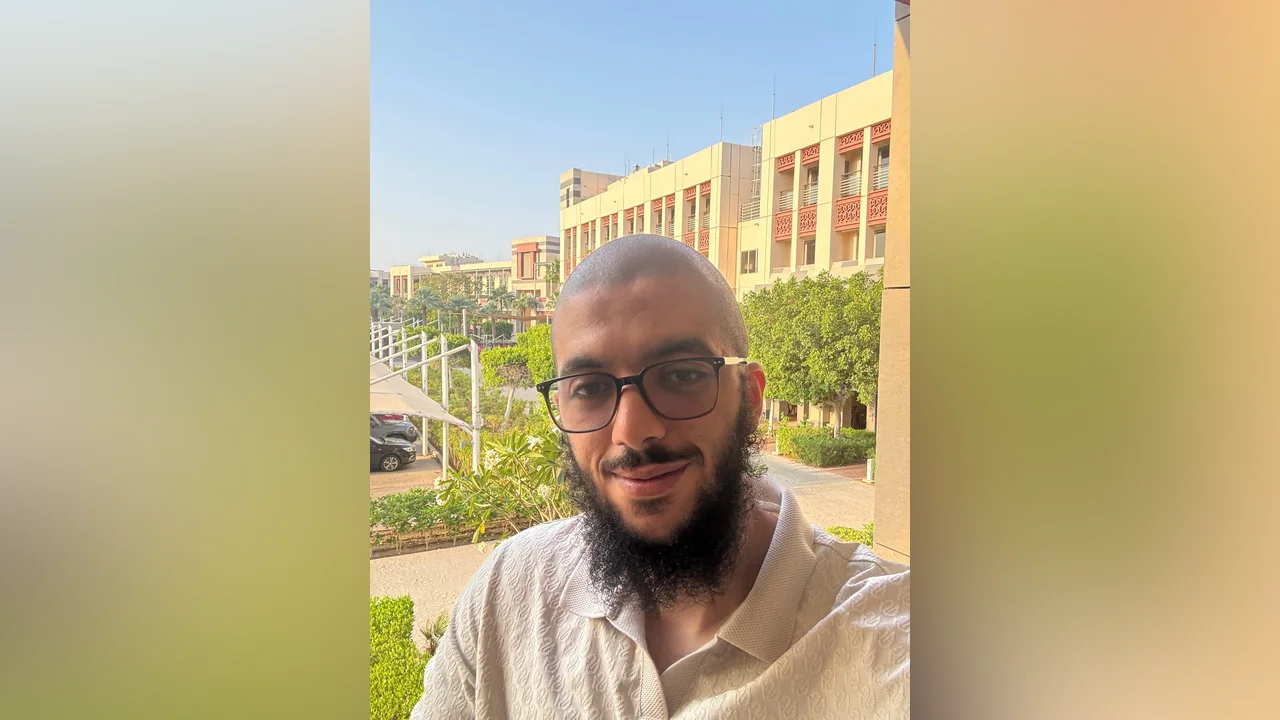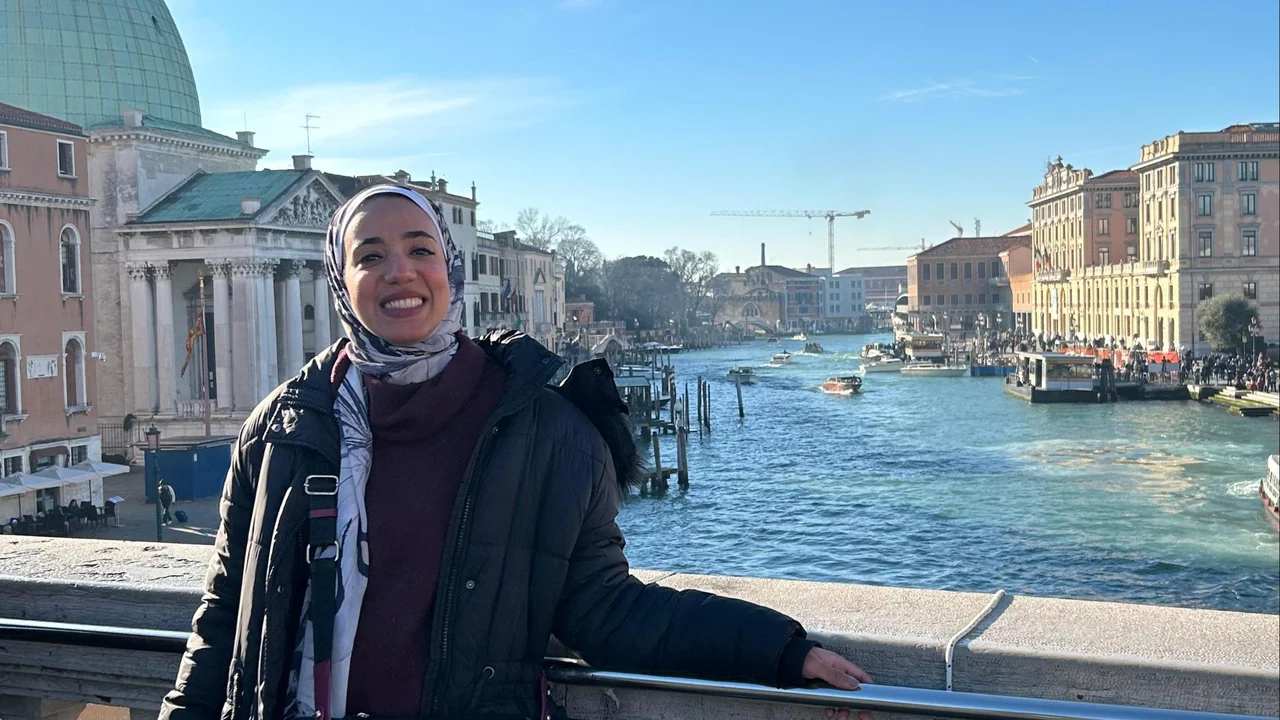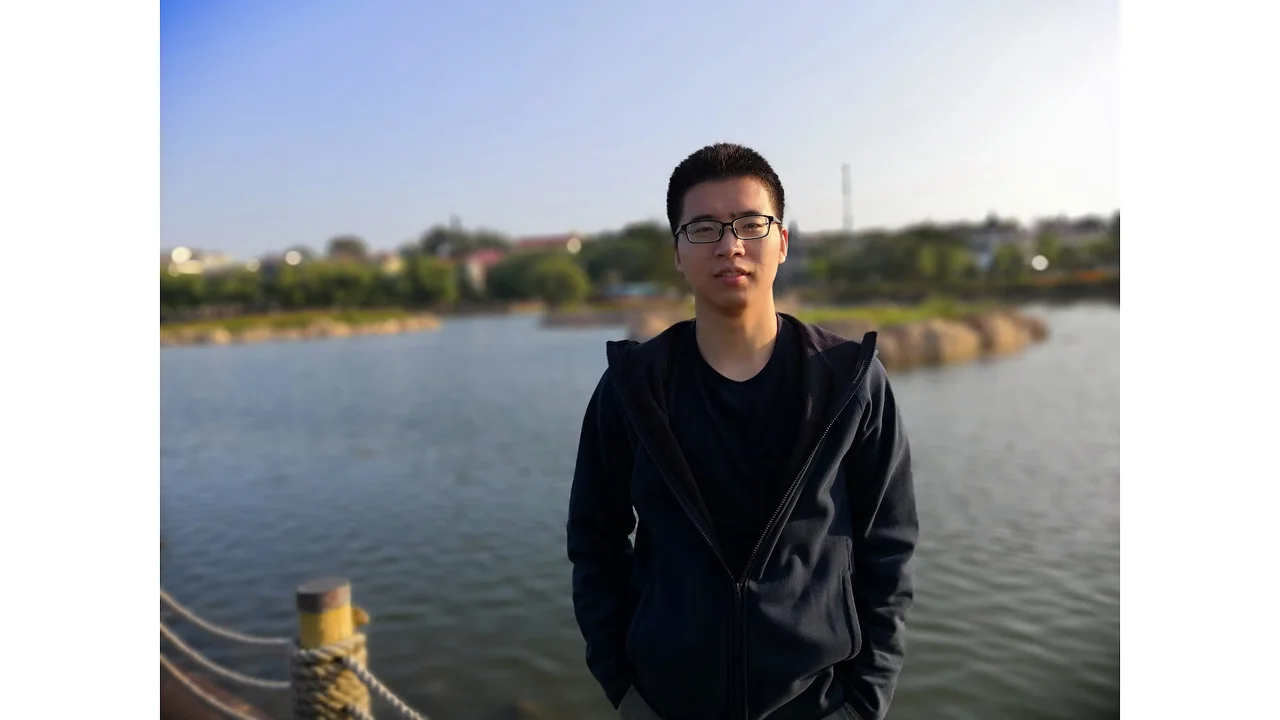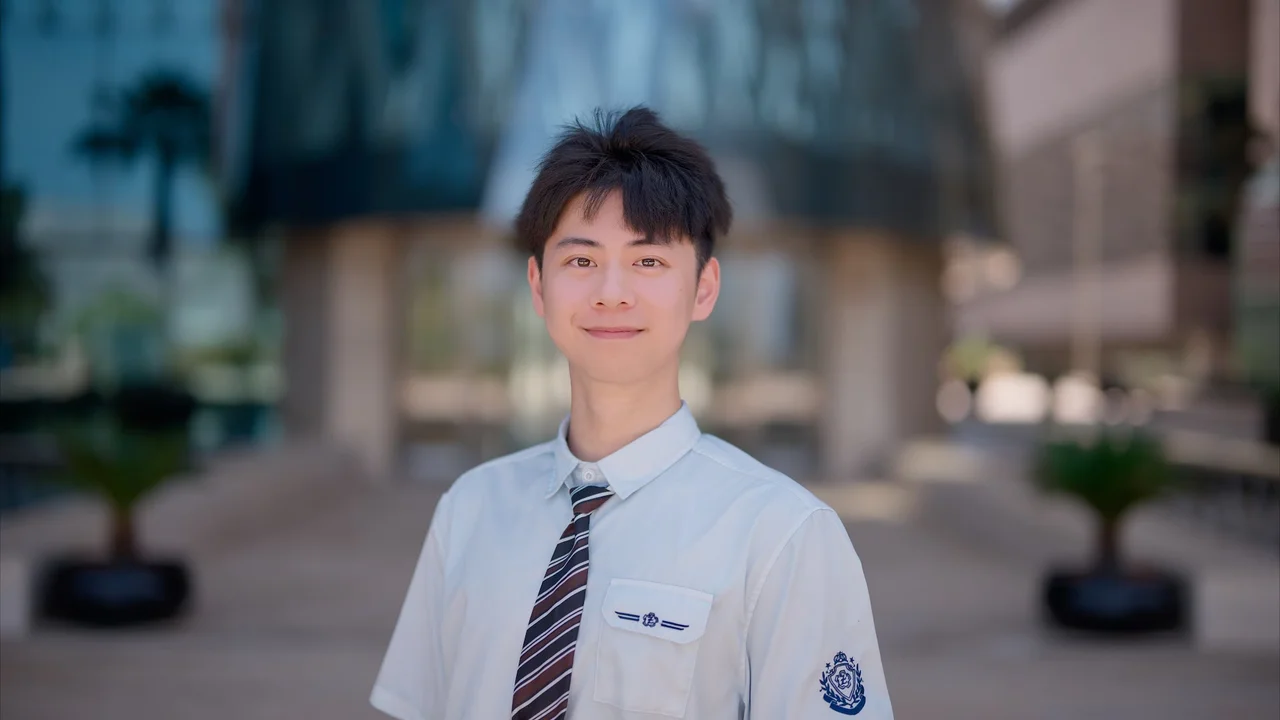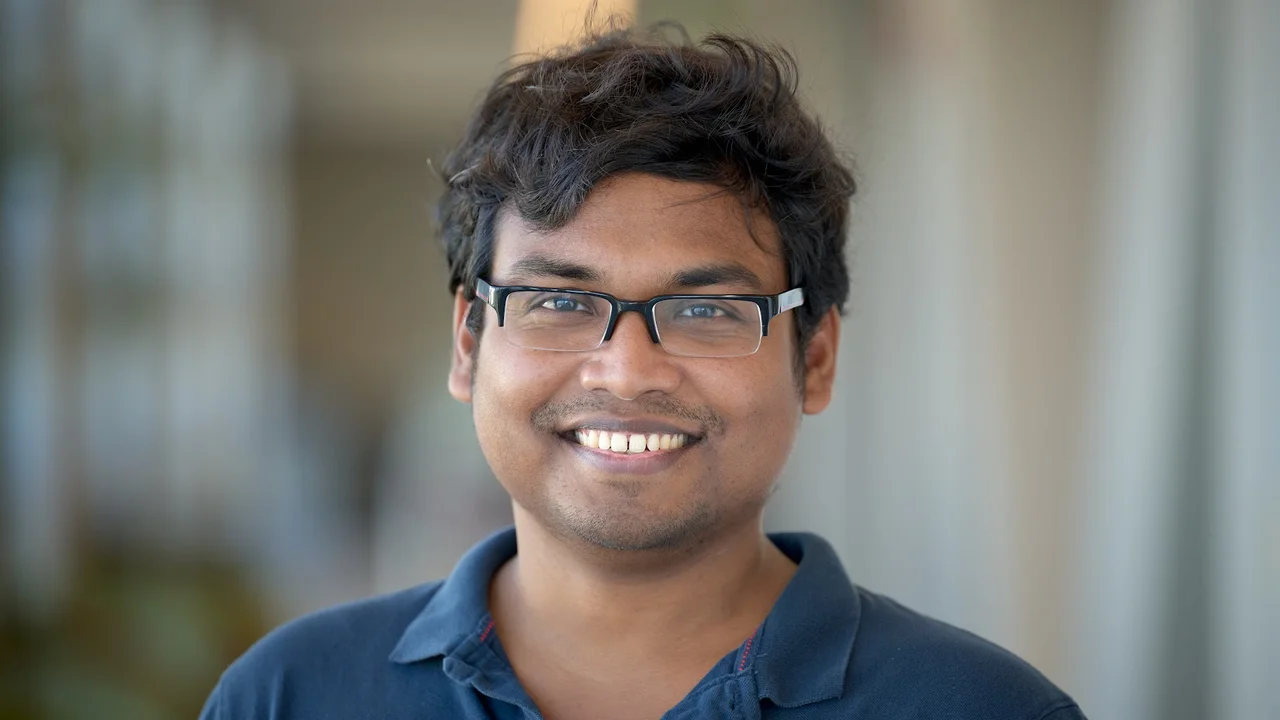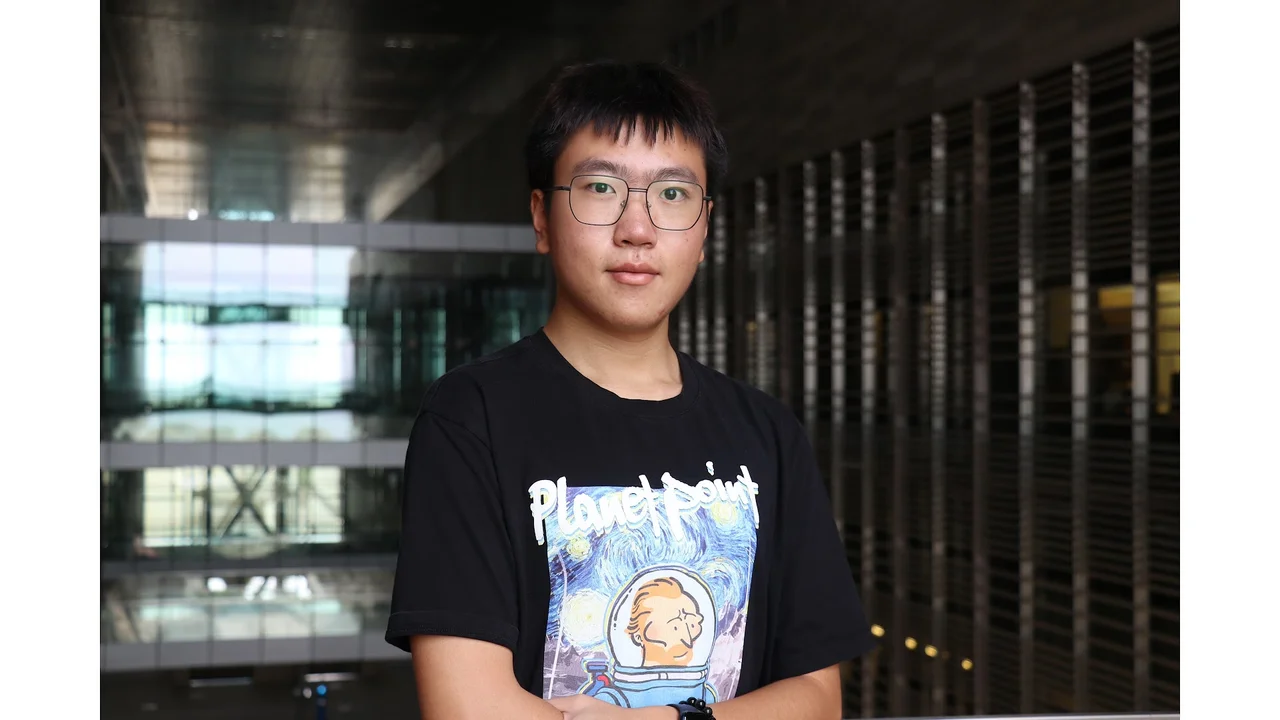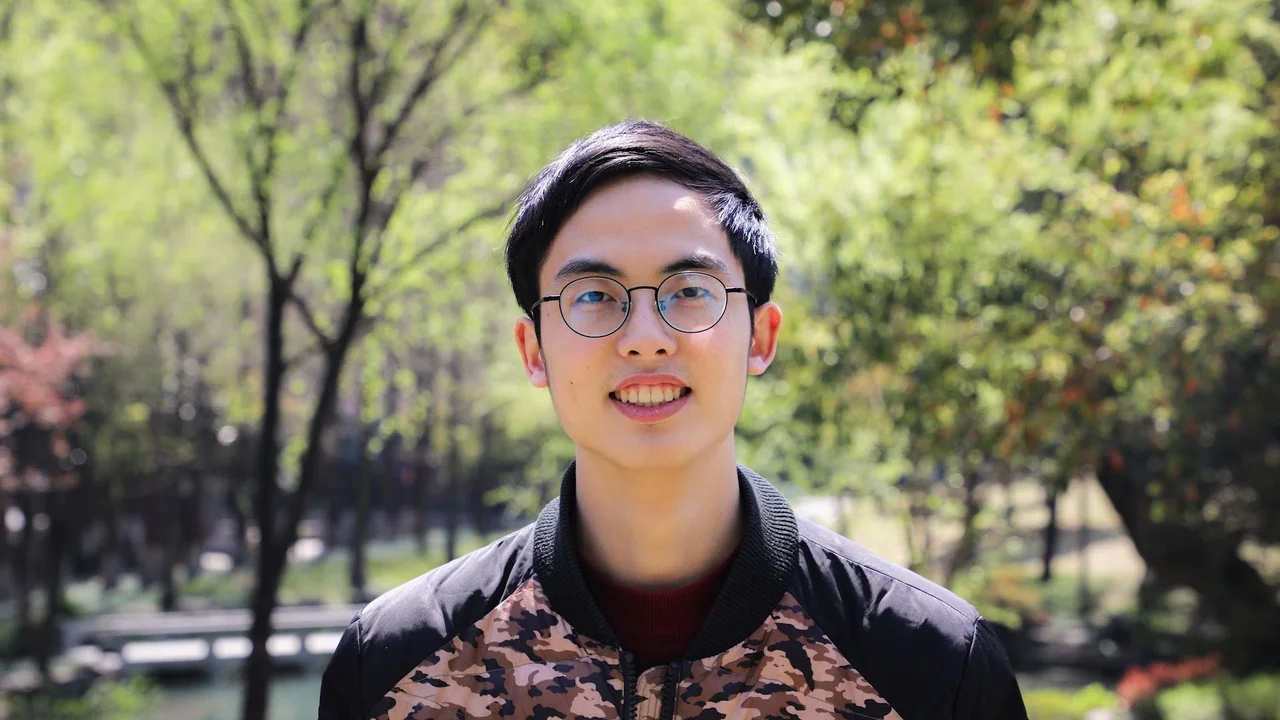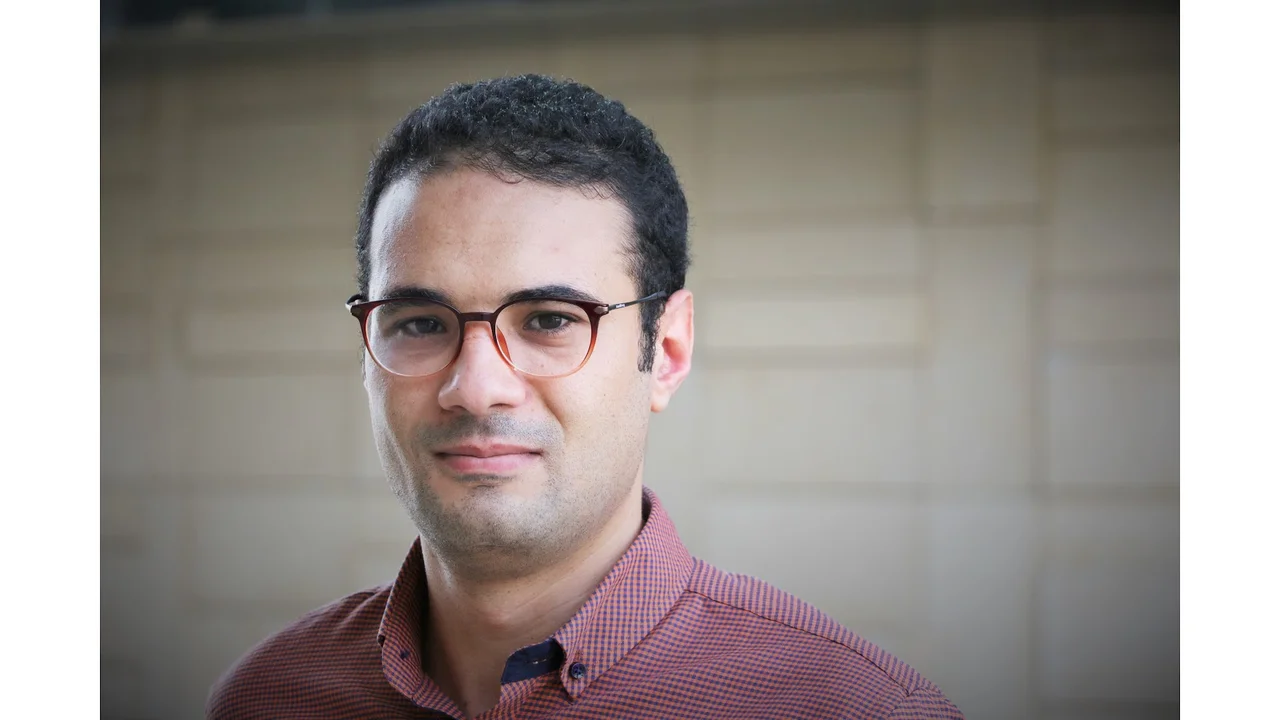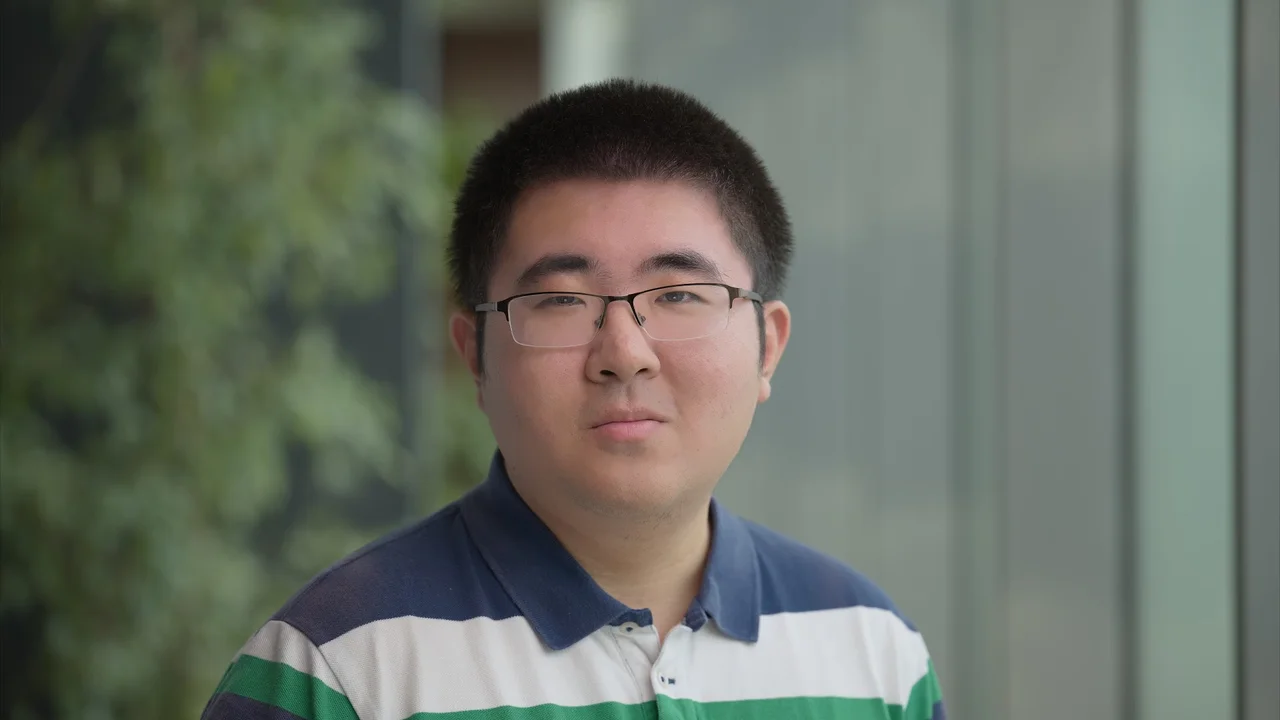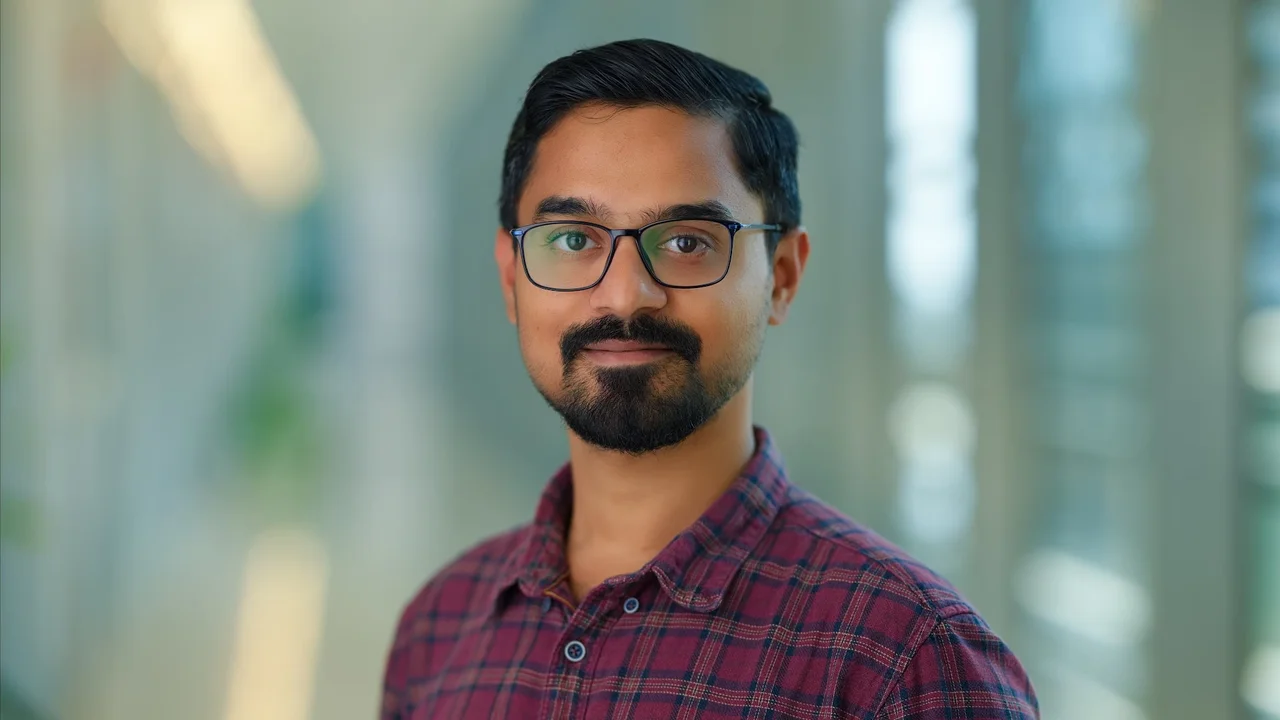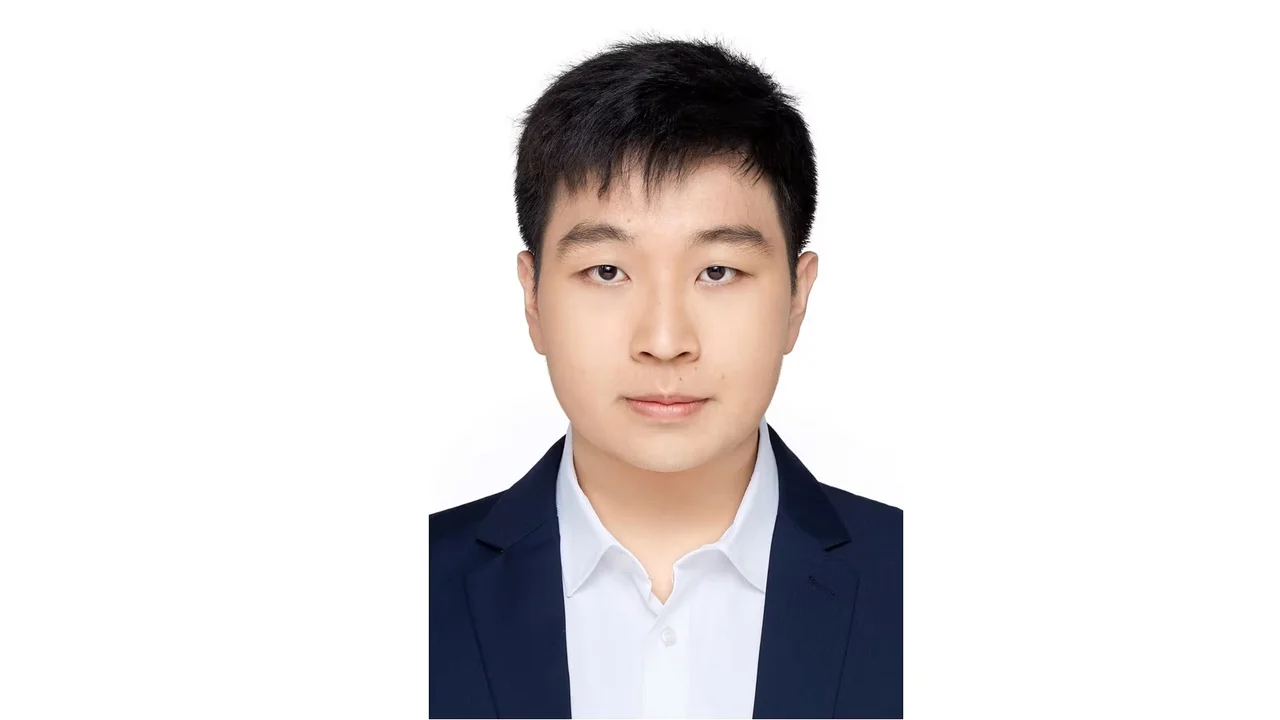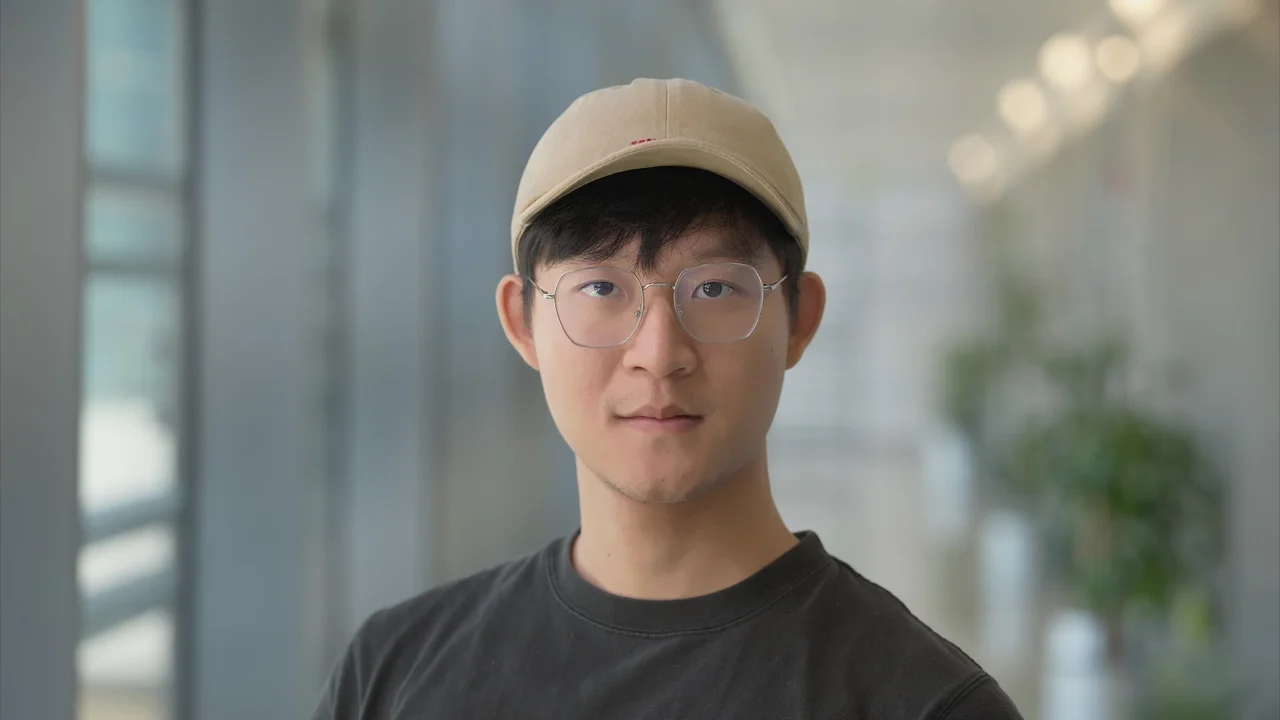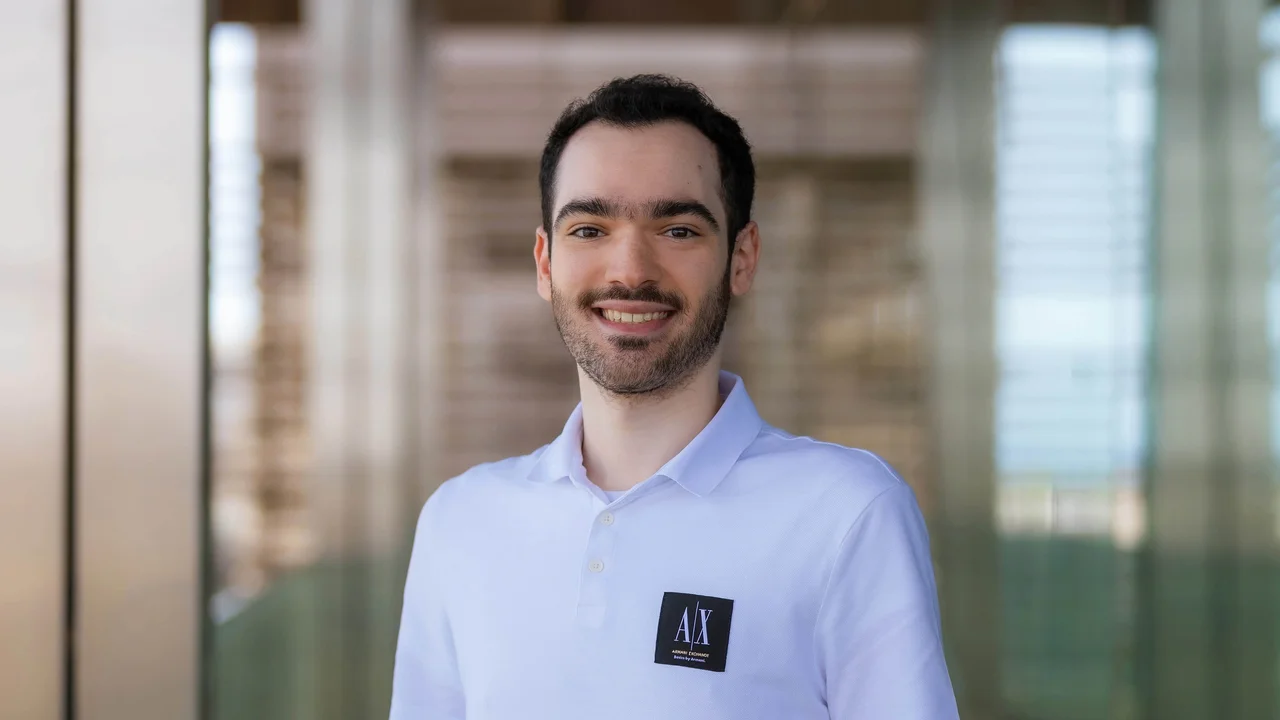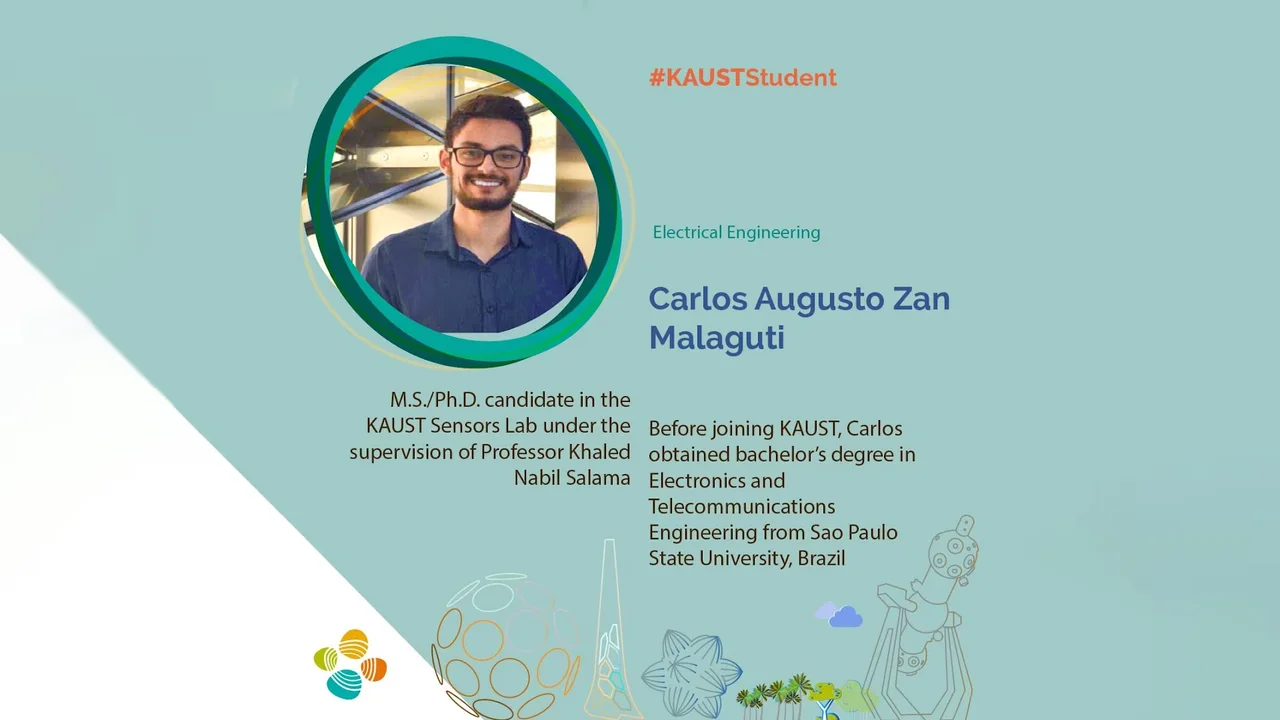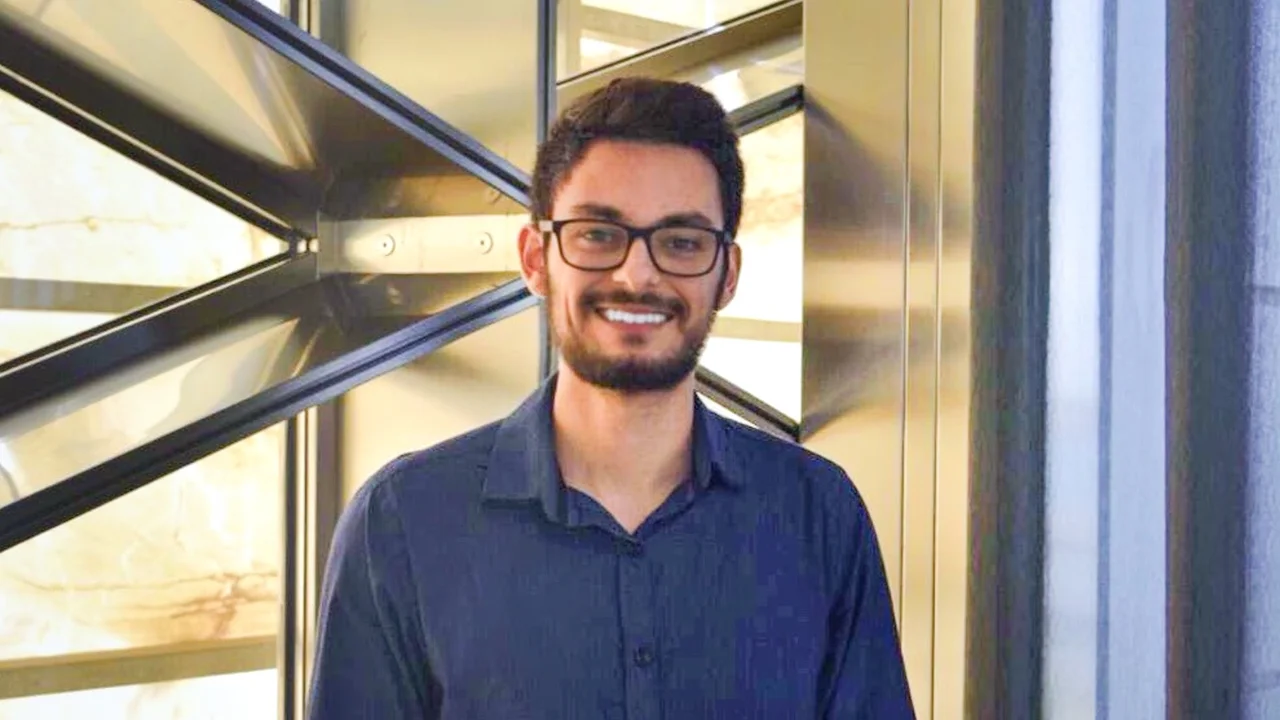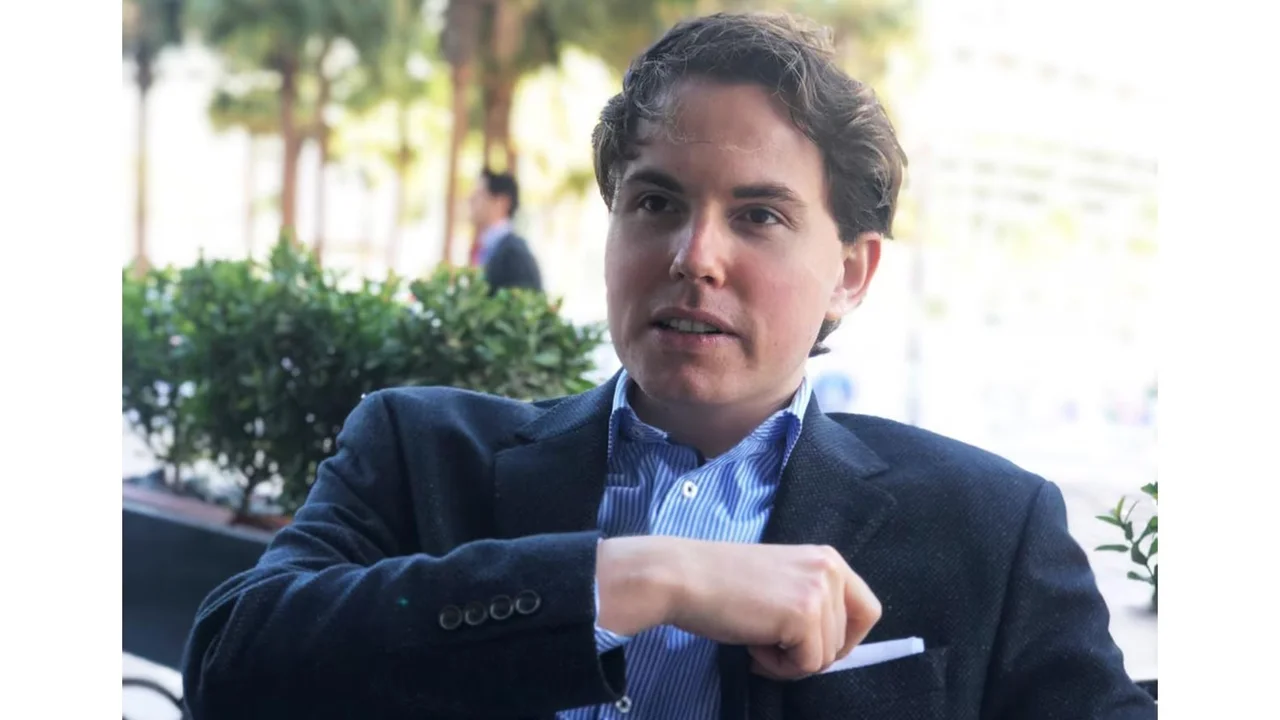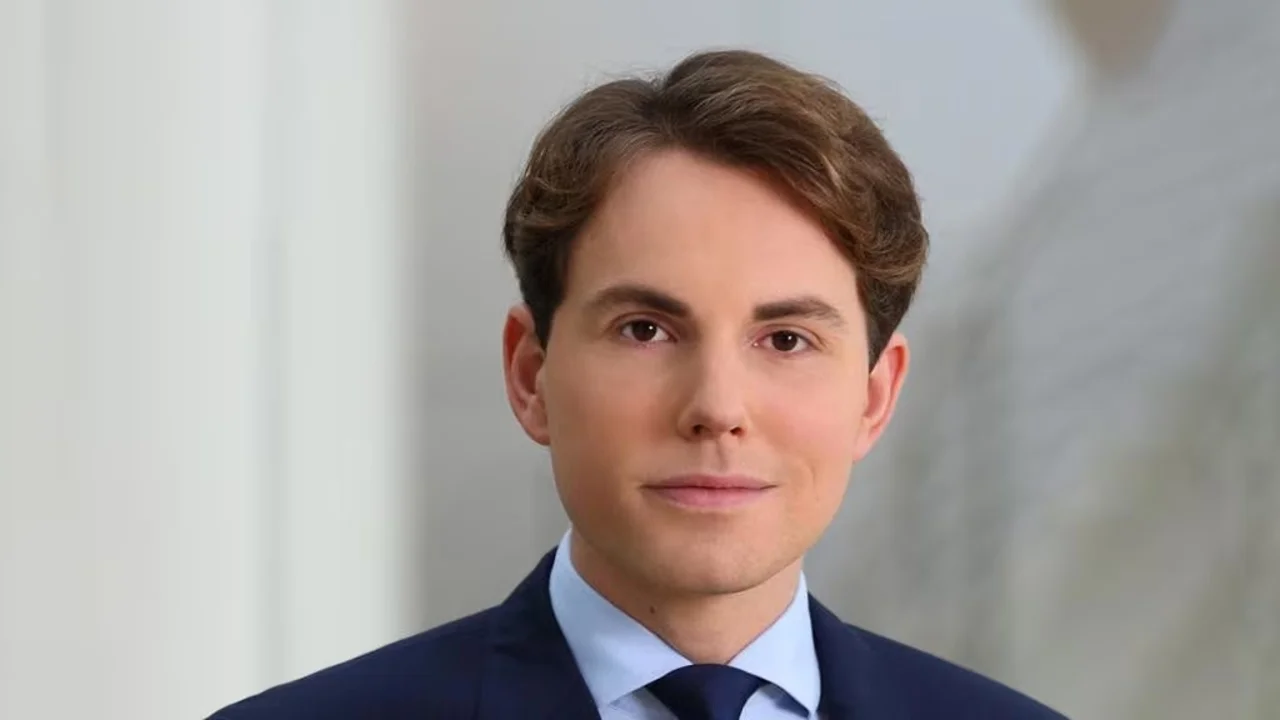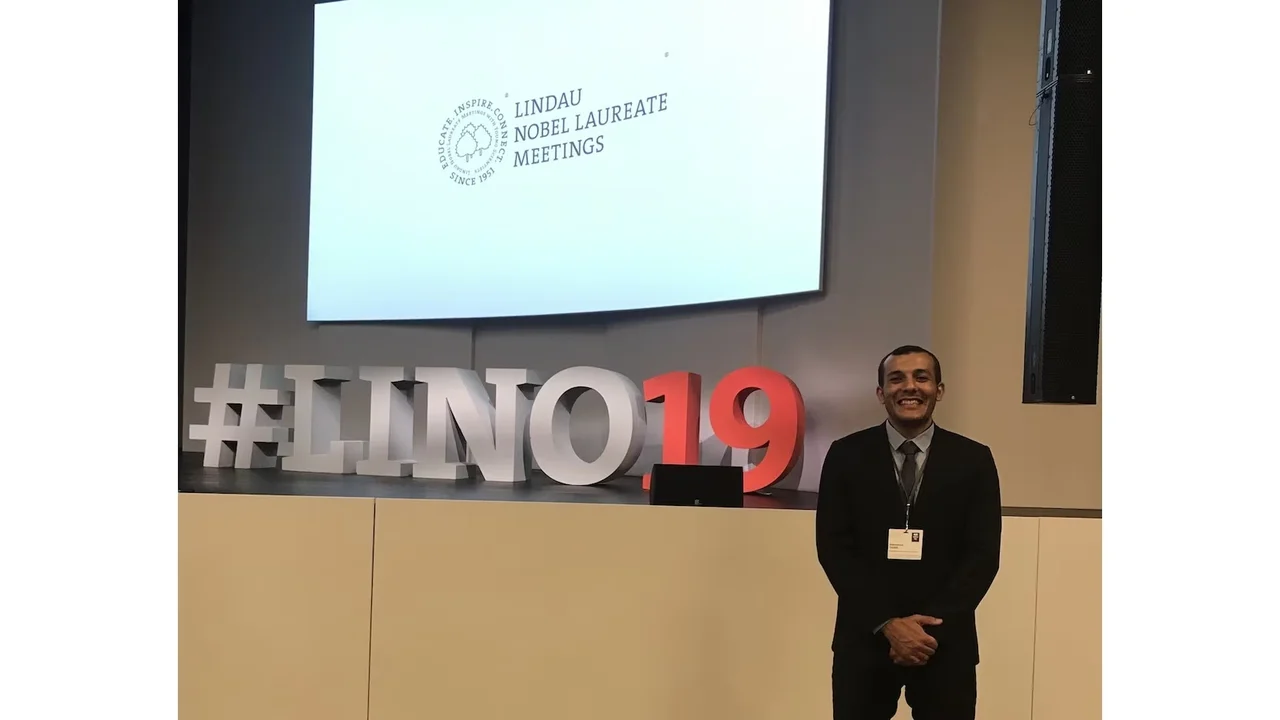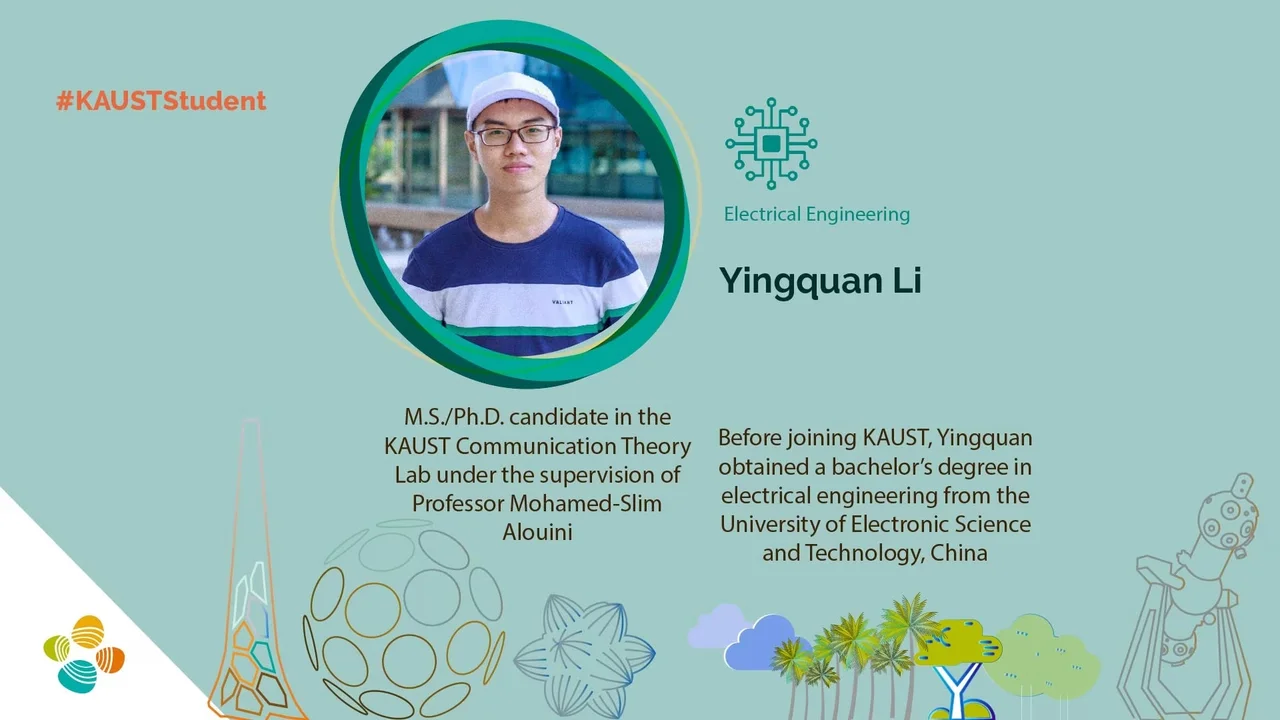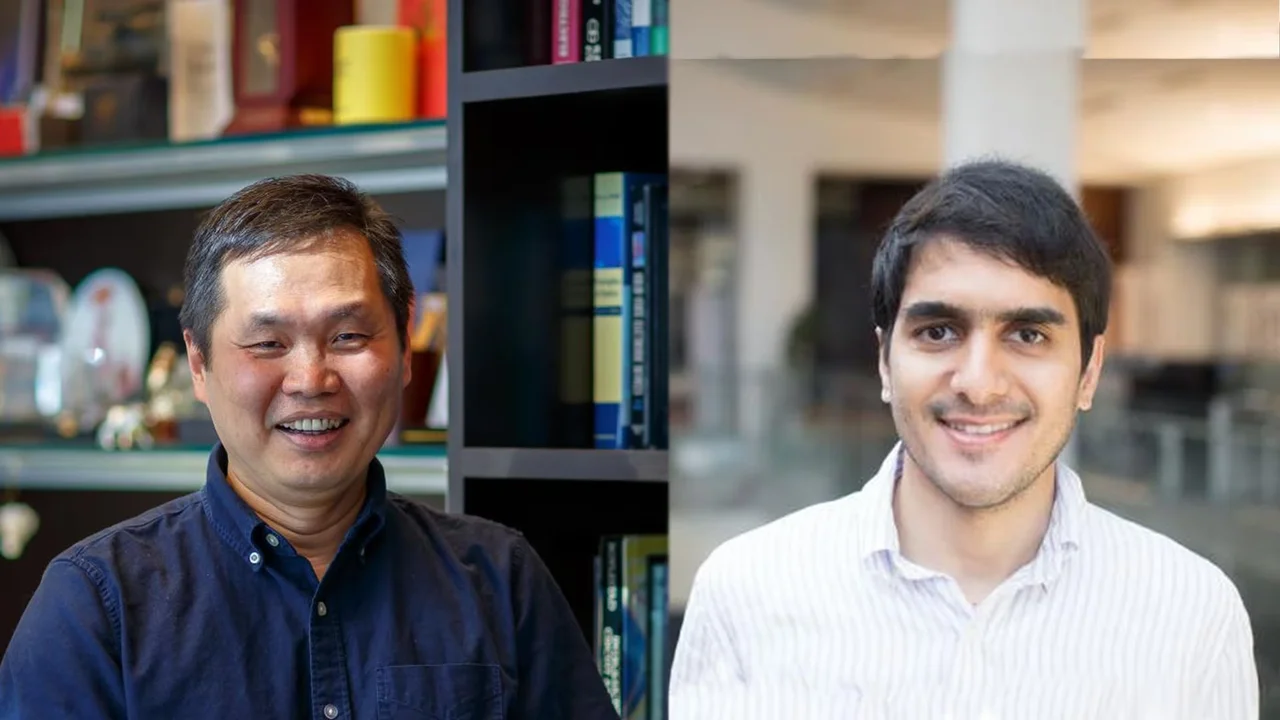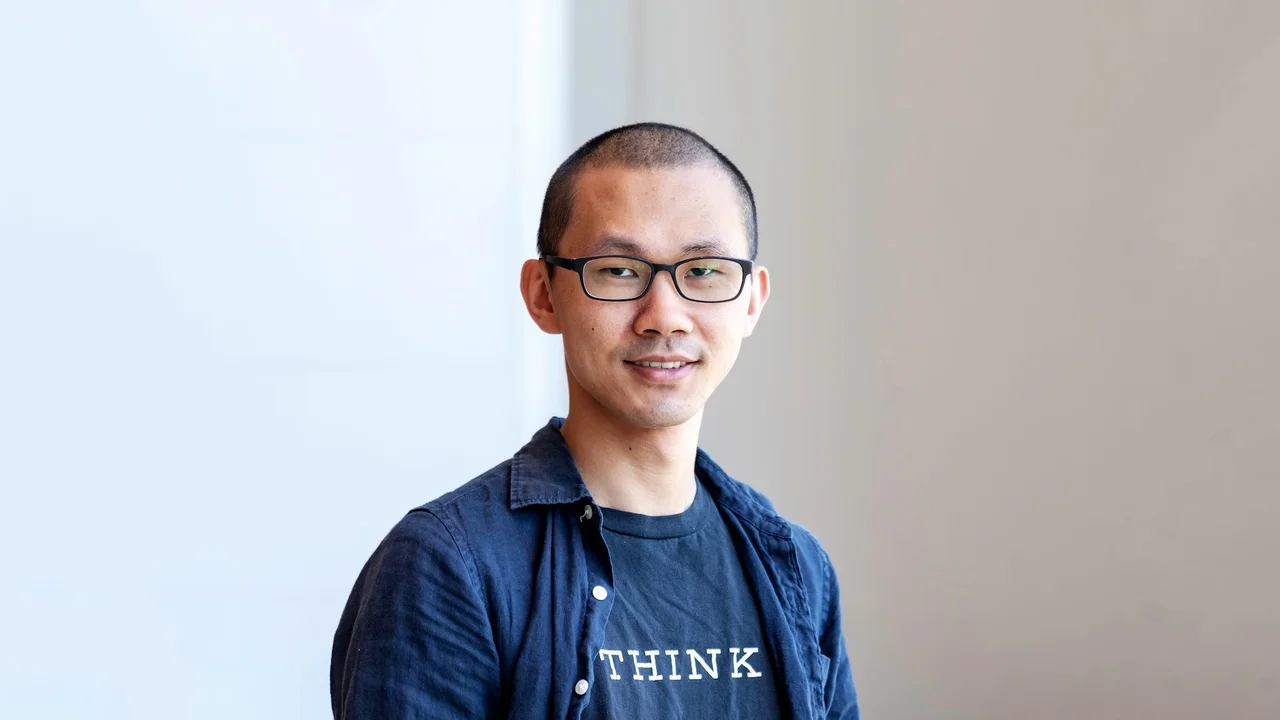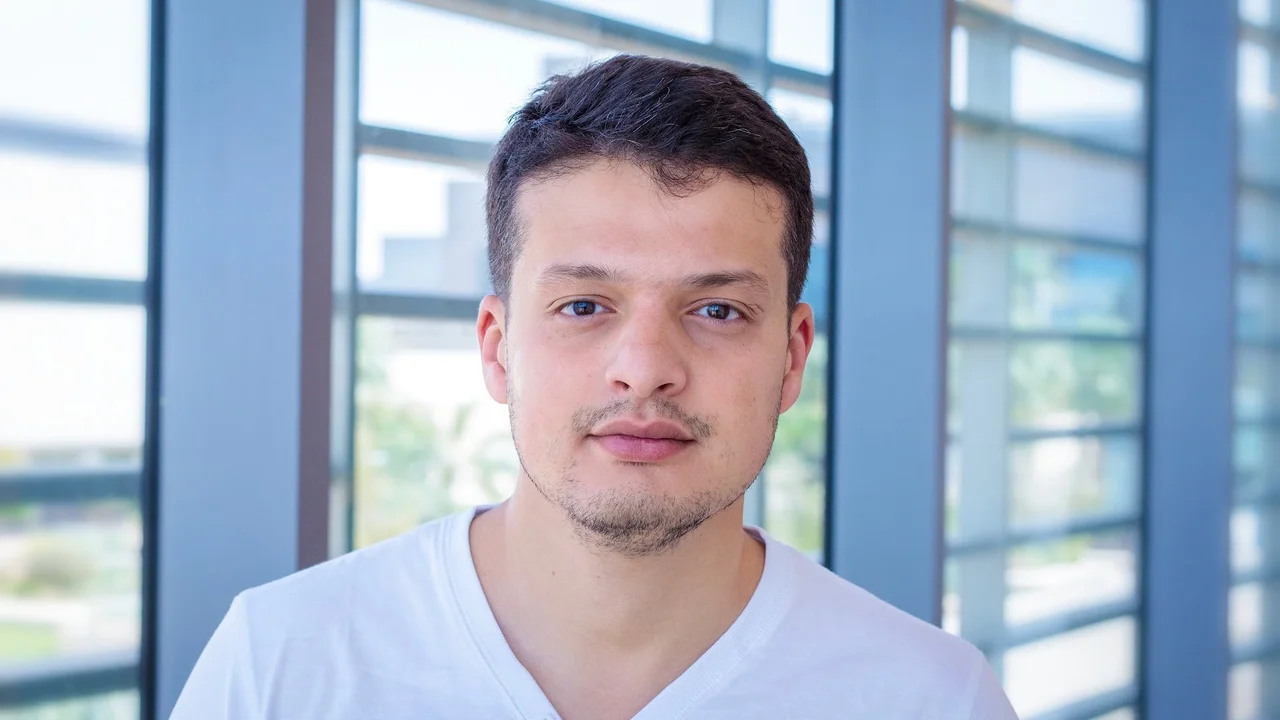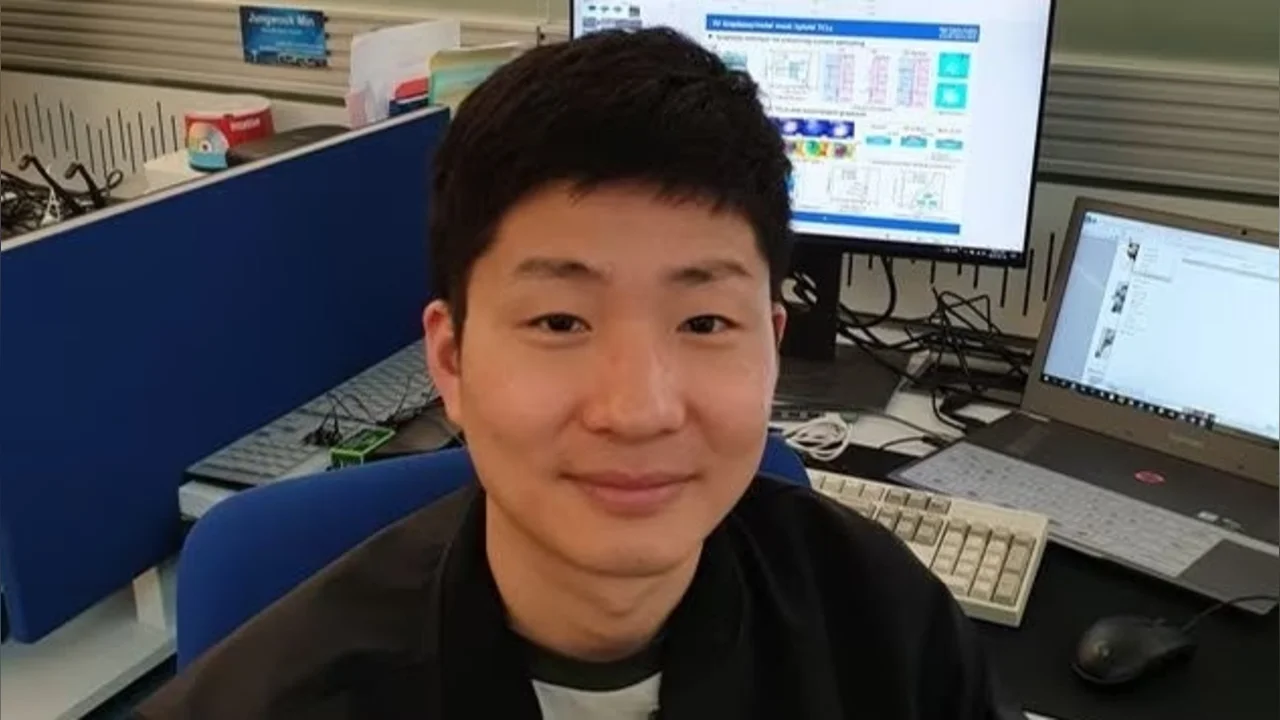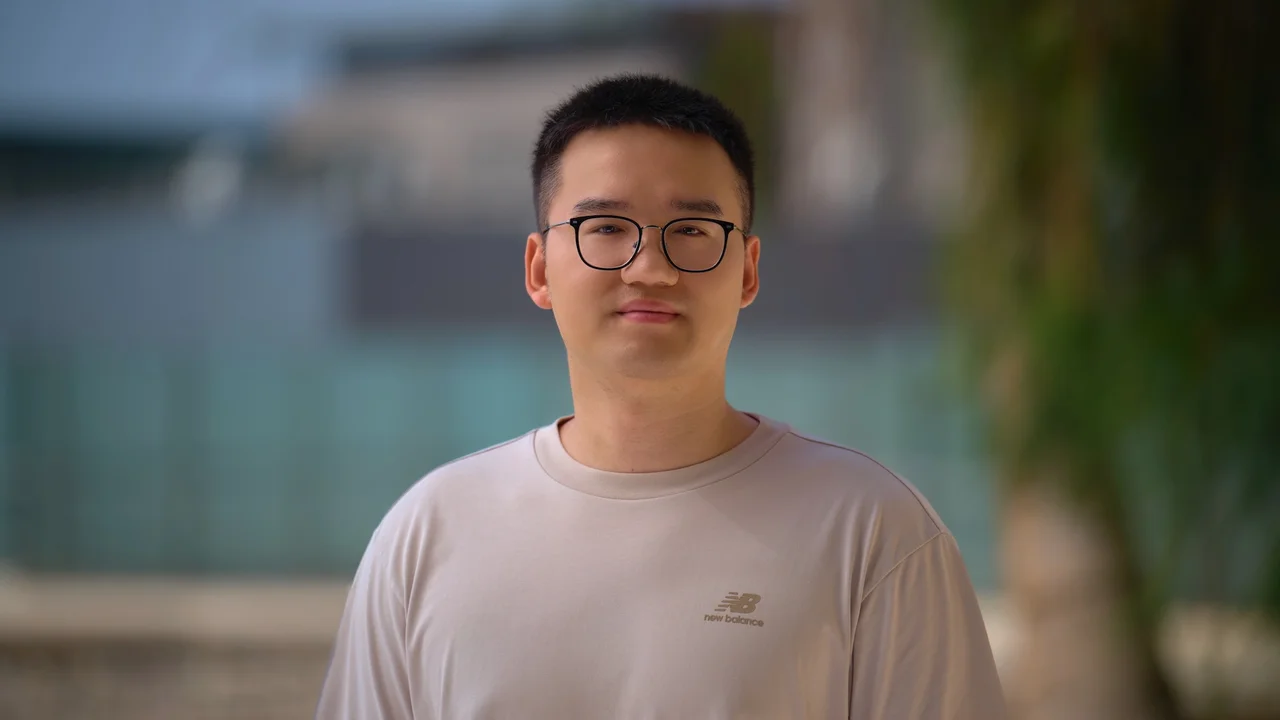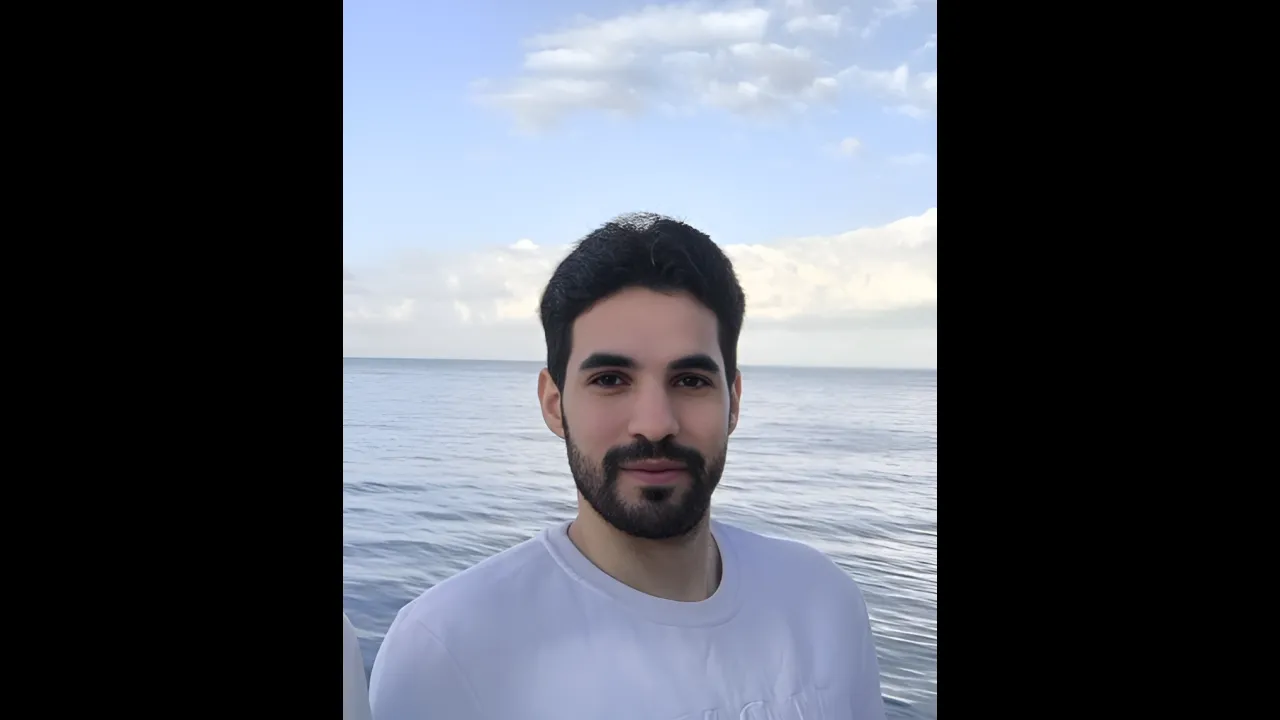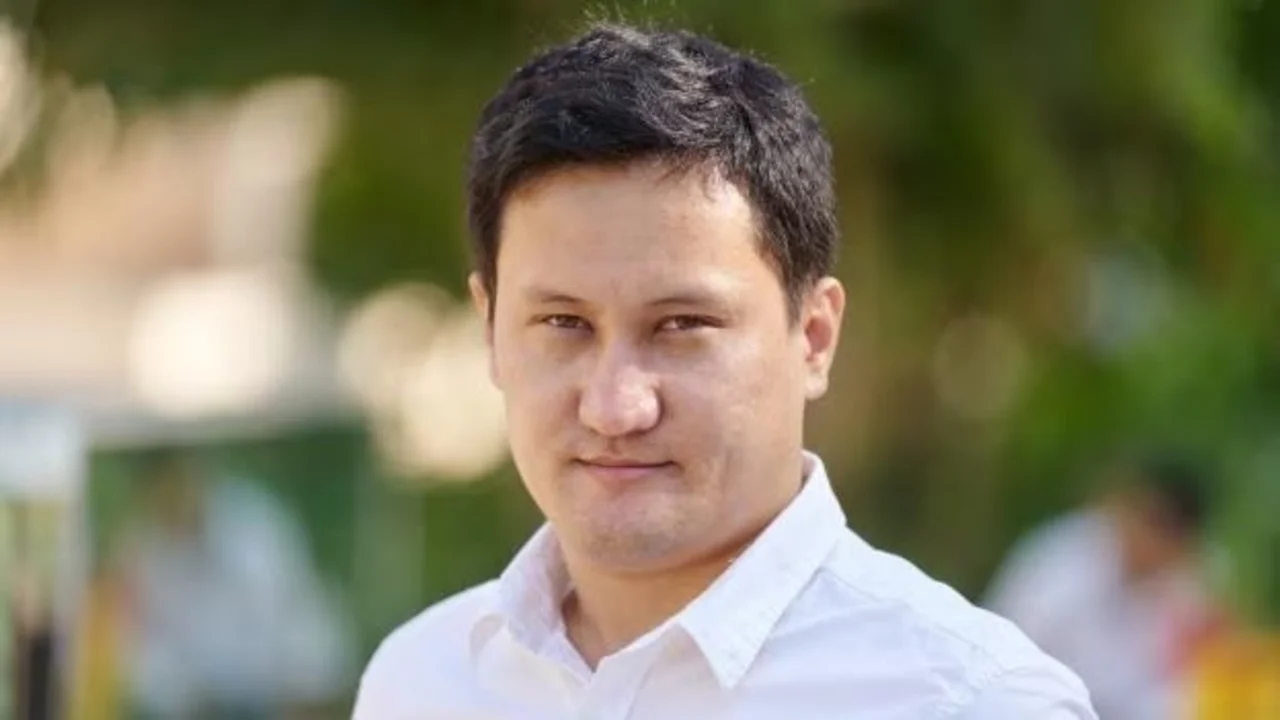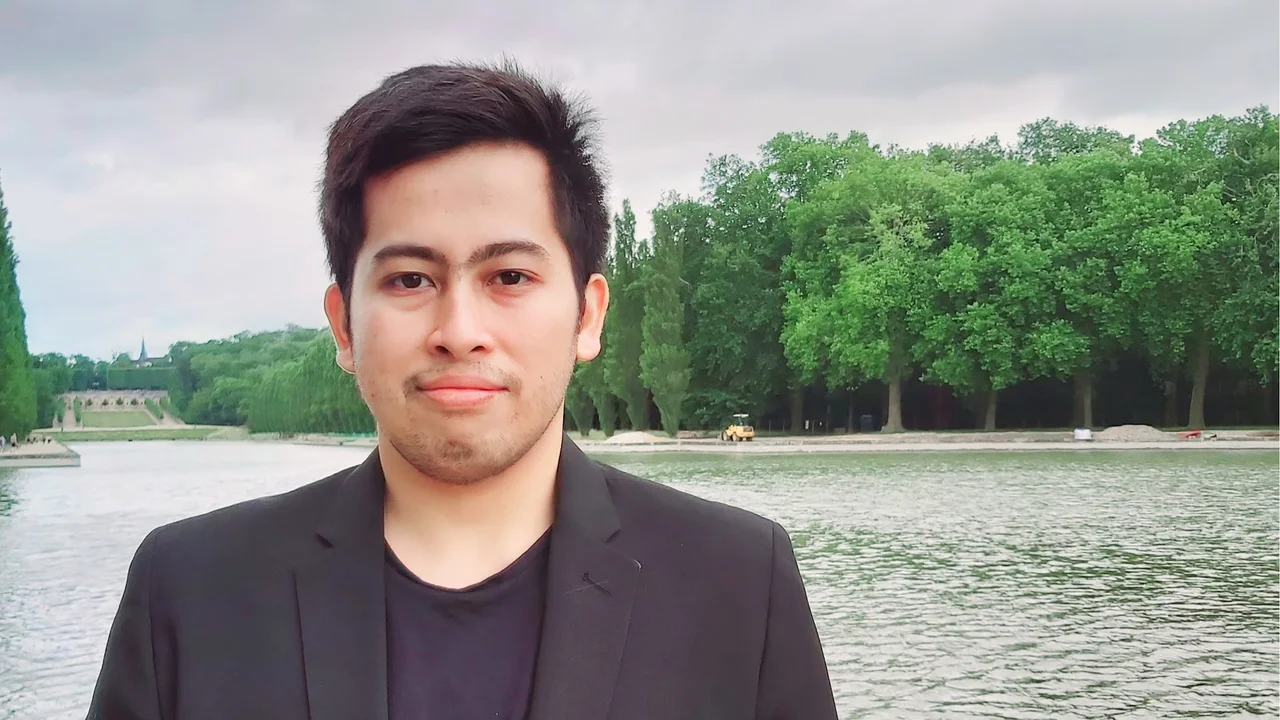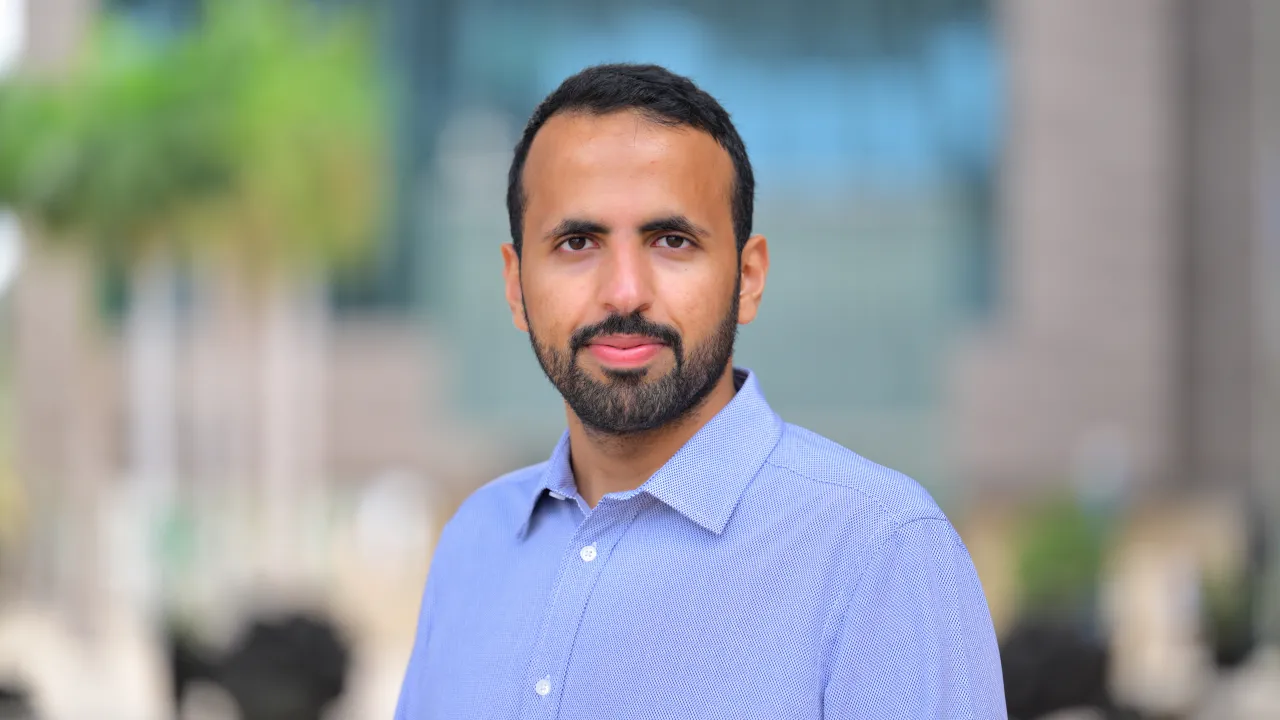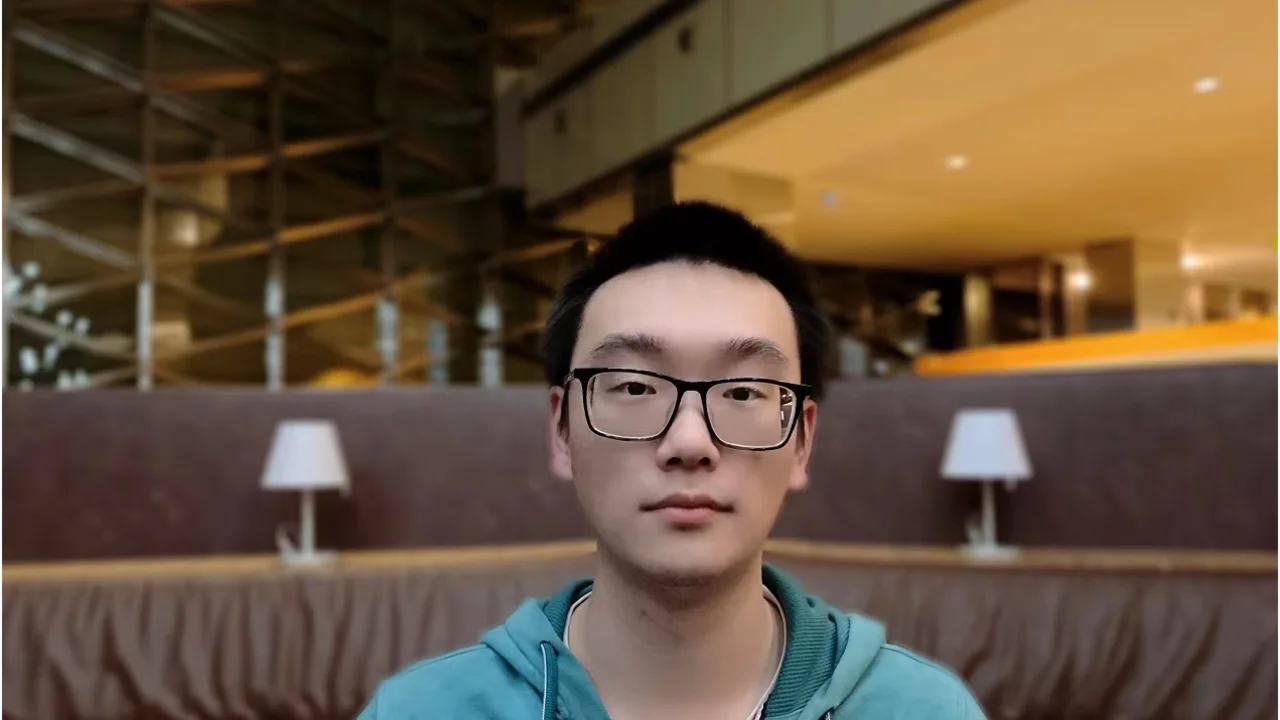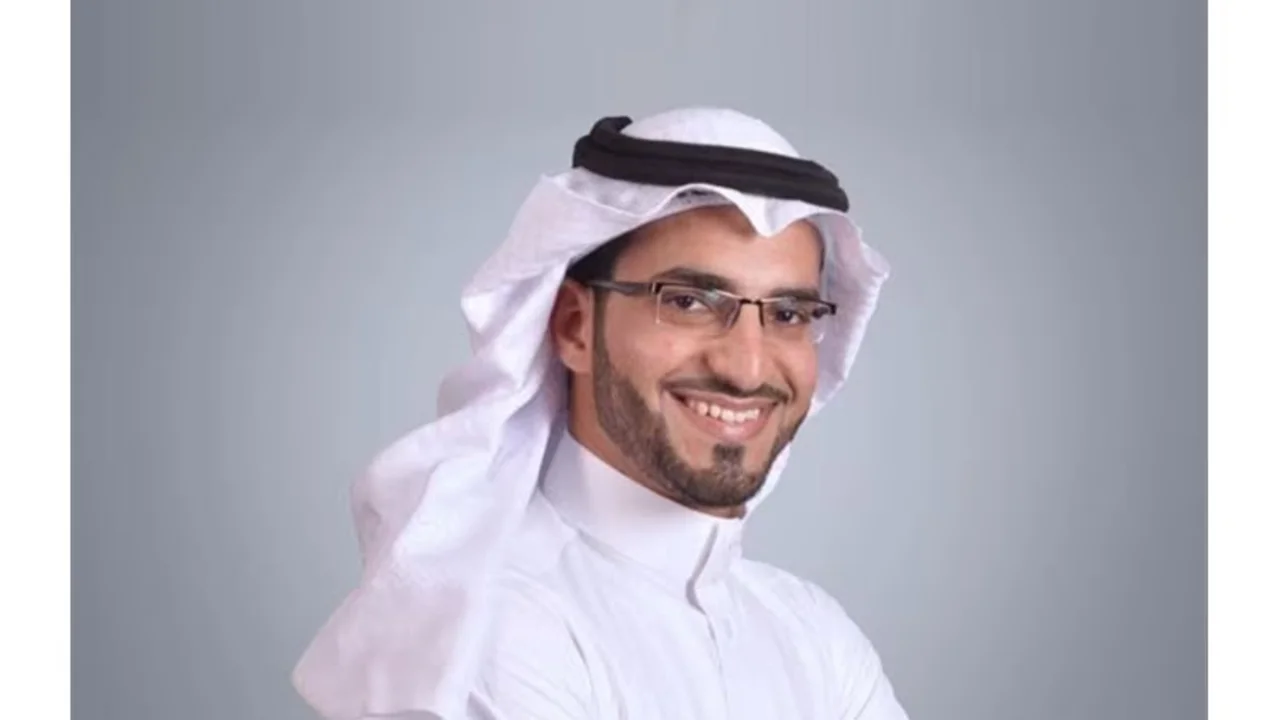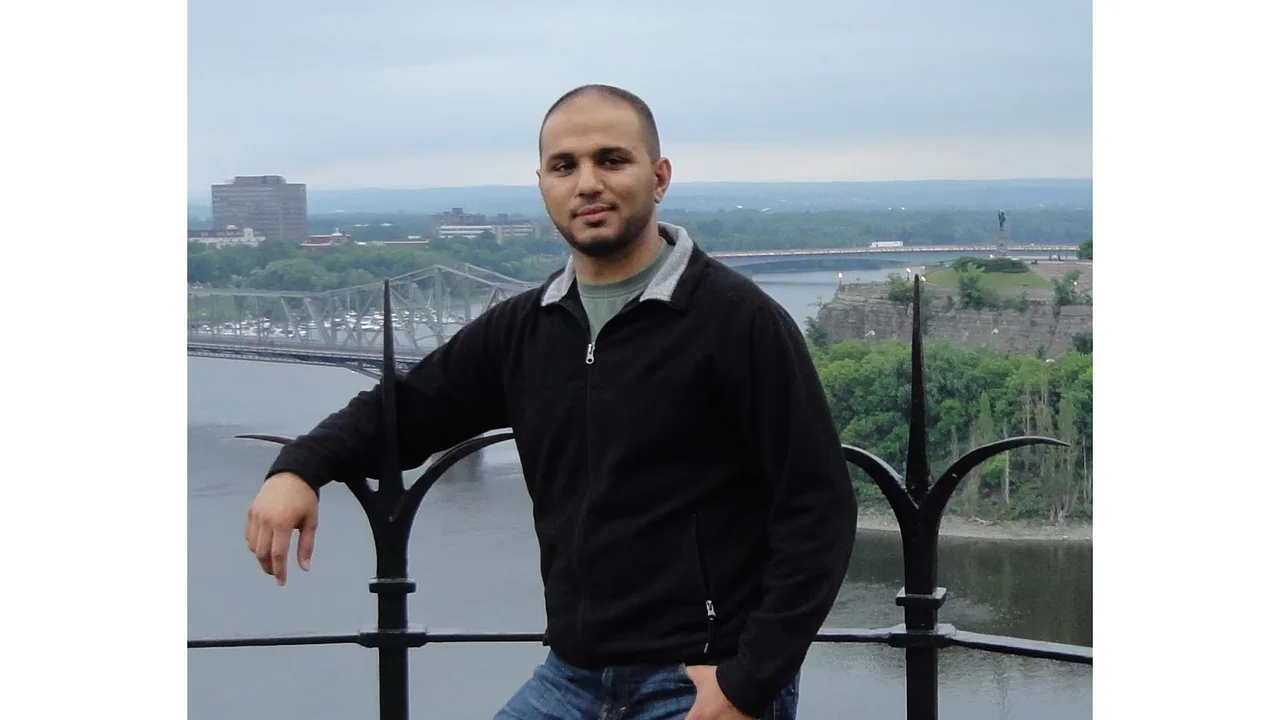
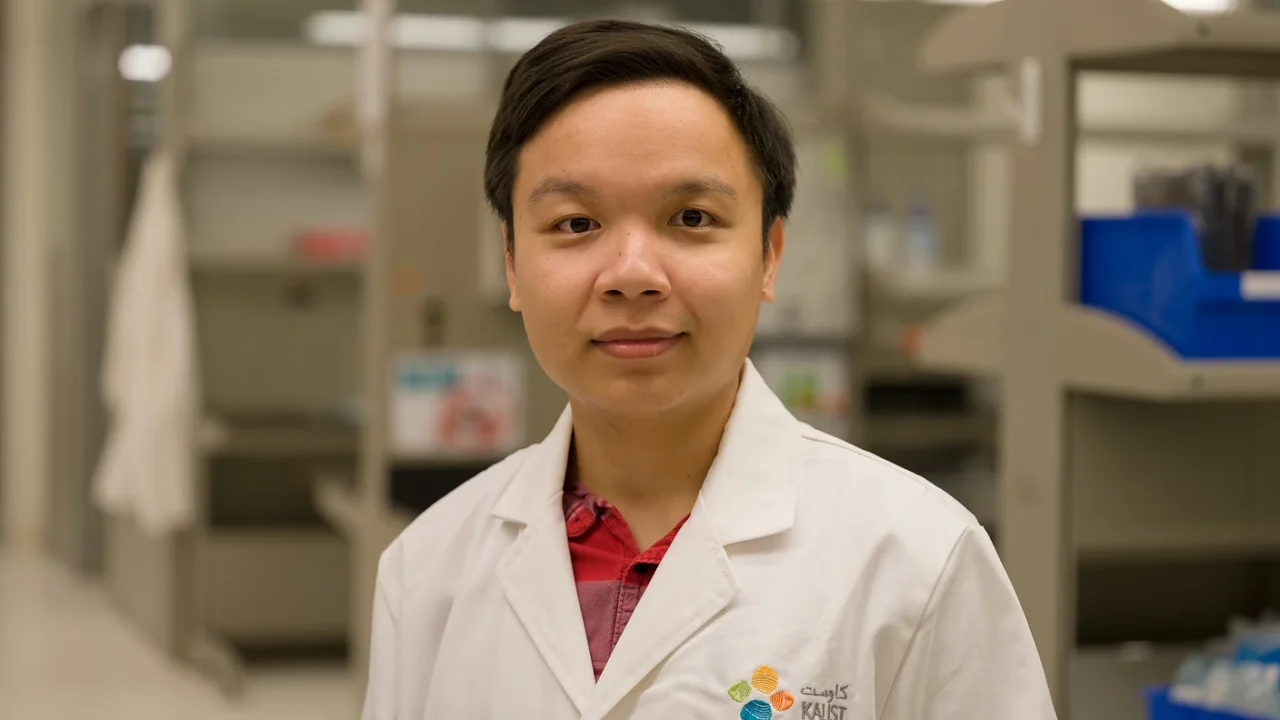
Thang Nguyen Quang
Ph.D. Student (former), Electrical and Computer Engineering
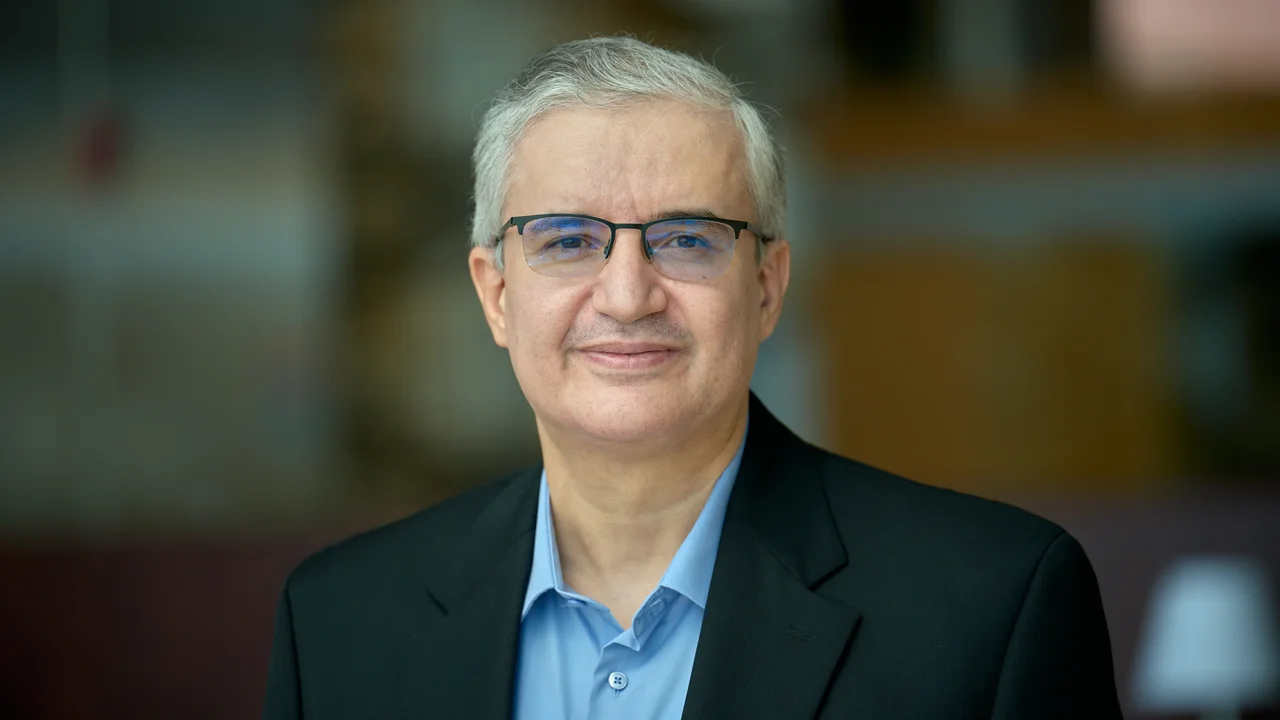
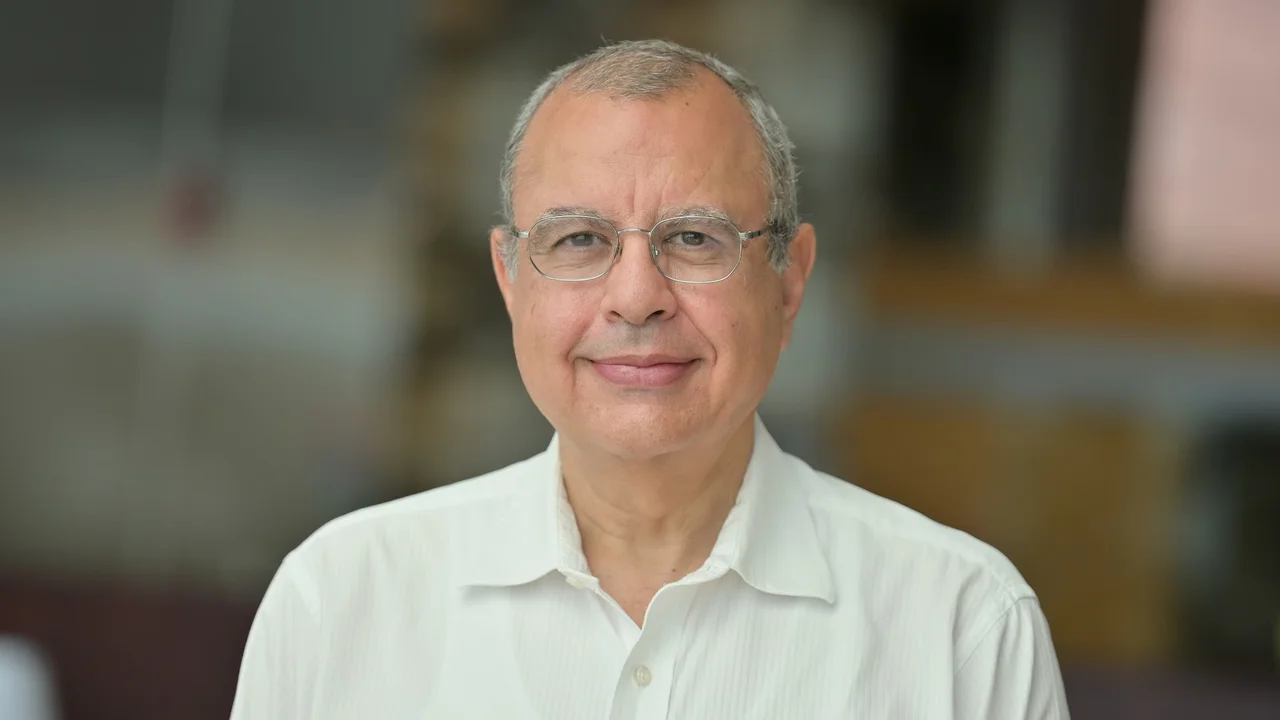
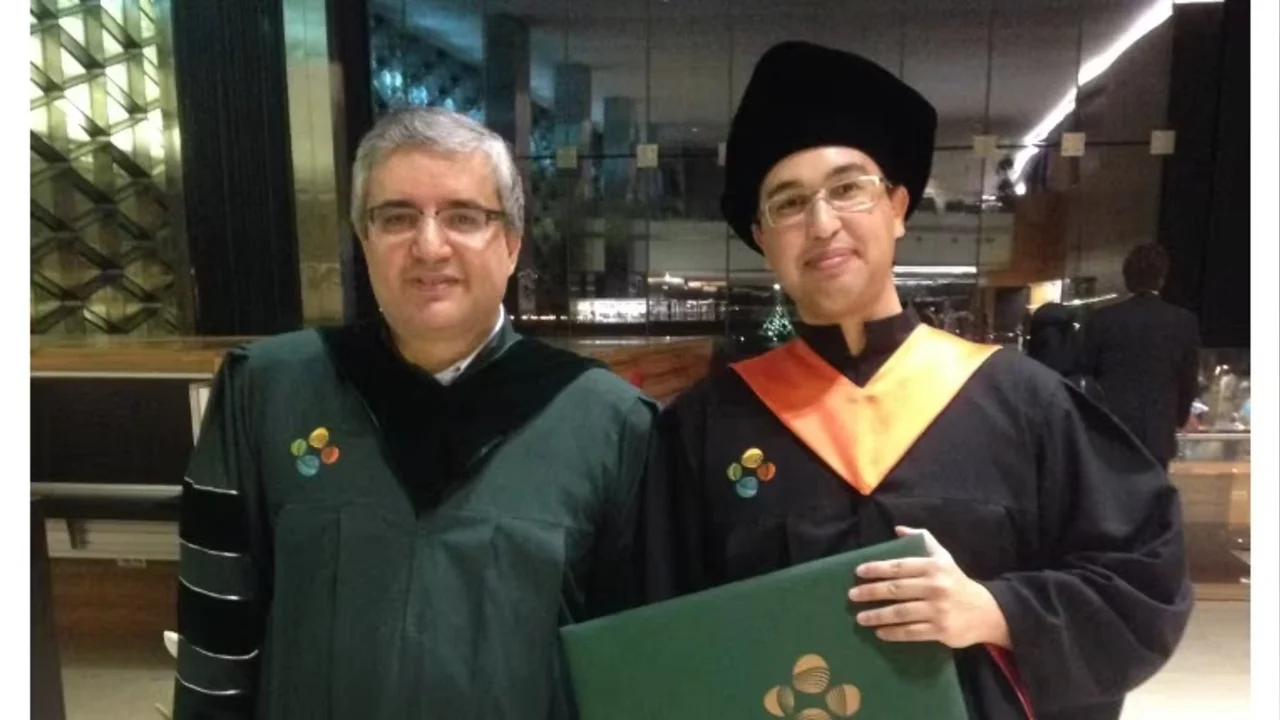
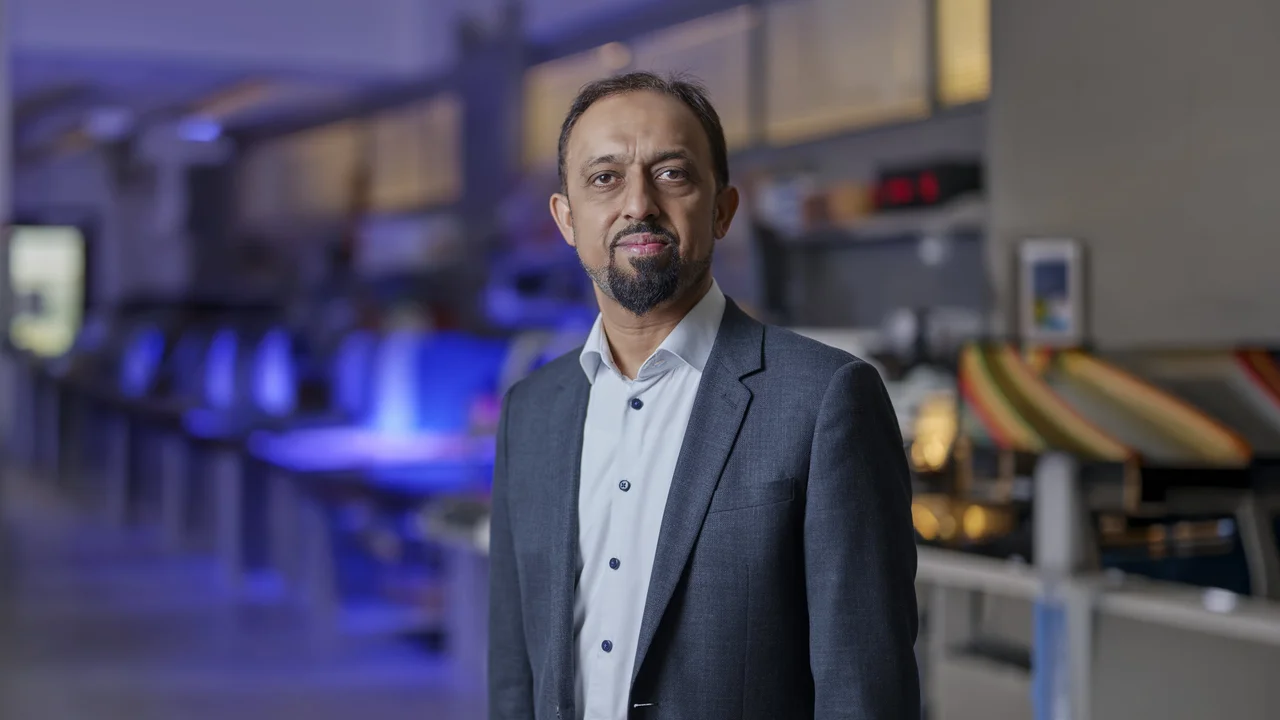
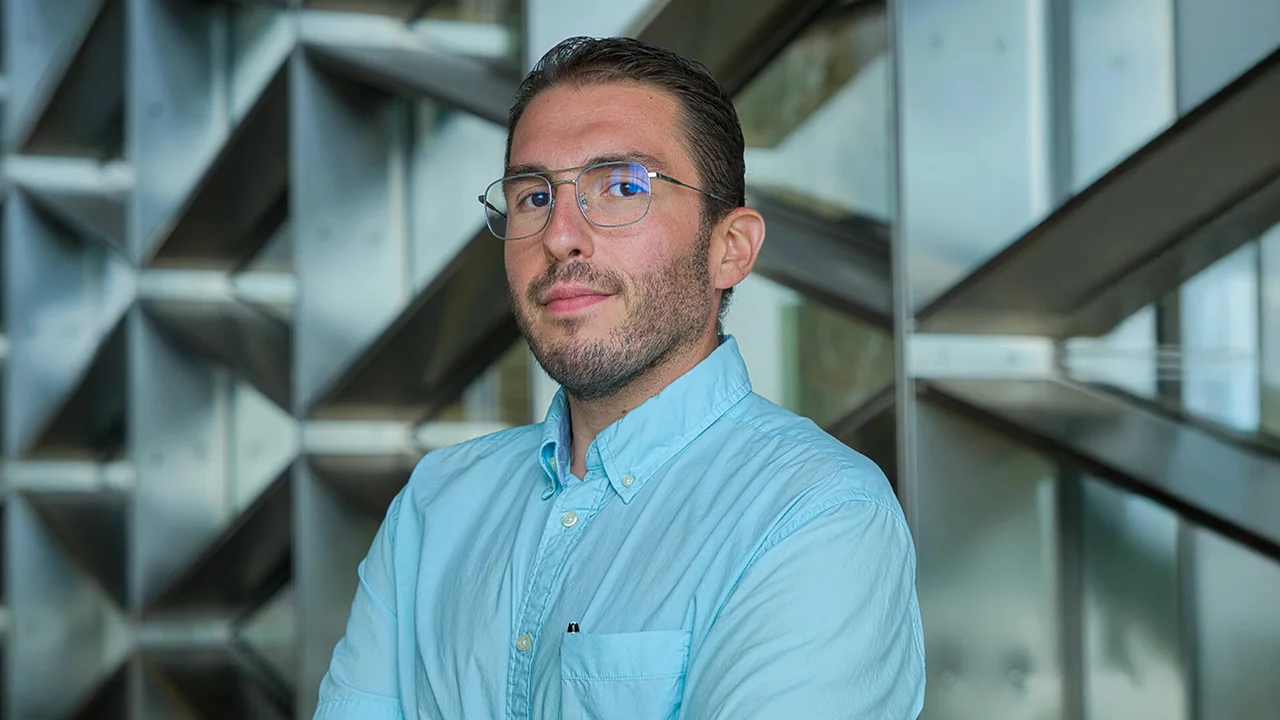
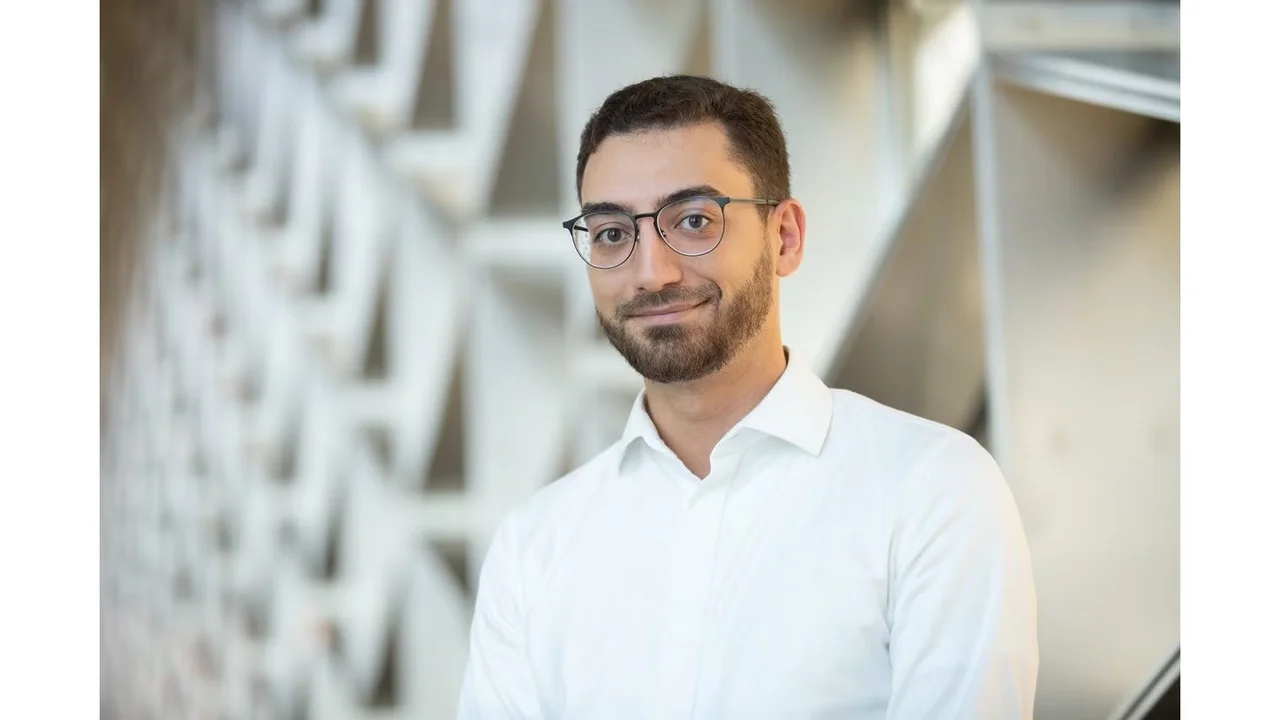
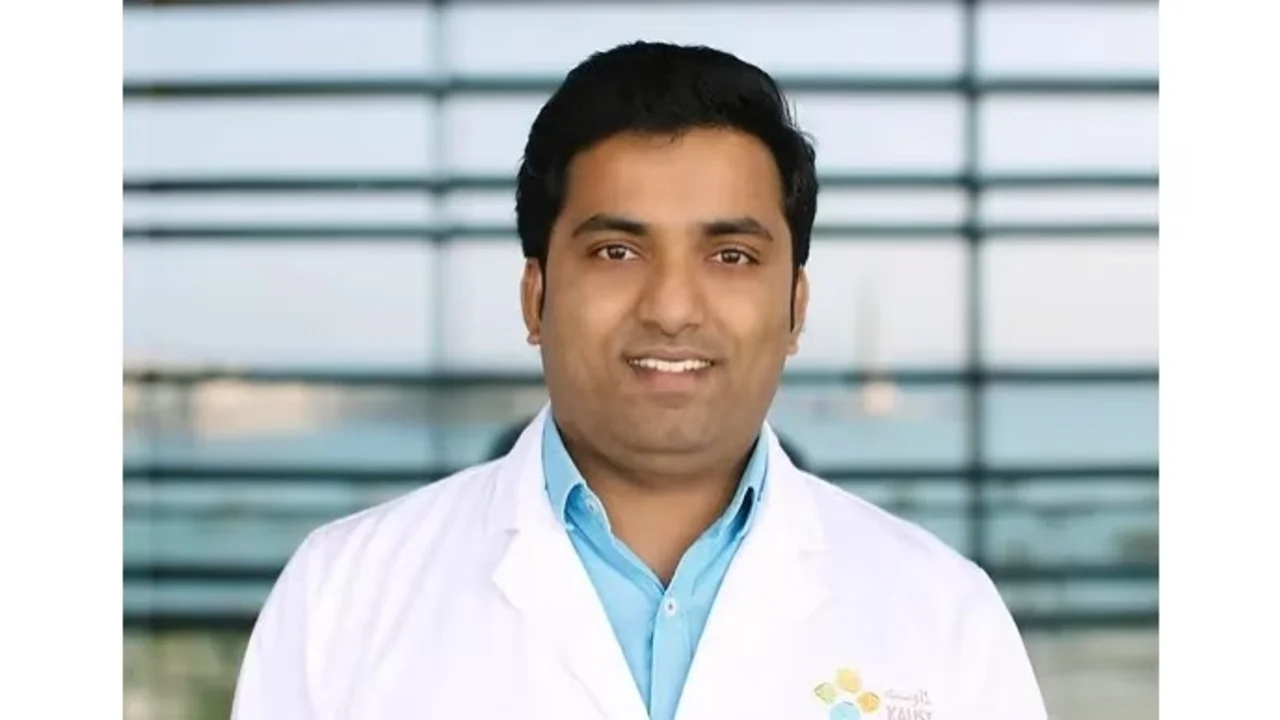
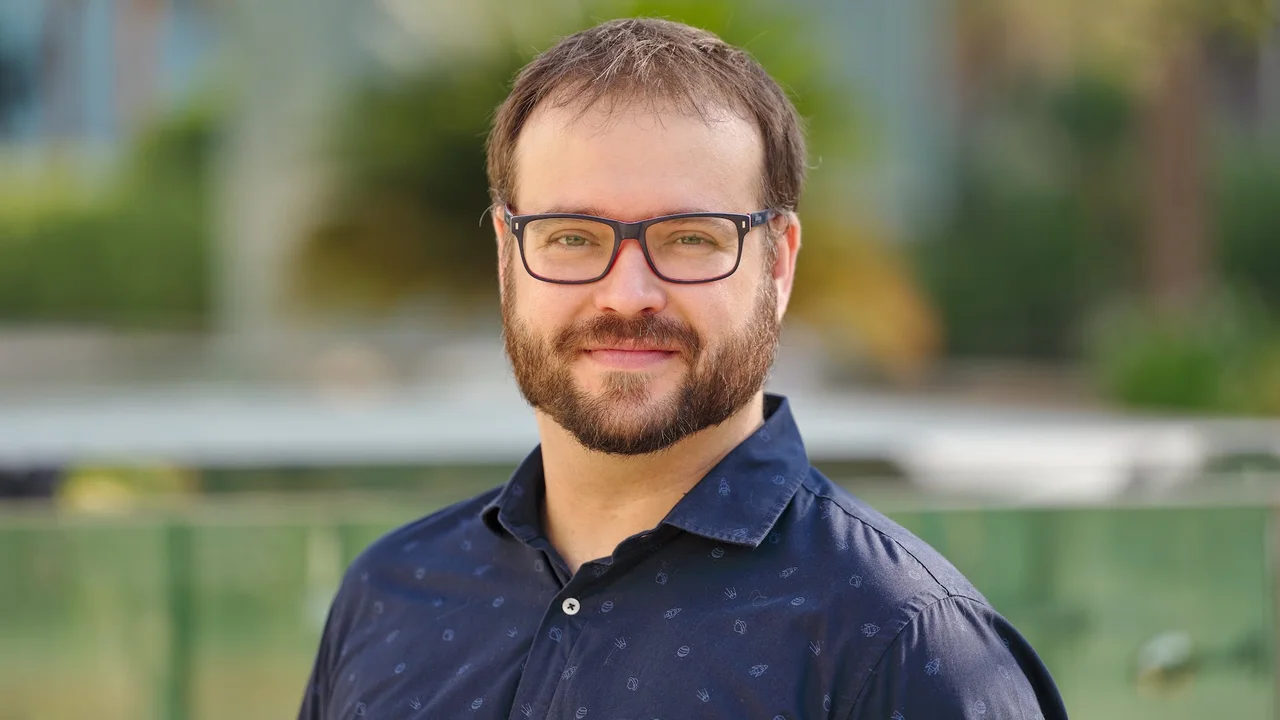
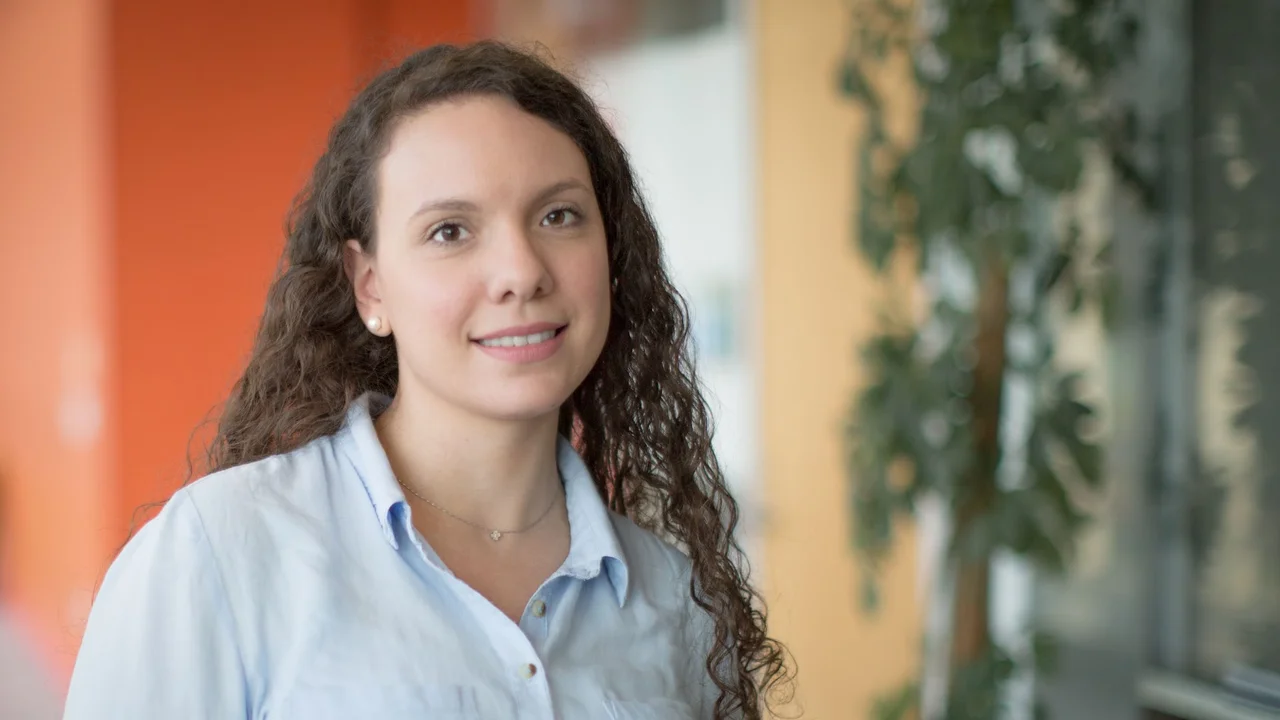
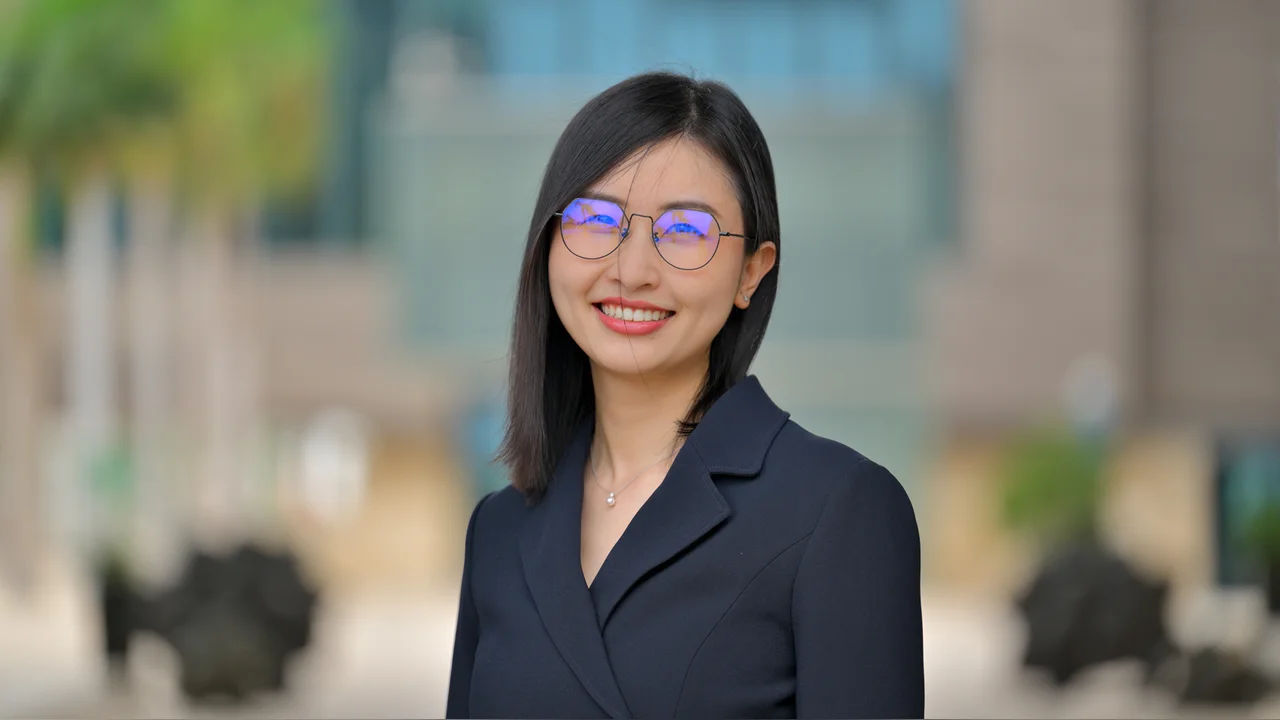
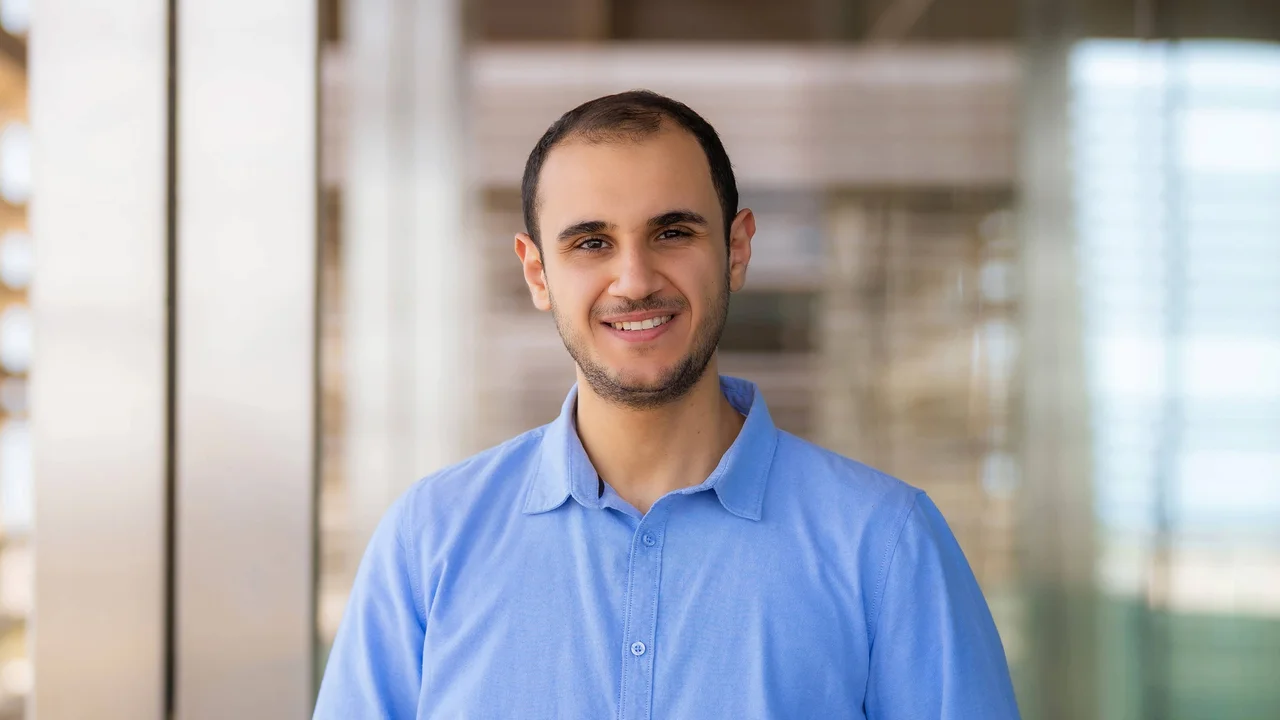
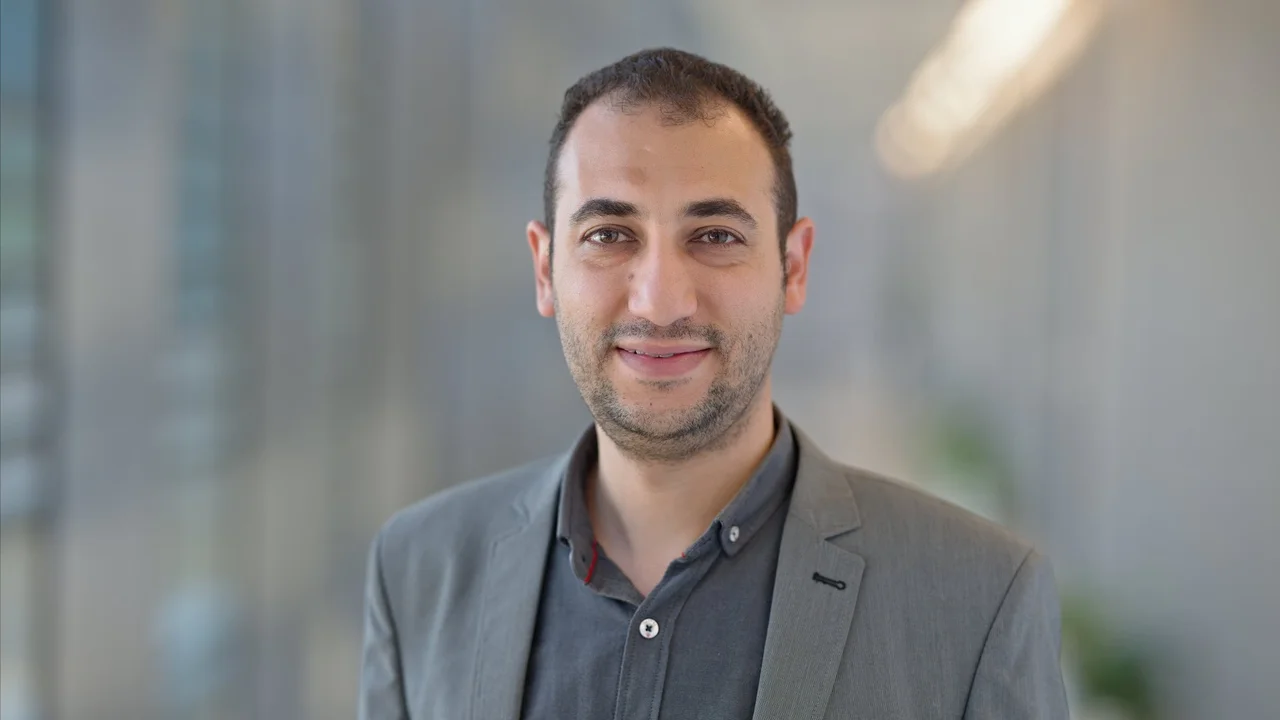
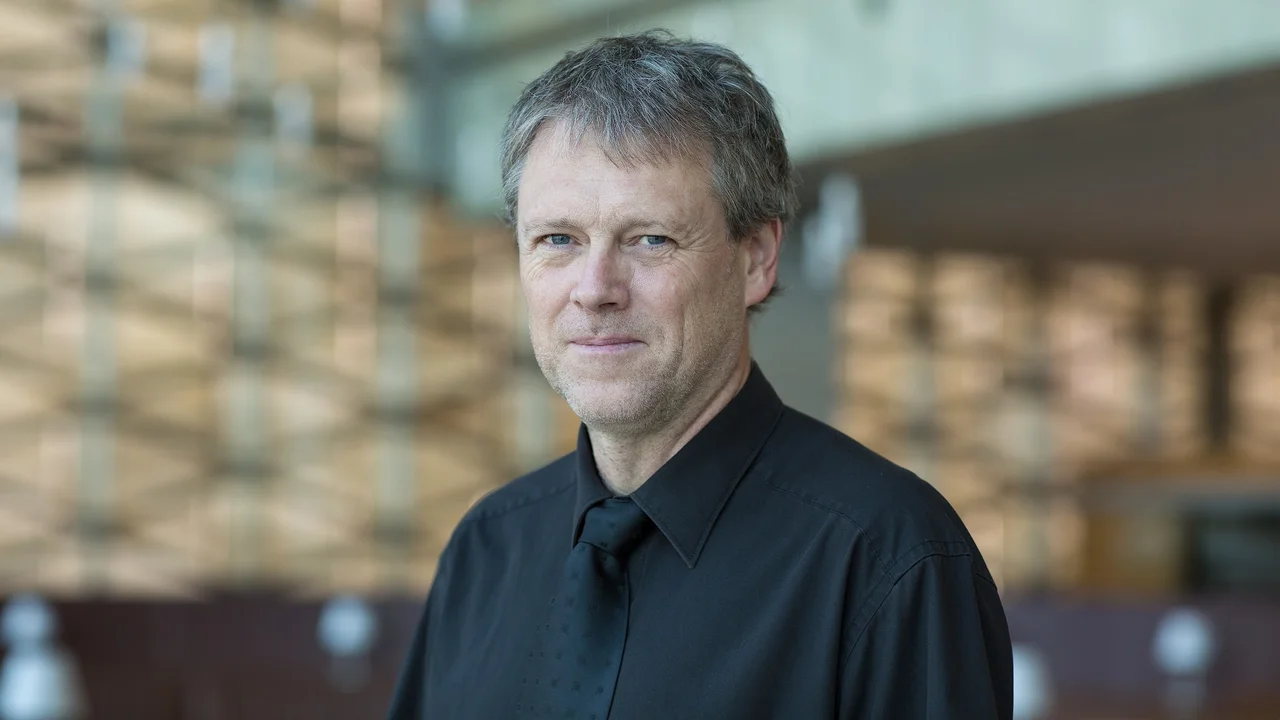
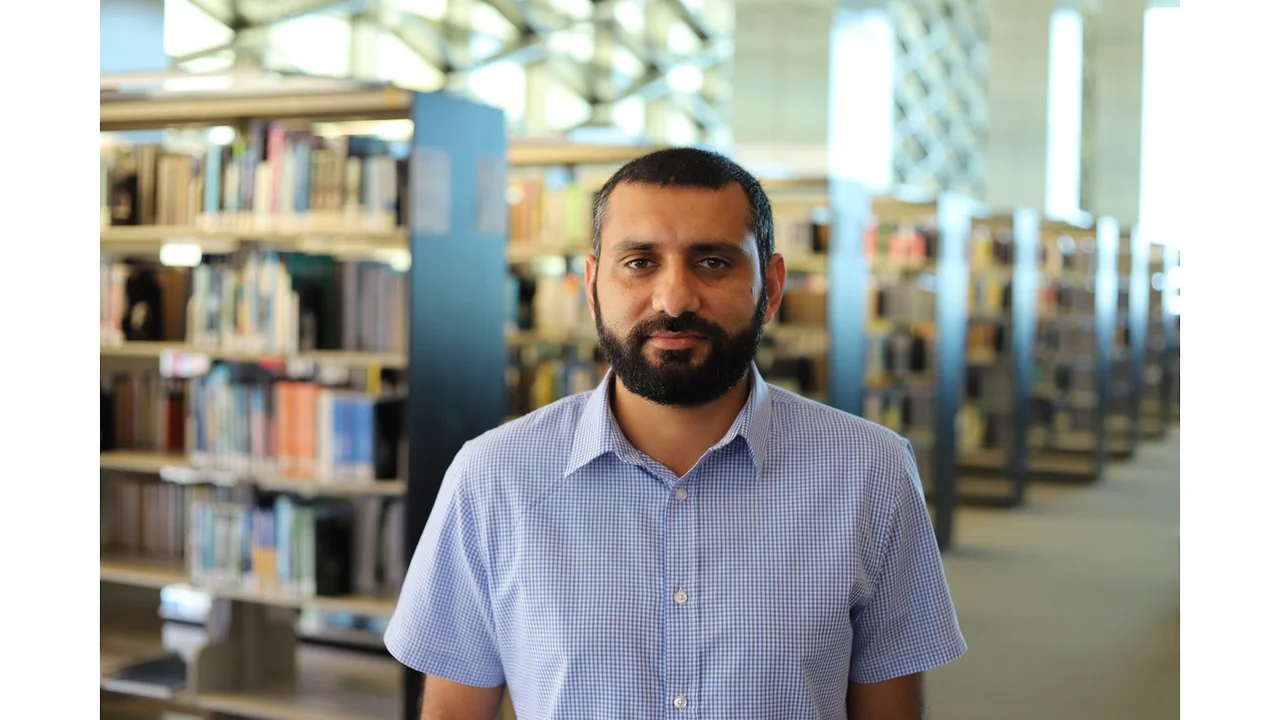
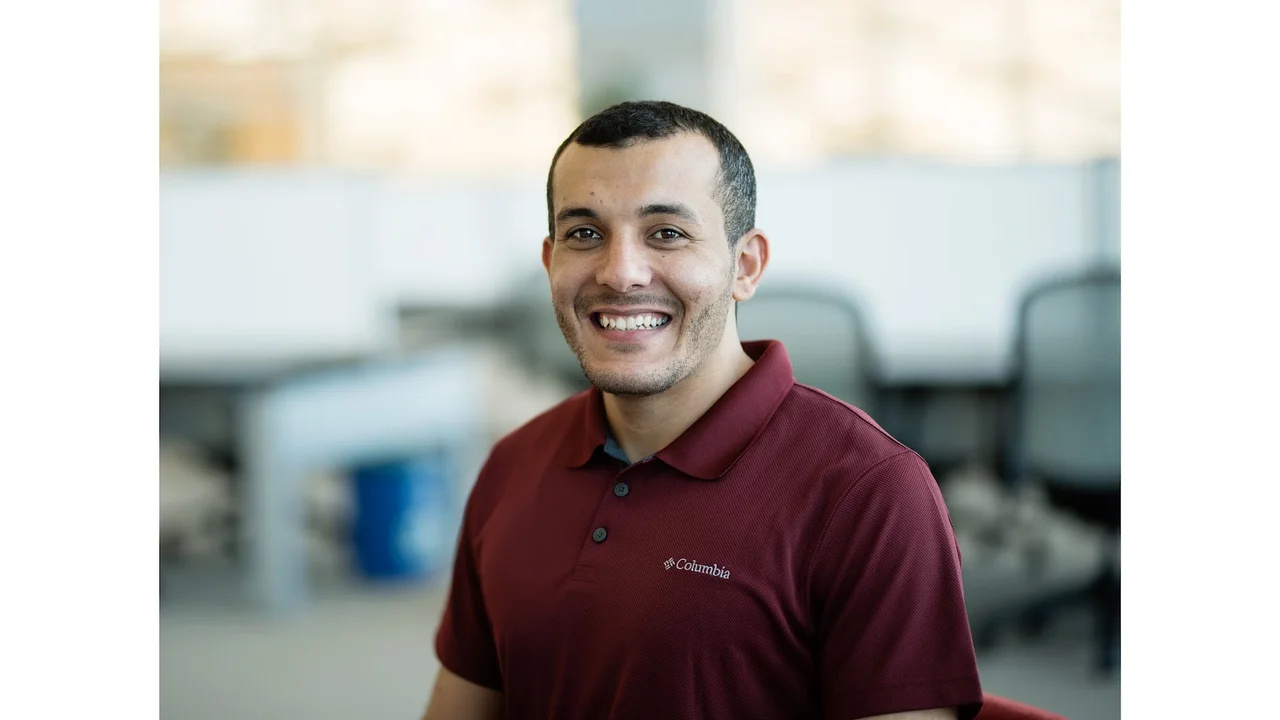
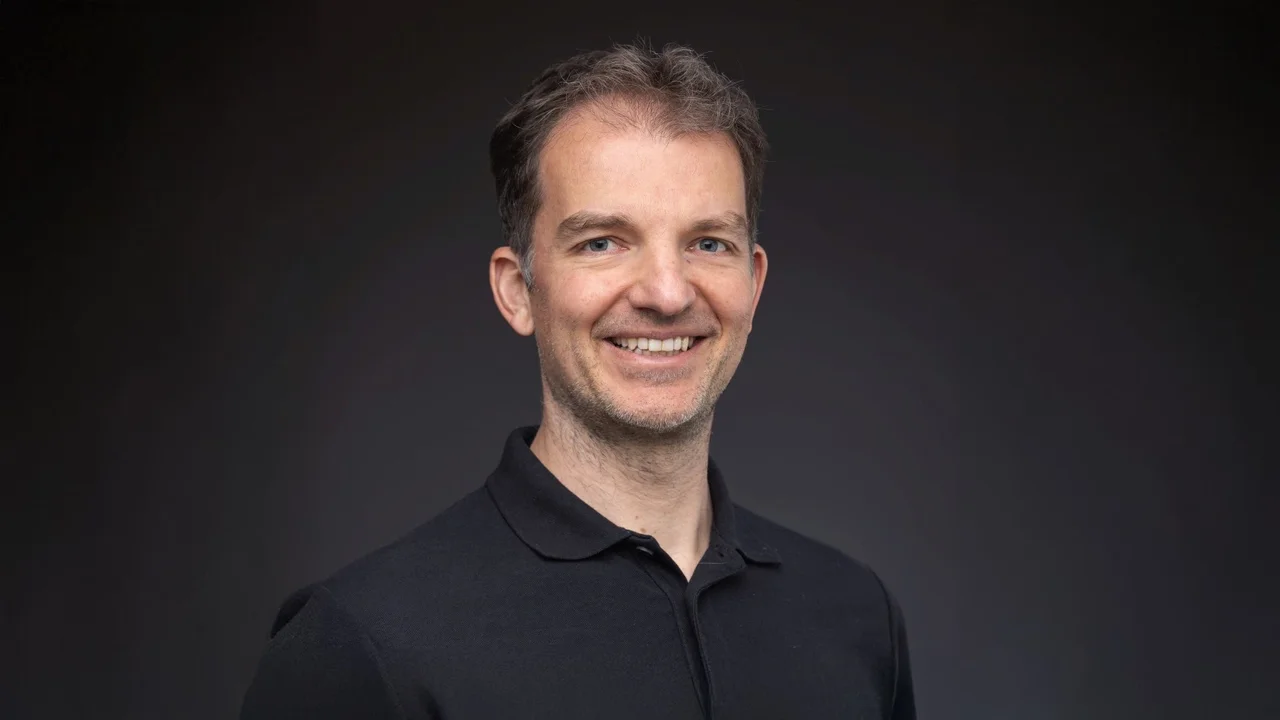
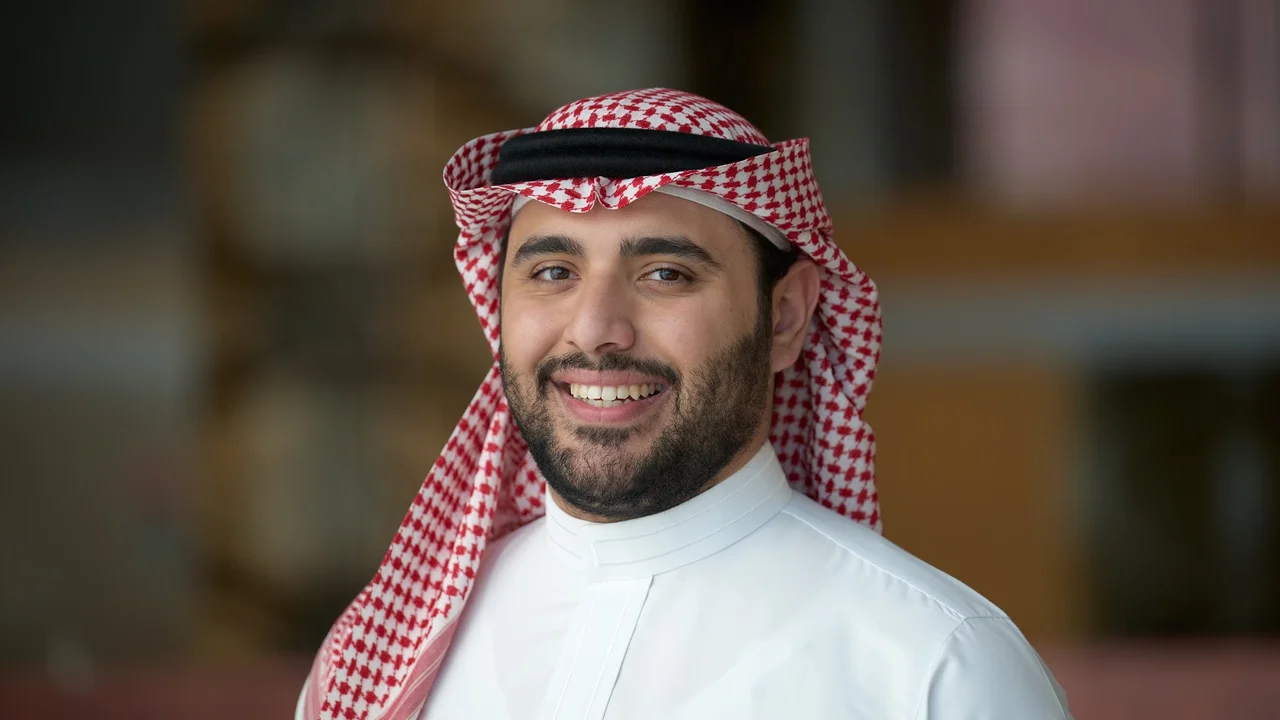
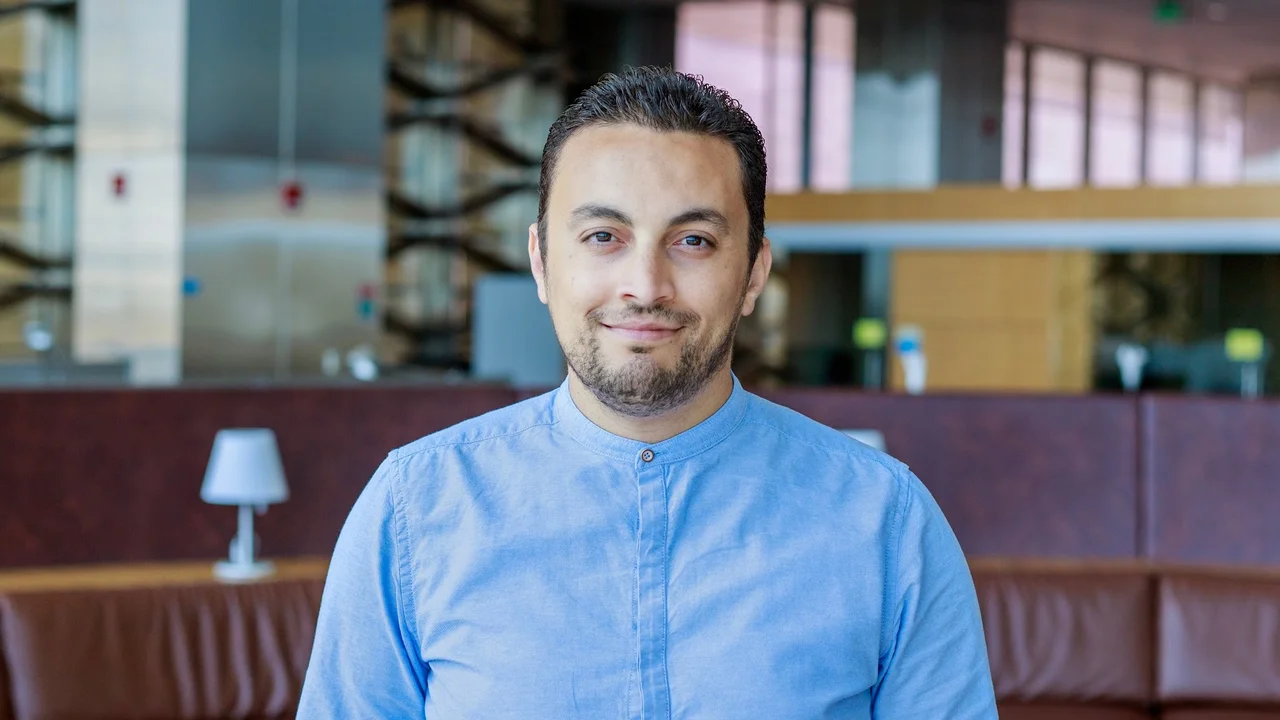
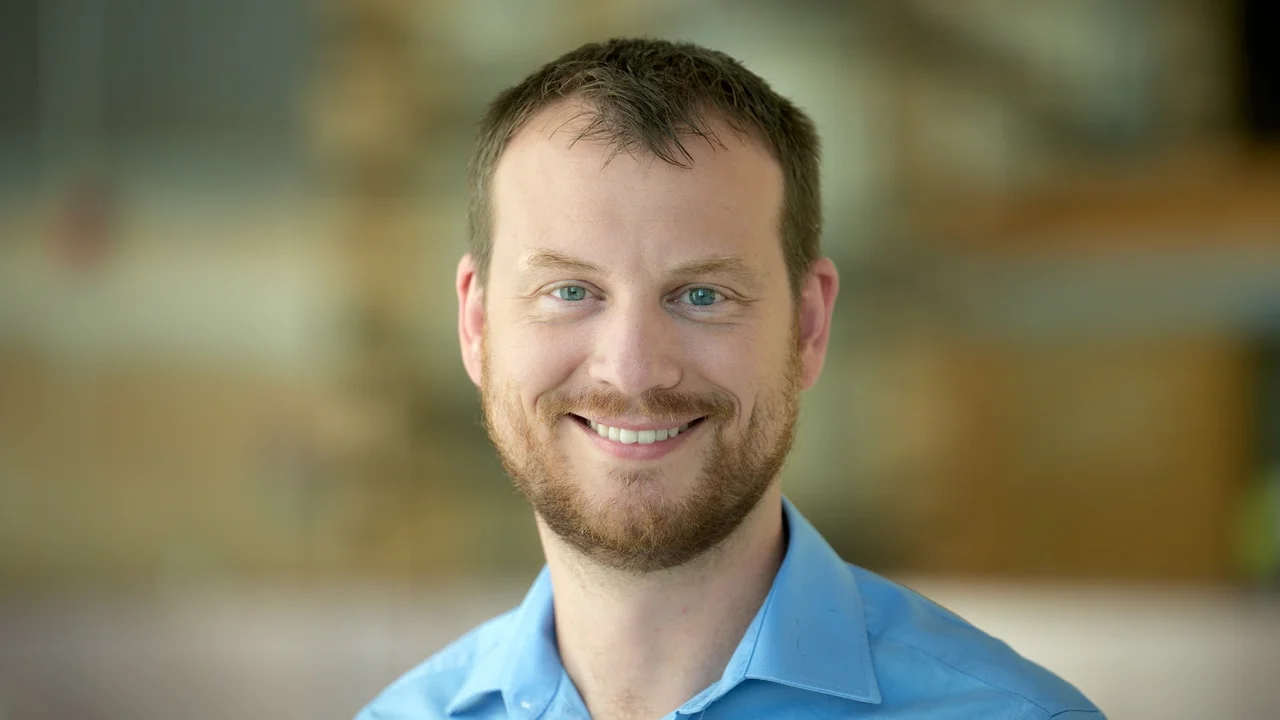
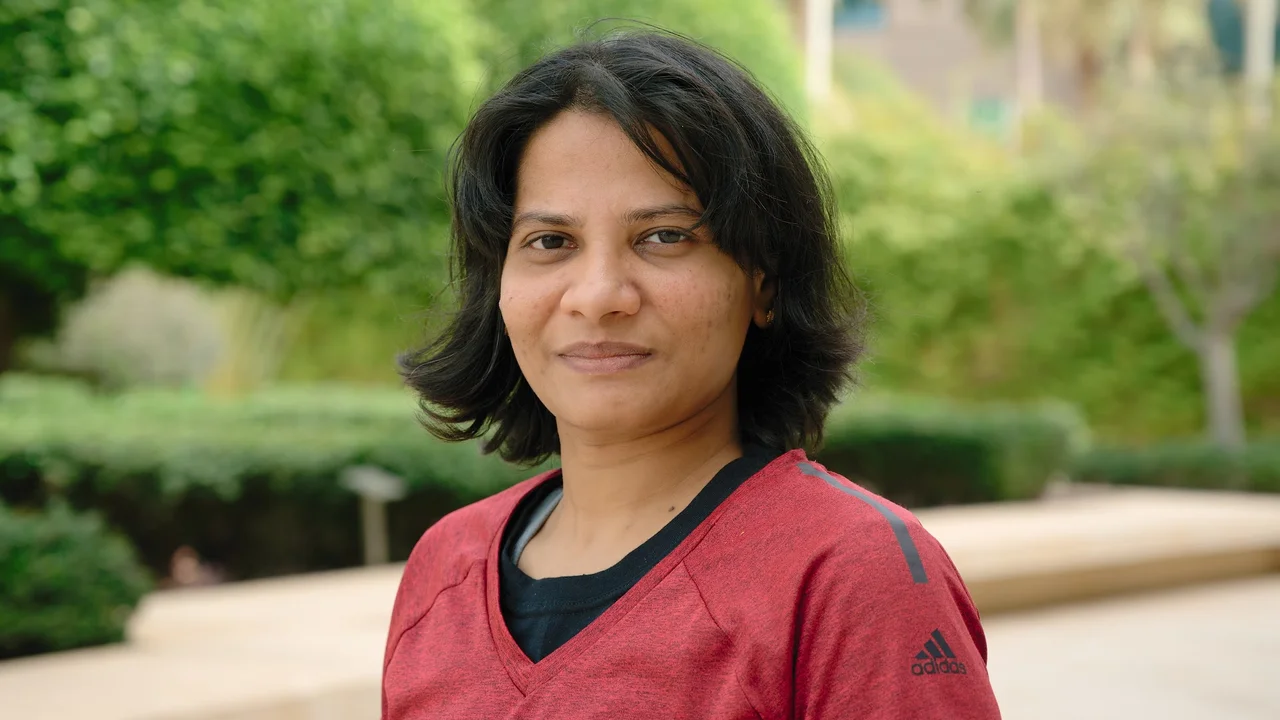
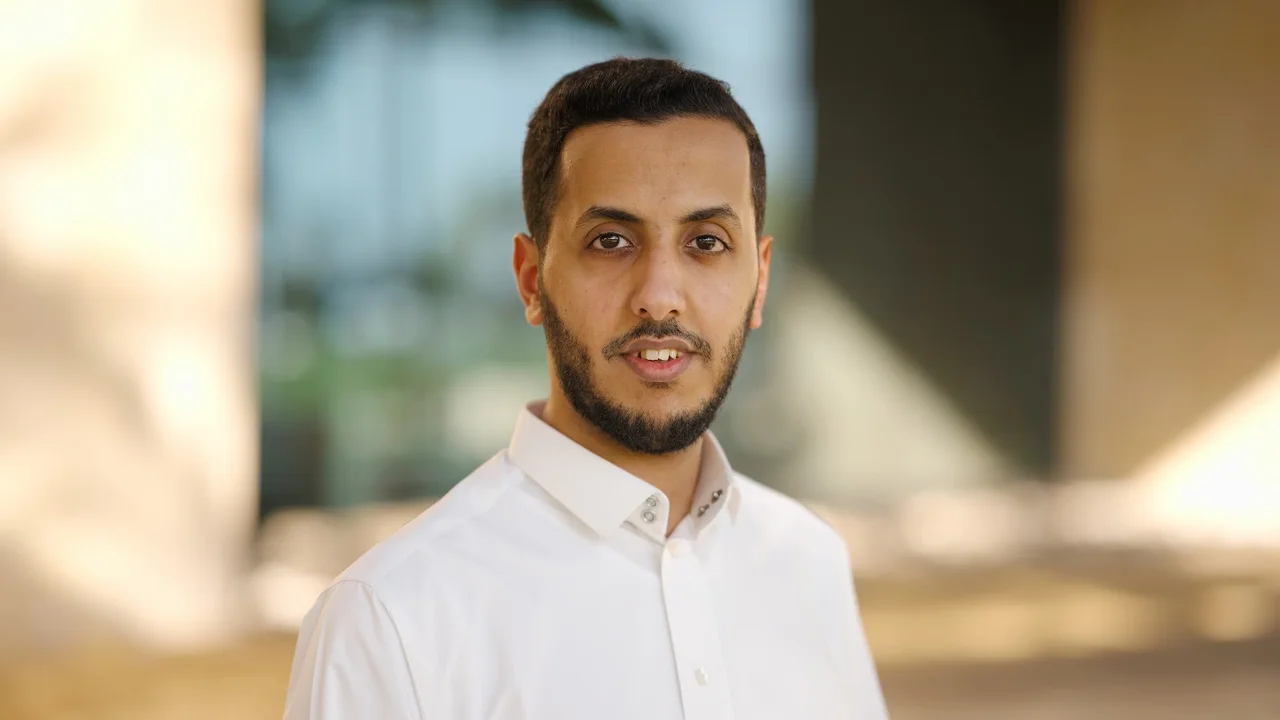
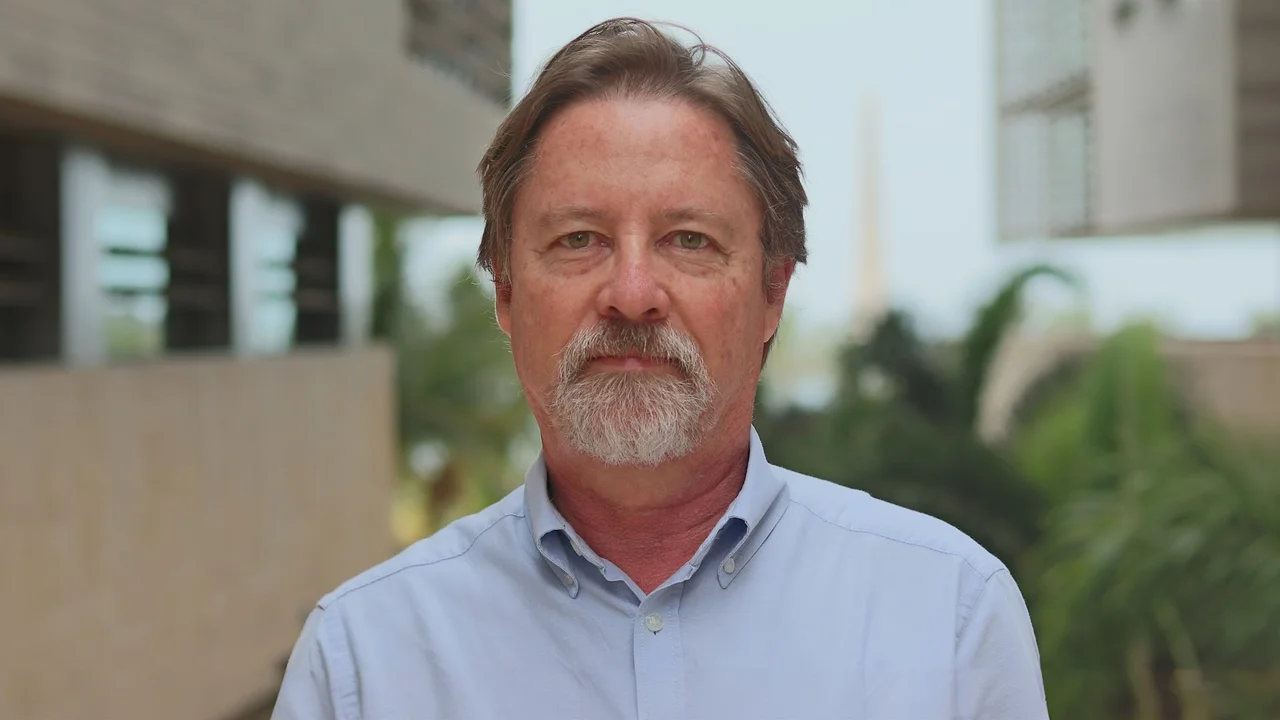
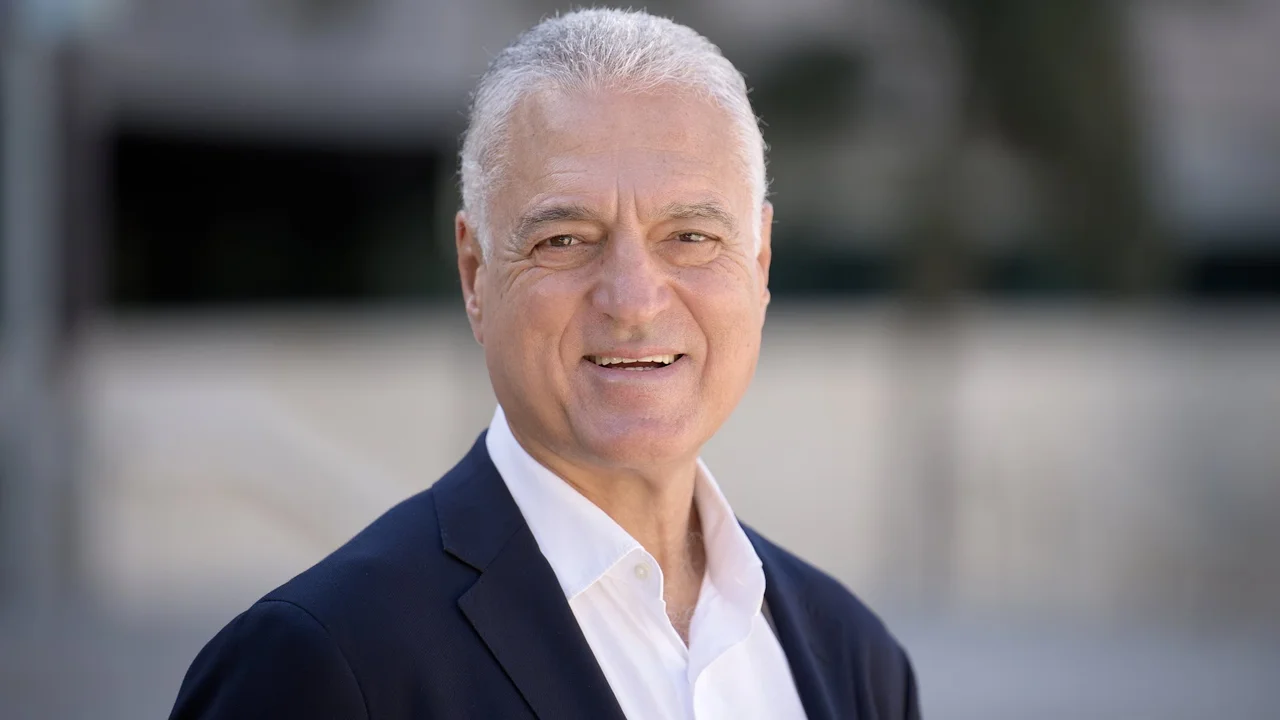
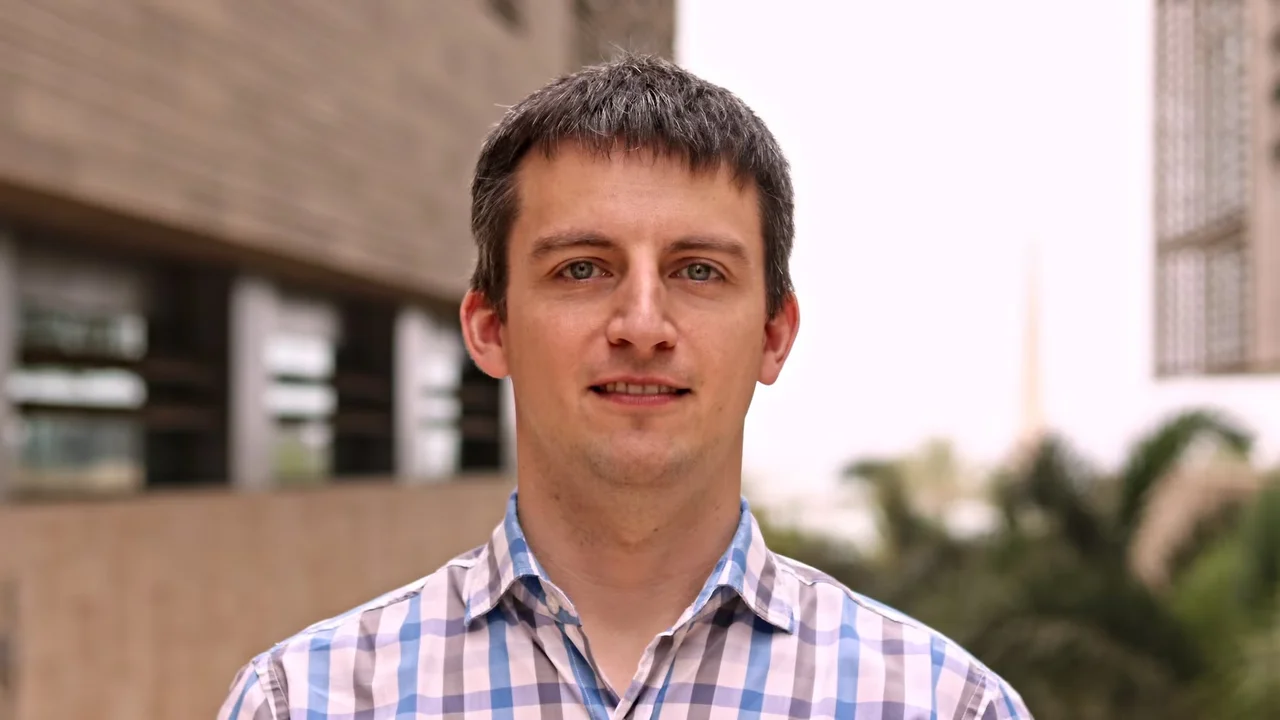
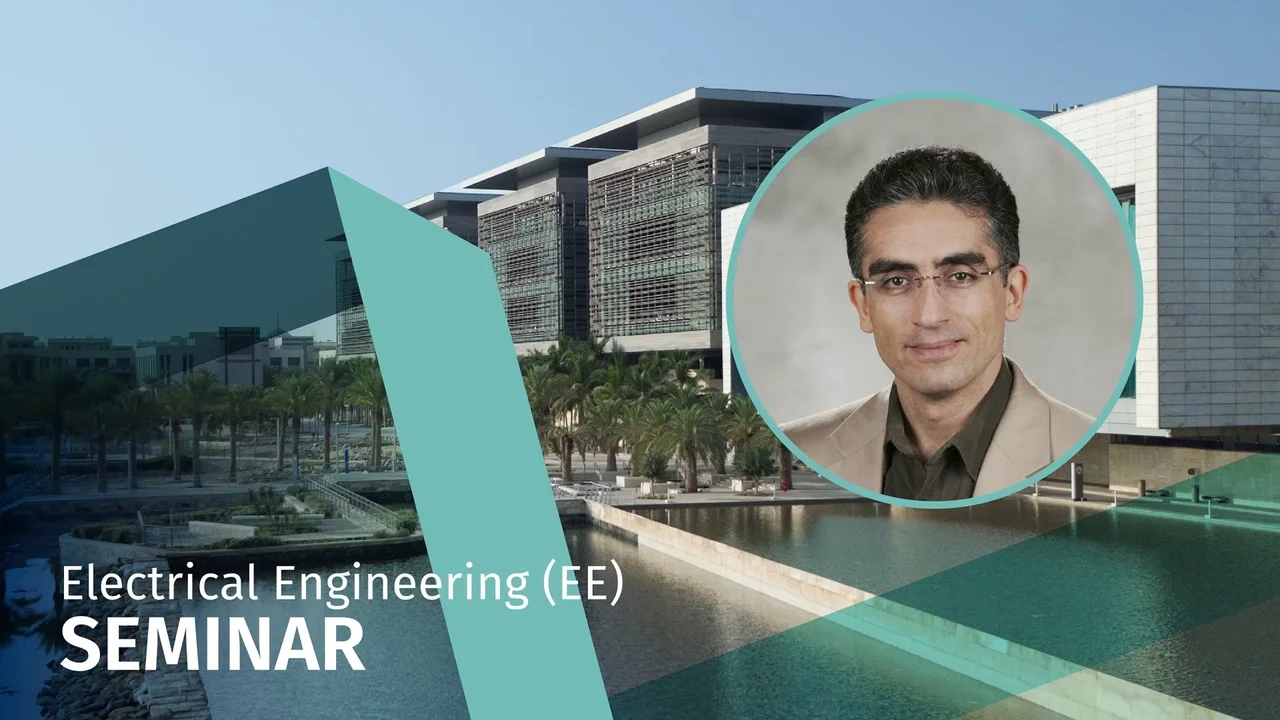
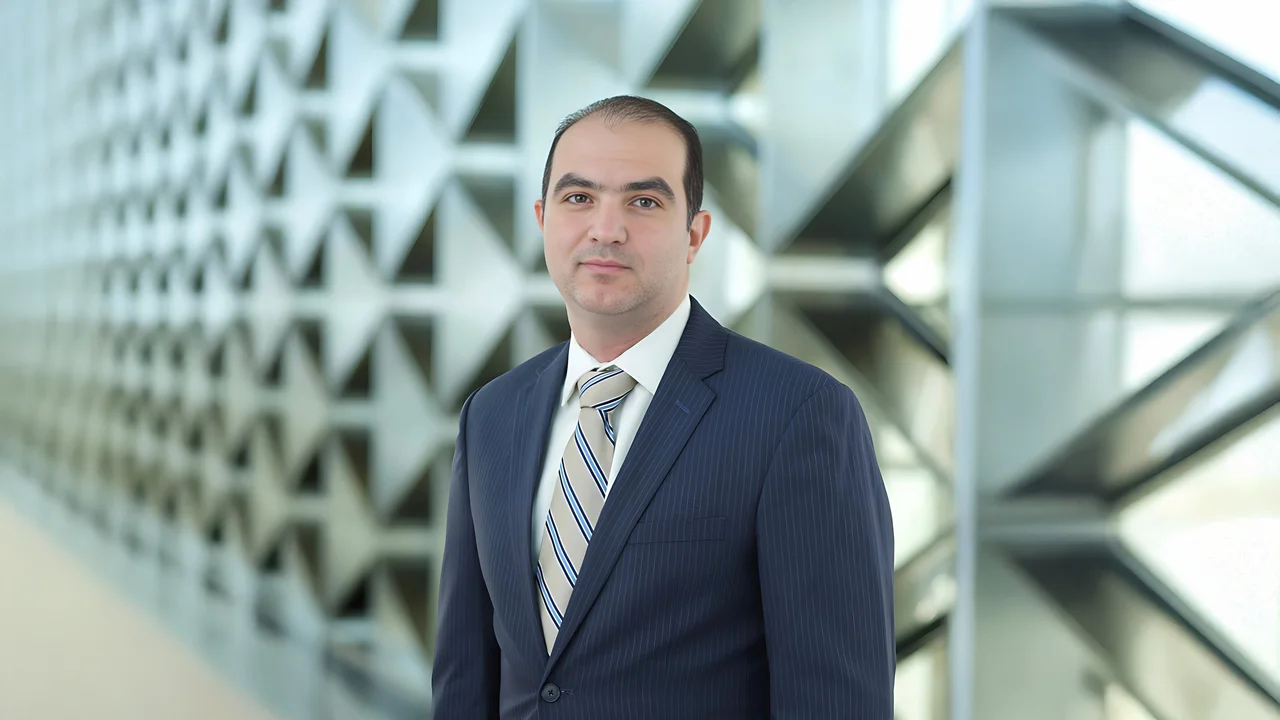
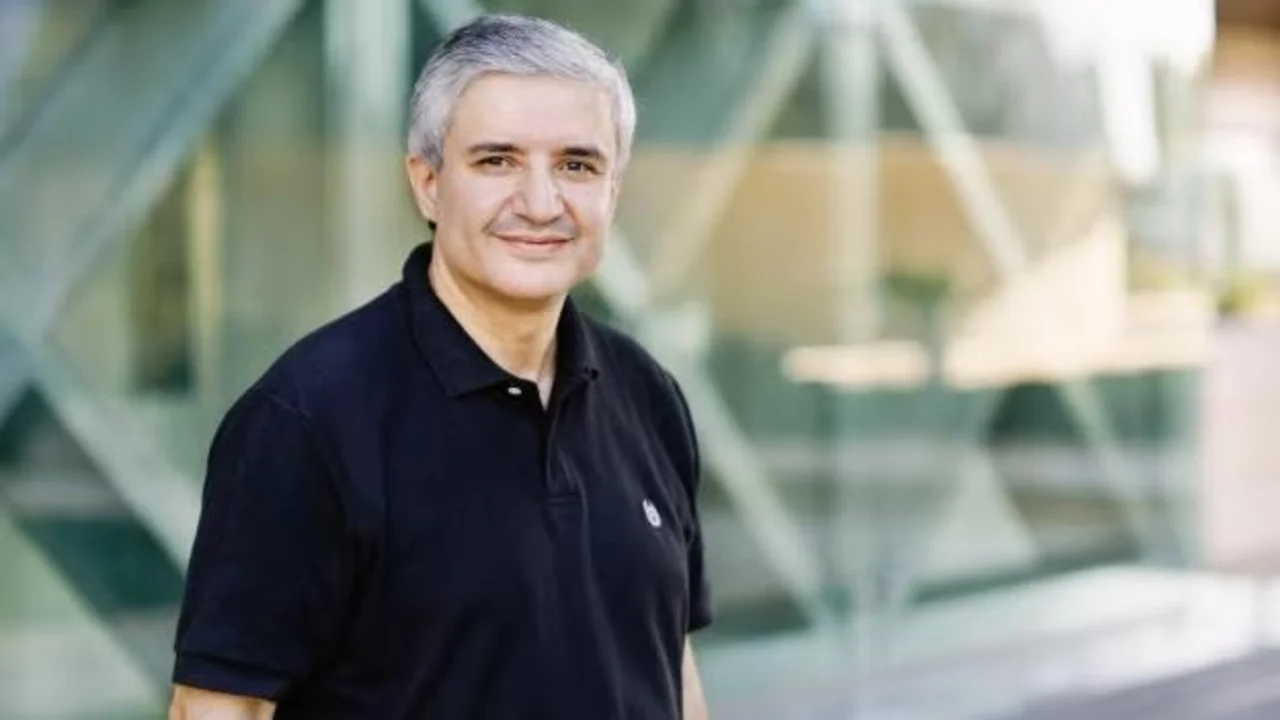
Mohamed-Slim Alouini
Al-Khawarzmi Distinguished Professor, Electrical and Computer Engineering

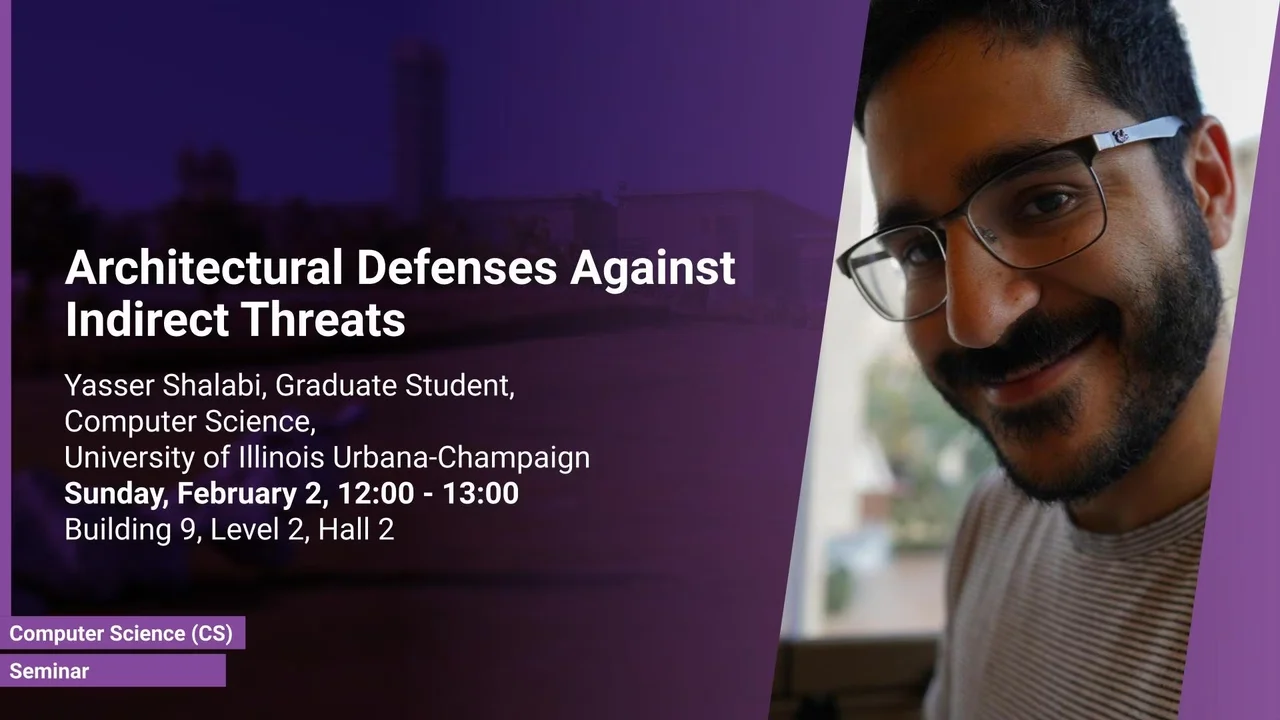
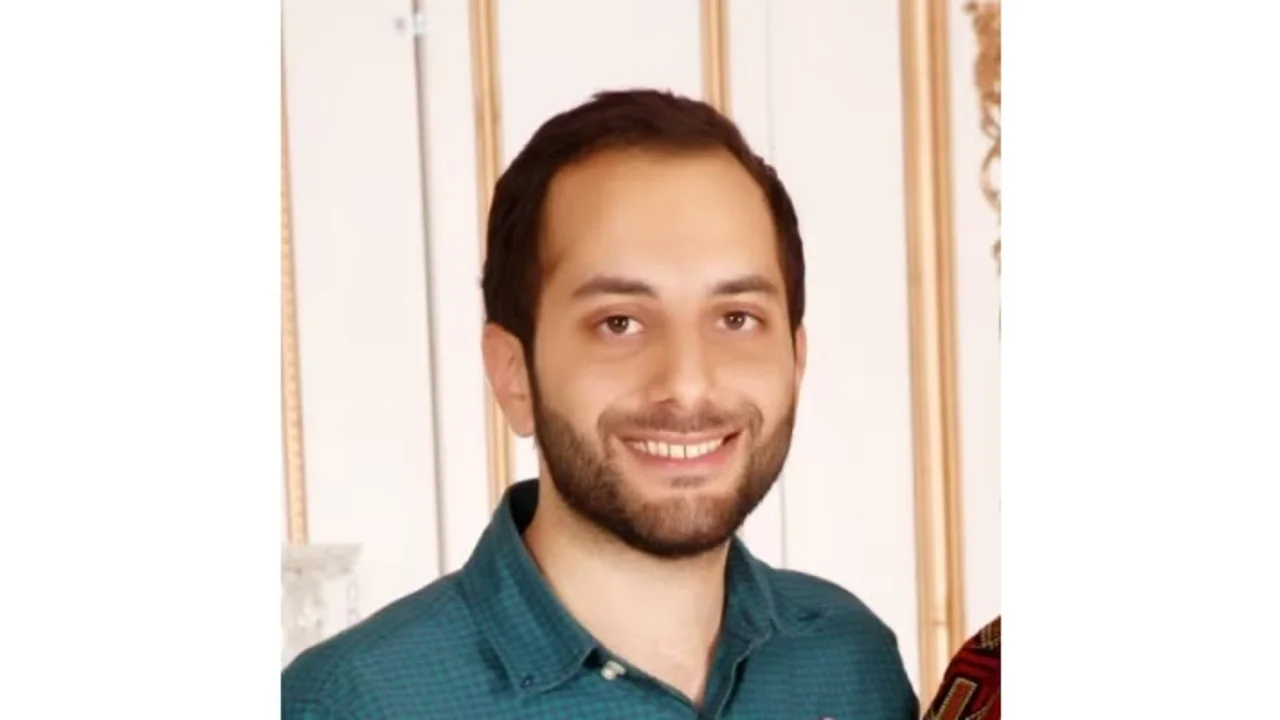
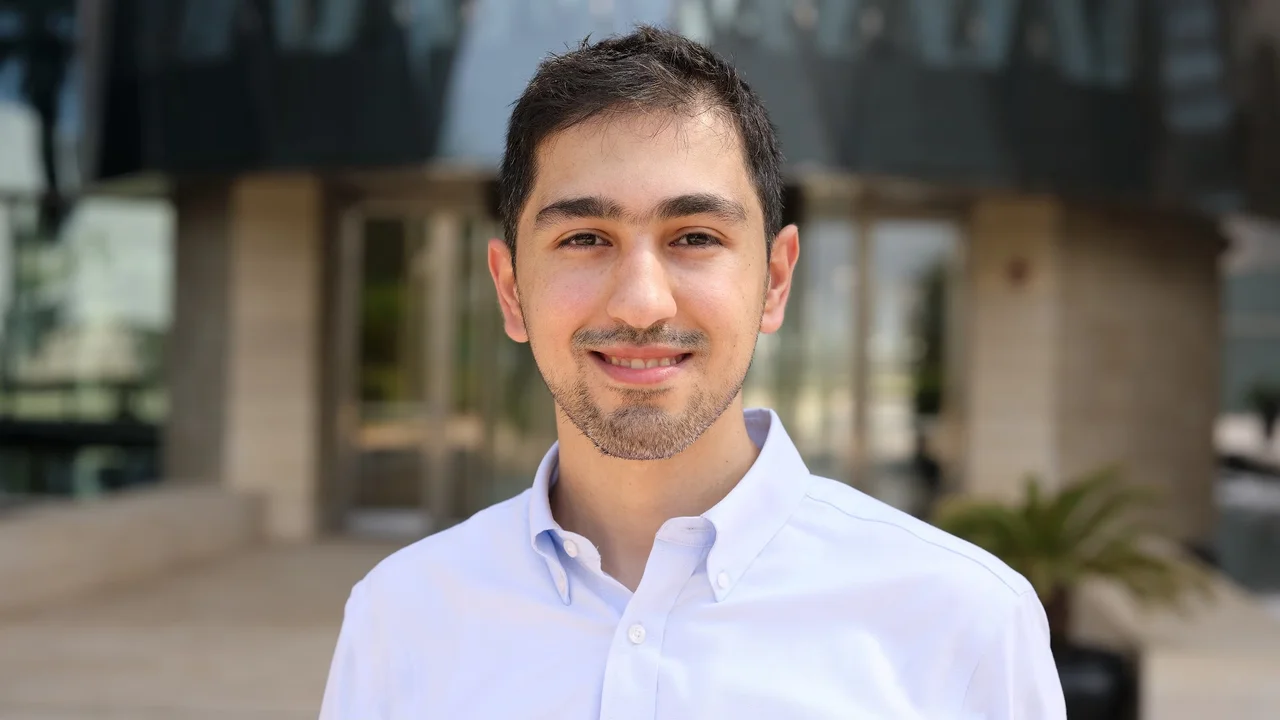
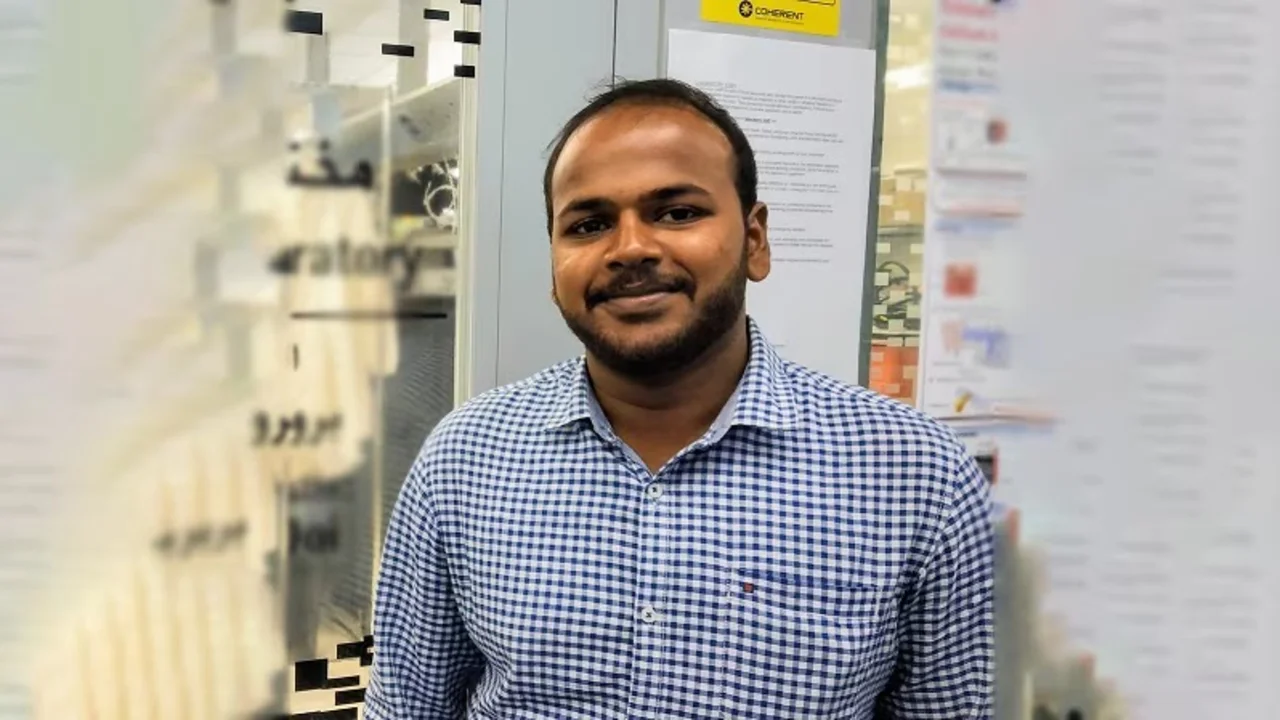
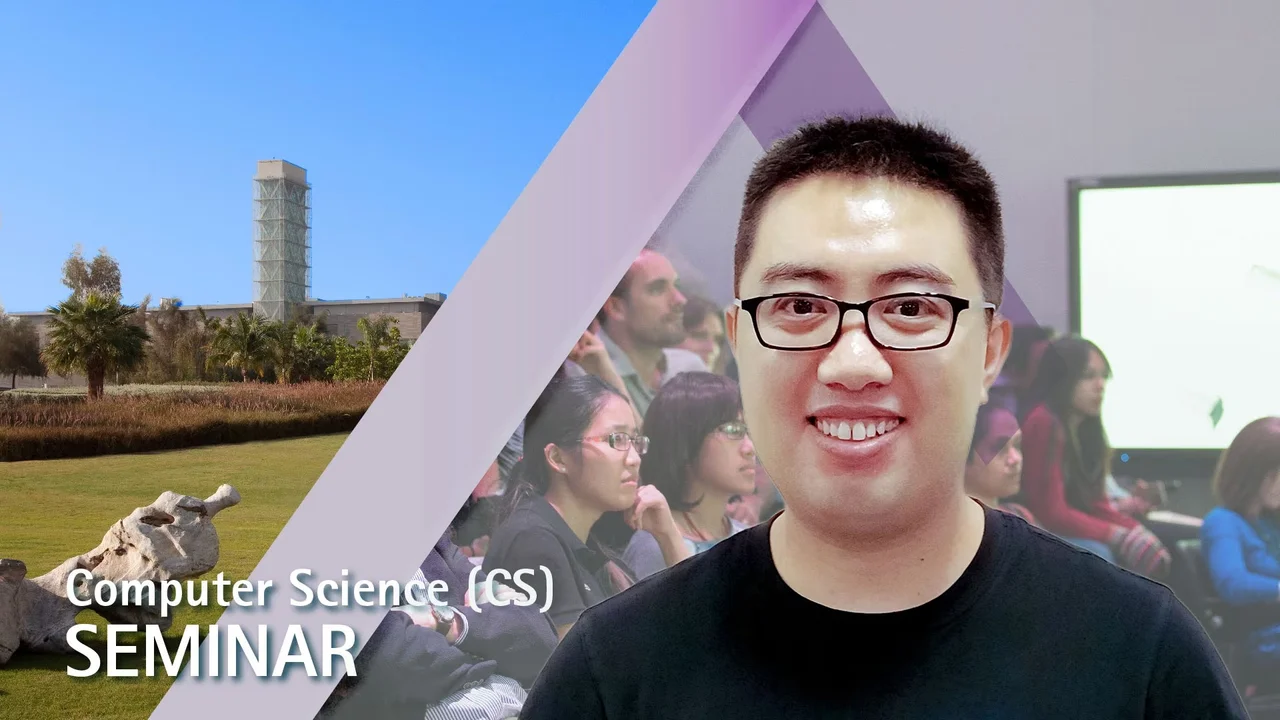
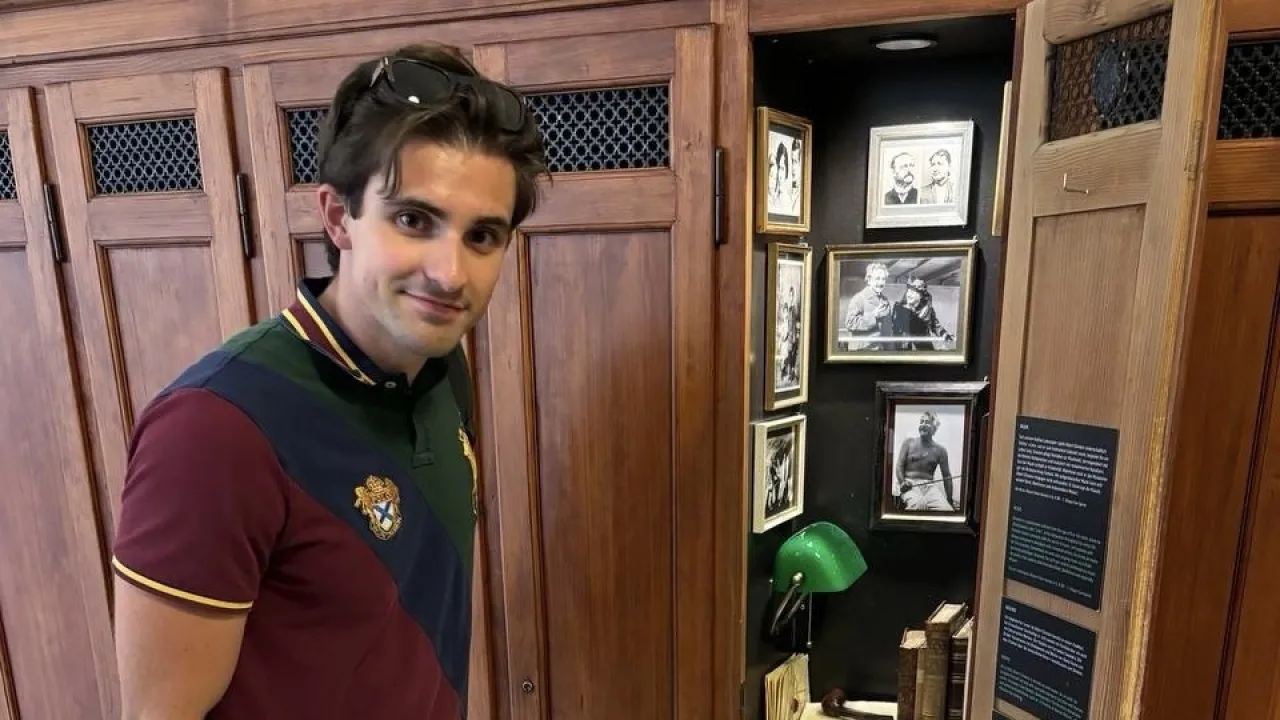
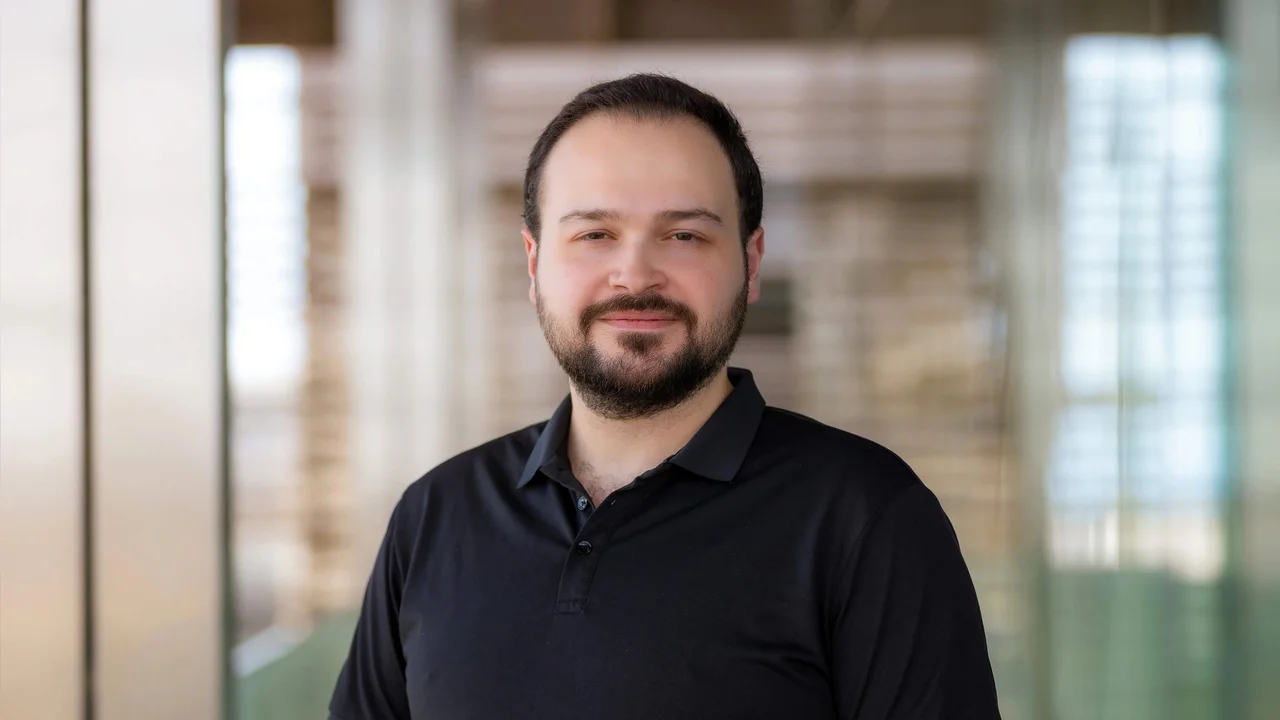
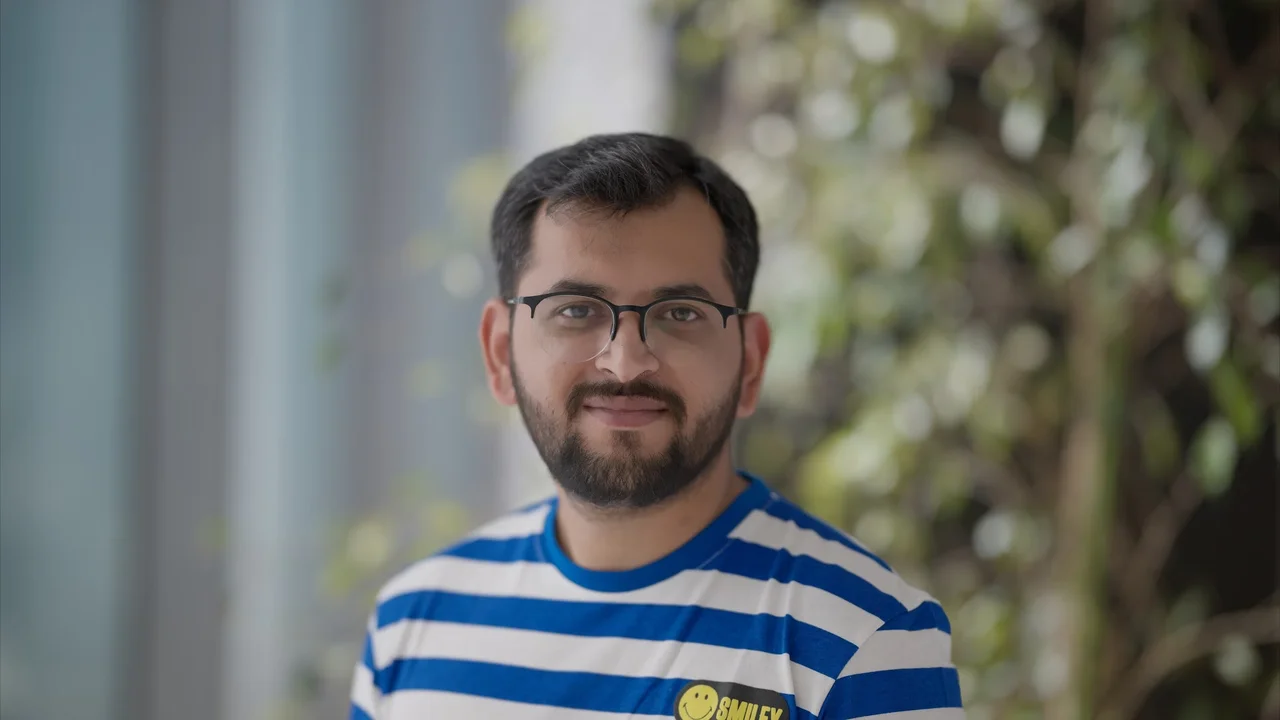
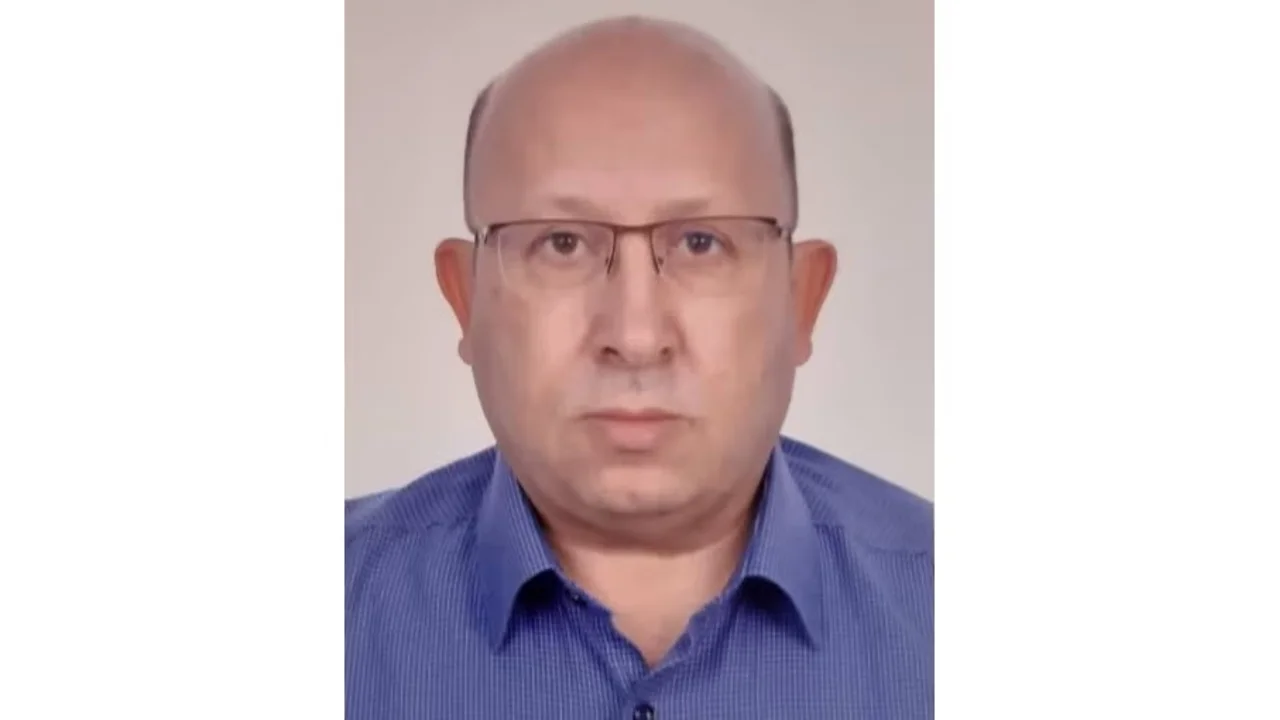
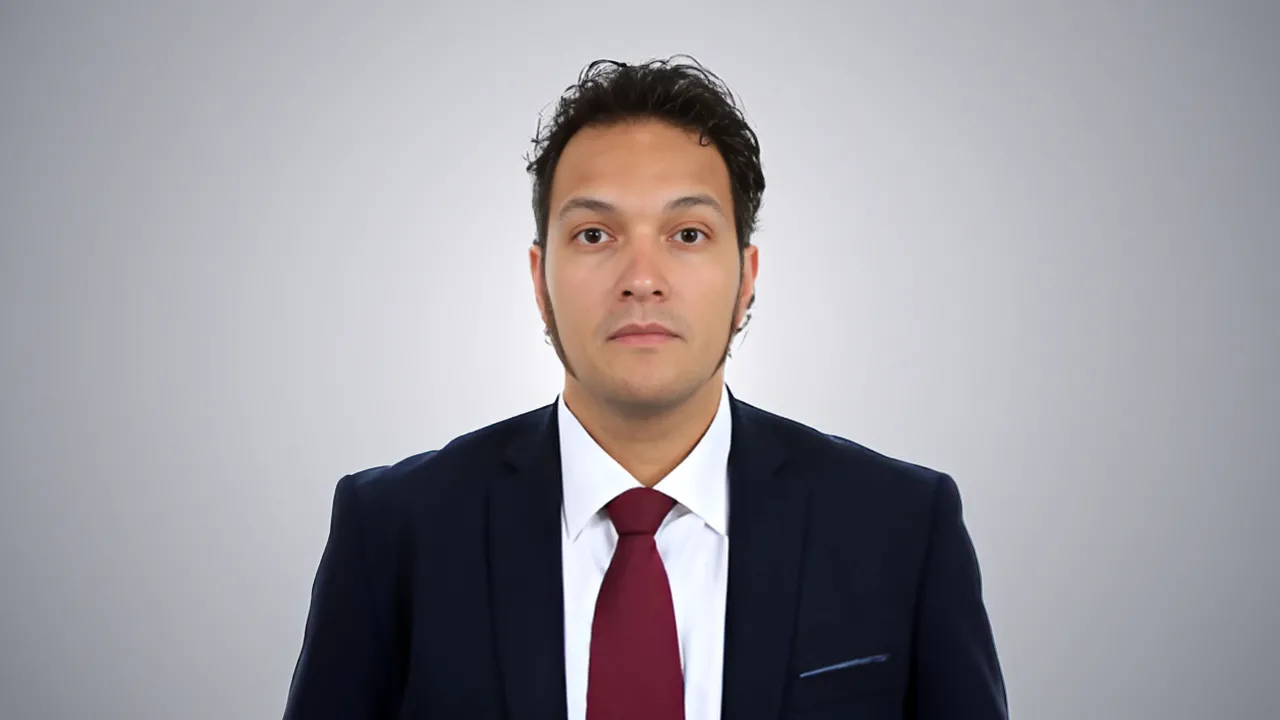
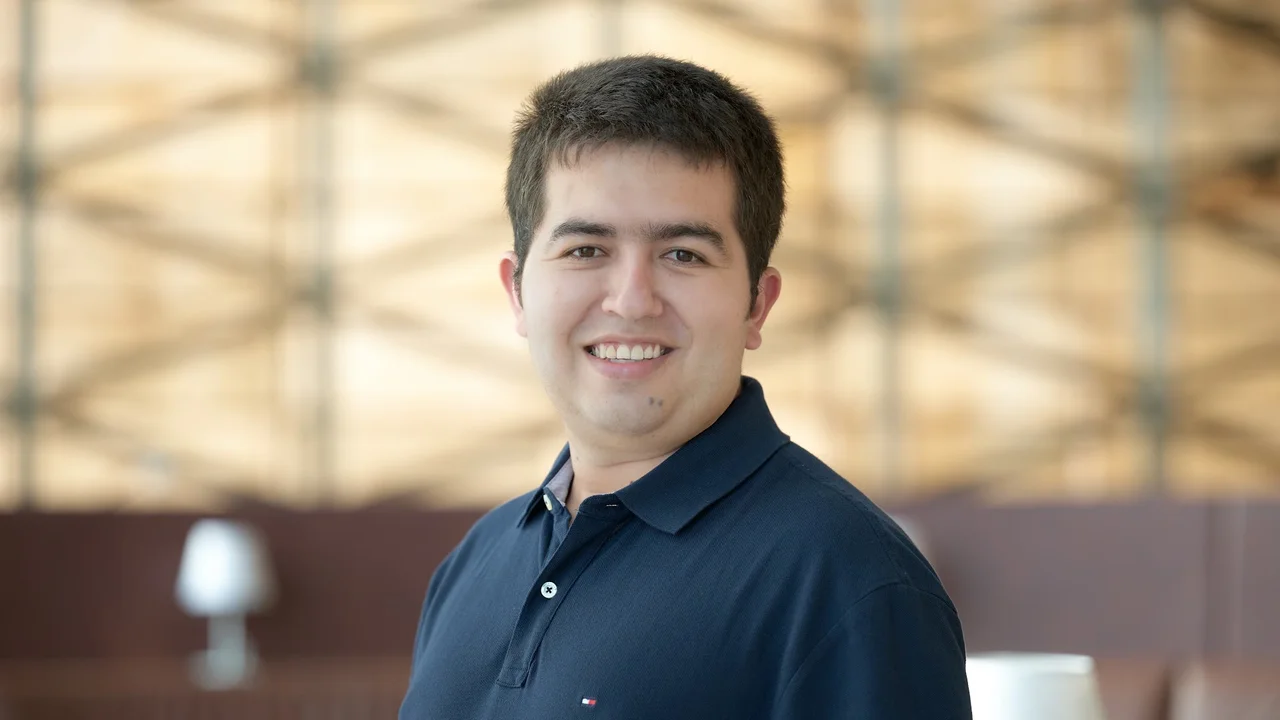
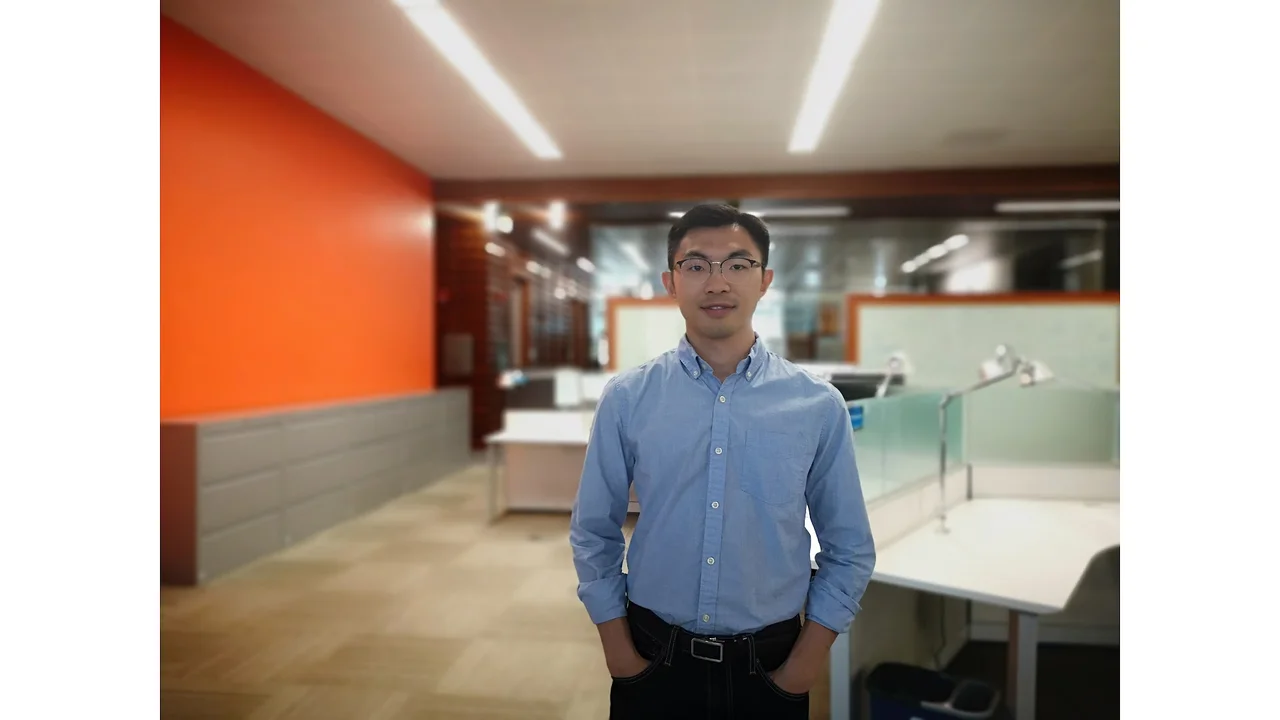
Yasser Shalabi, Graduate Student, Computer Science, University of Illinois Urbana-Champaign
B9 L2 H2
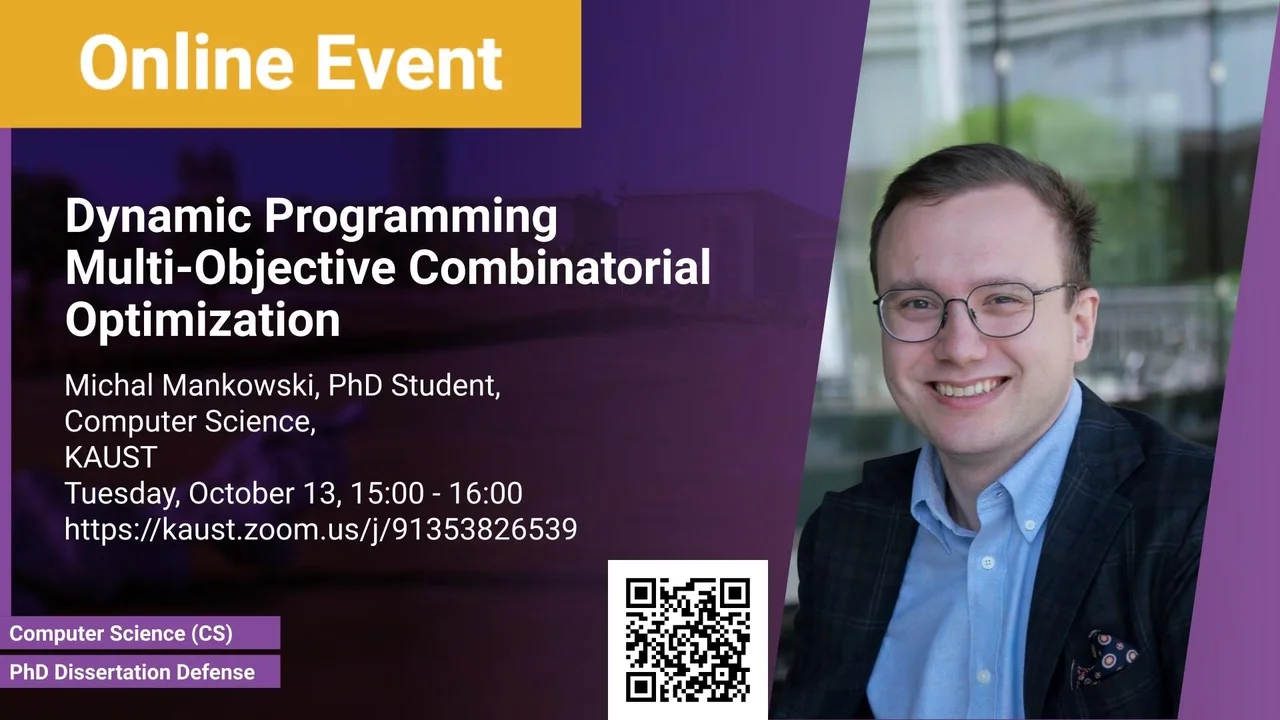
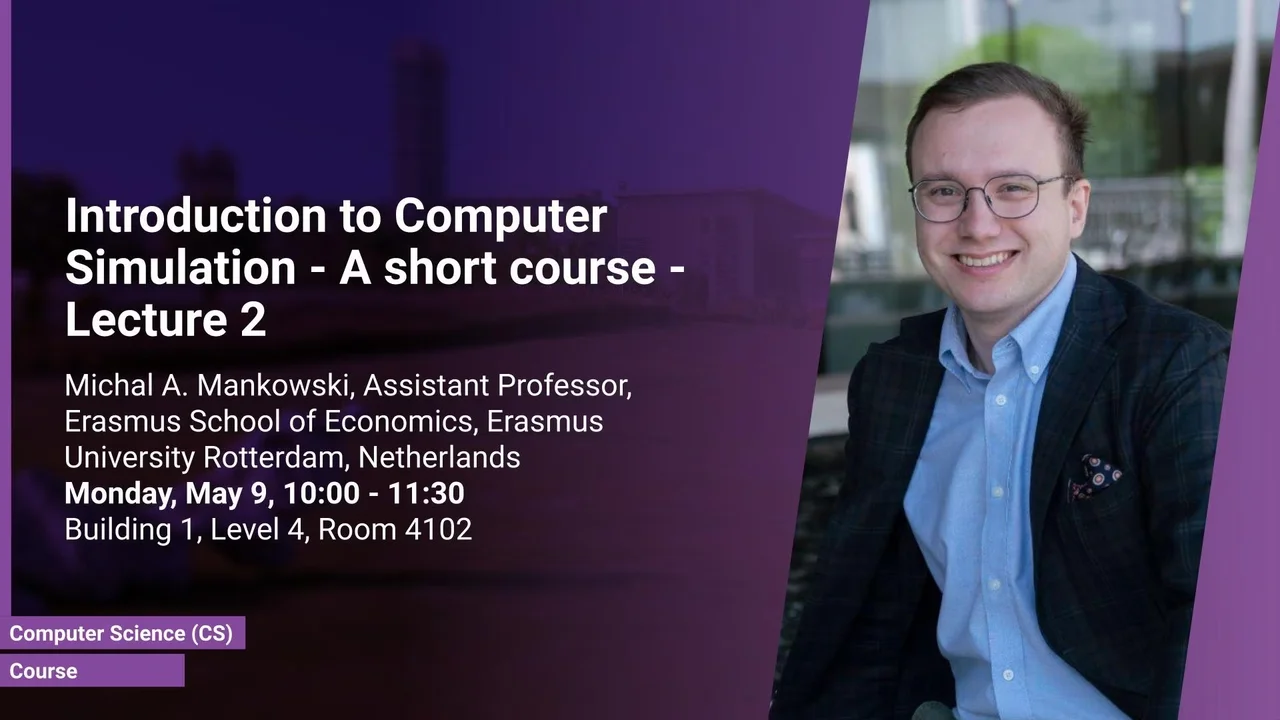
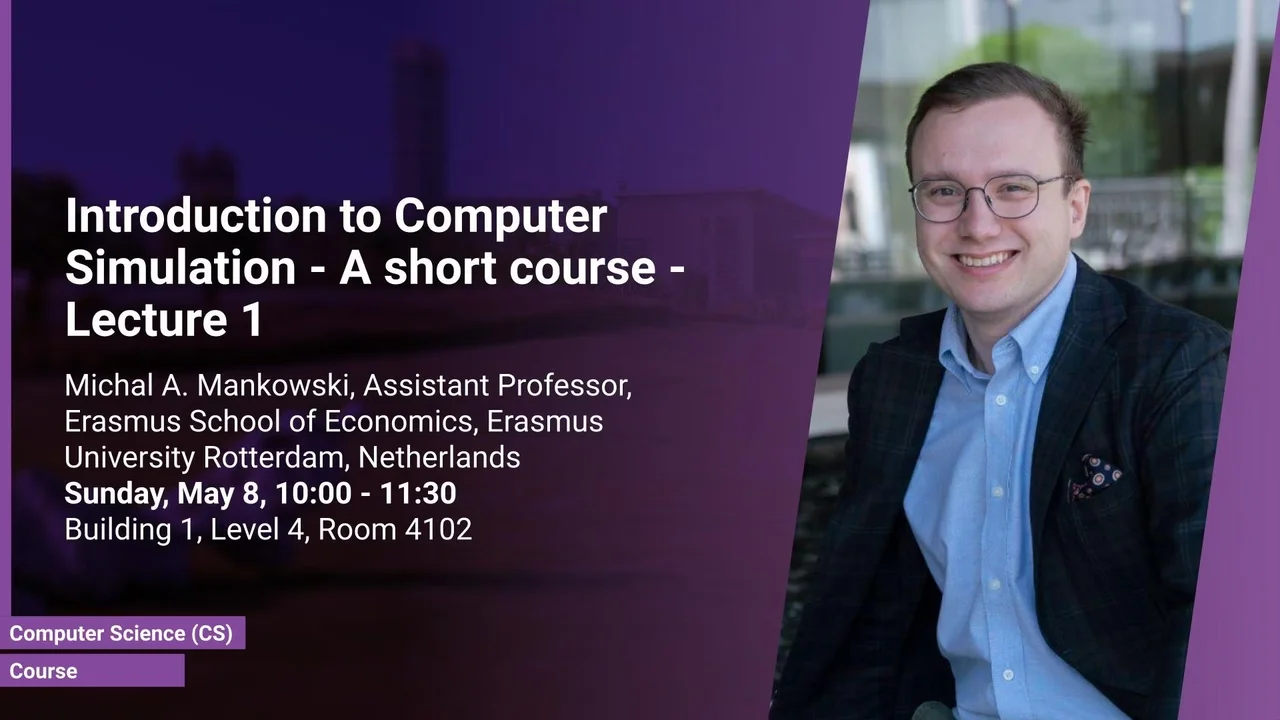
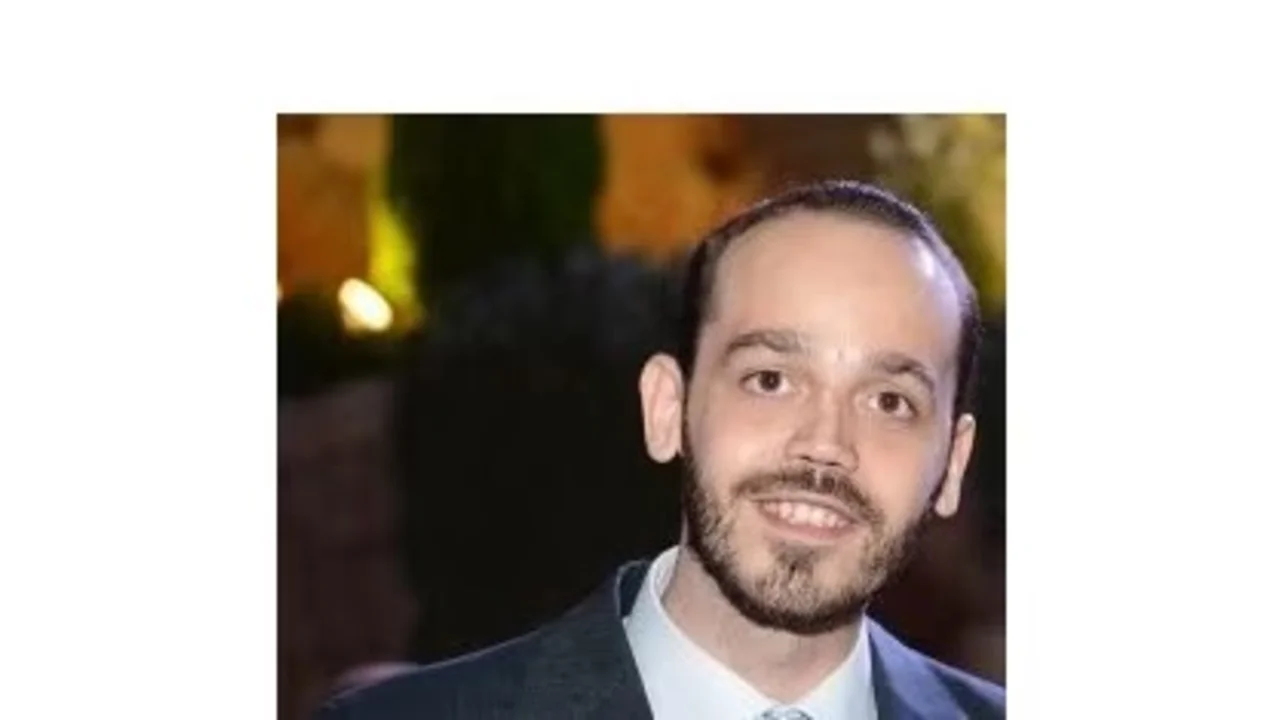
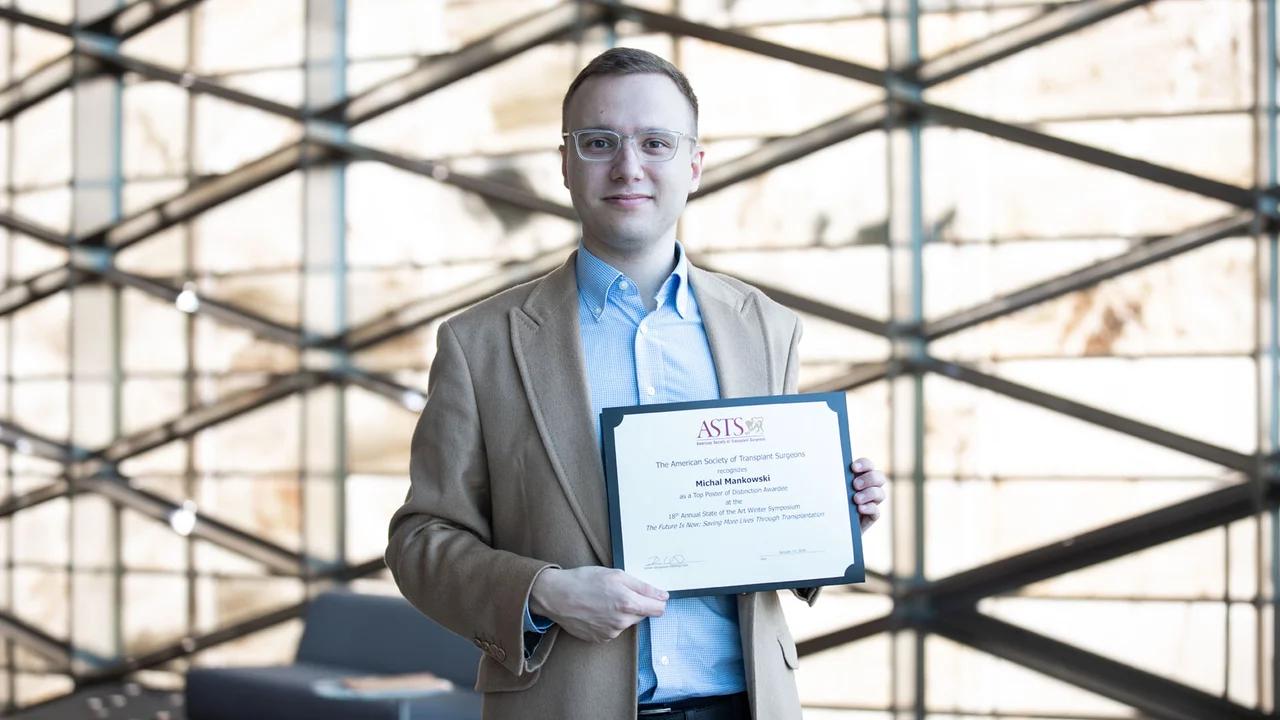
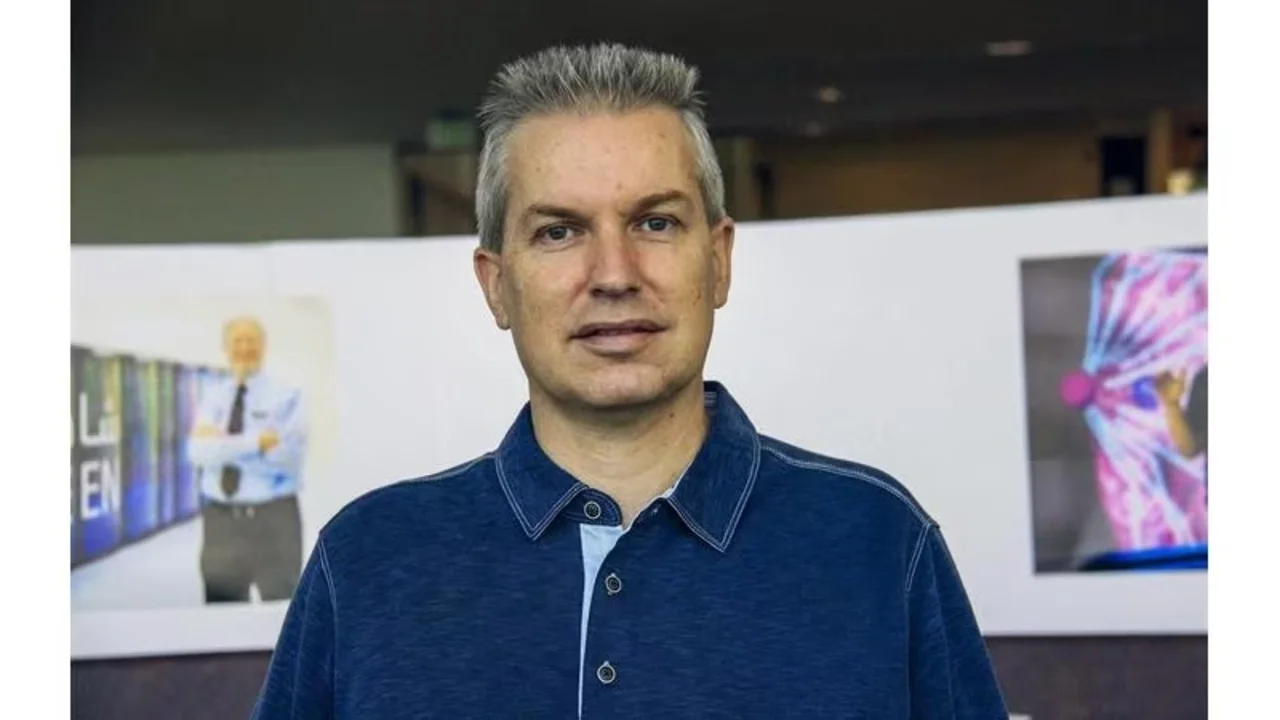
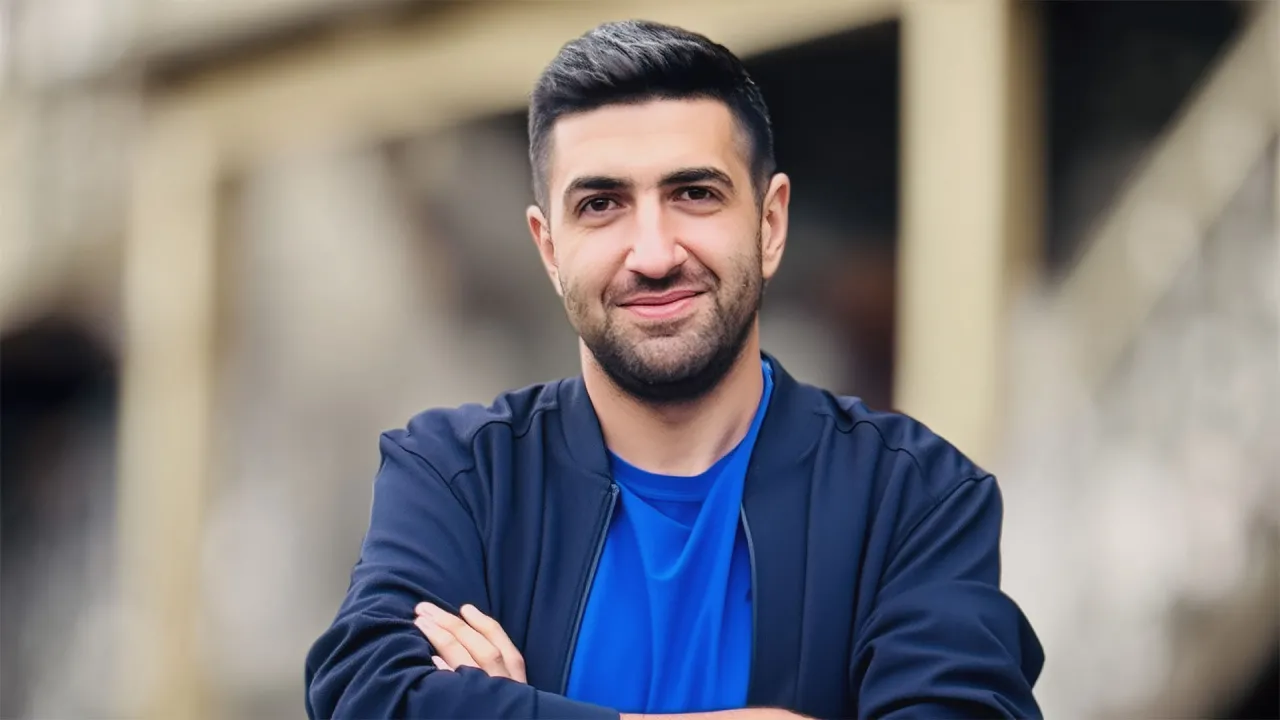
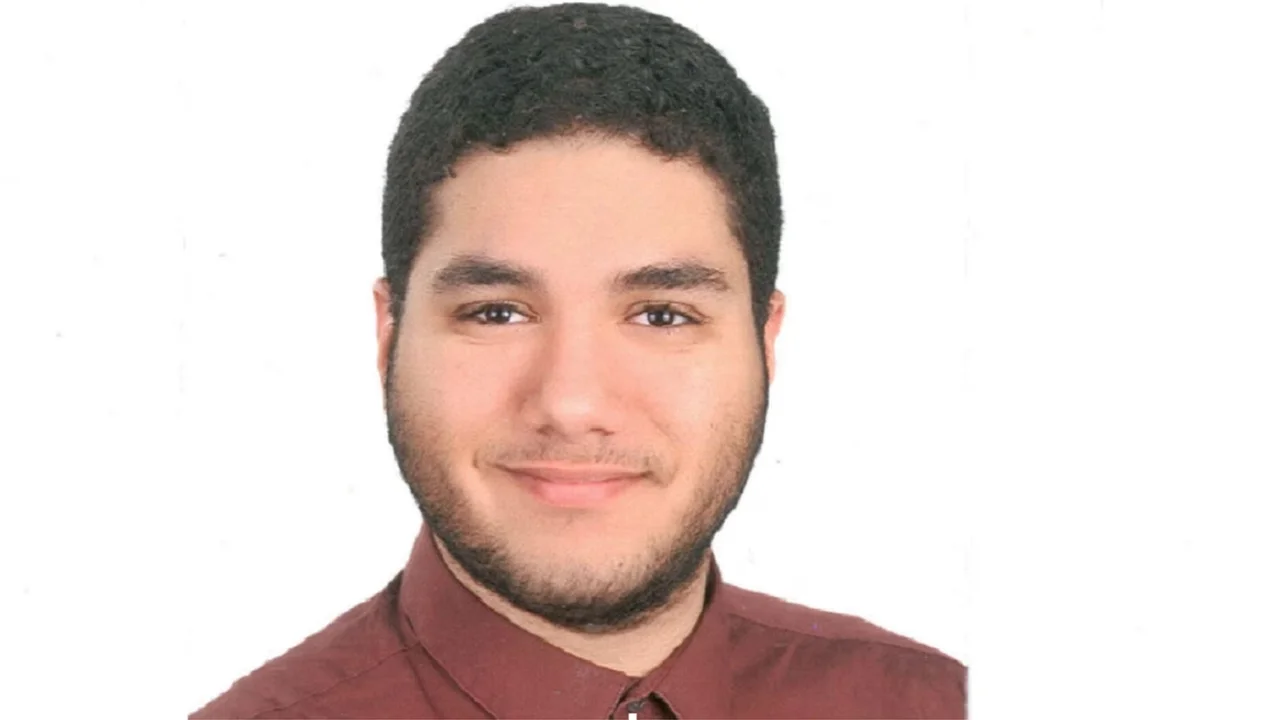
Michal A. Mankowski, Assistant Professor, Erasmus School of Economics, Erasmus University Rotterdam, Netherlands
B1 L4 R4102
Michal A. Mankowski, Assistant Professor, Erasmus School of Economics, Erasmus University Rotterdam, Netherlands
B1 L4 R4102
Michal A. Mankowski, Assistant Professor, Erasmus School of Economics, Erasmus University Rotterdam, Netherlands
B1 L4 R4102
wireless communication Cross-layer design machine learning cybersecurity Data Analytics Resource allocation wireless resource virtualization Device-to-Device Communication IoT e-learning performance and optimization modeling cloud computing Cooperative communications Collaborative instantly decodable network coding
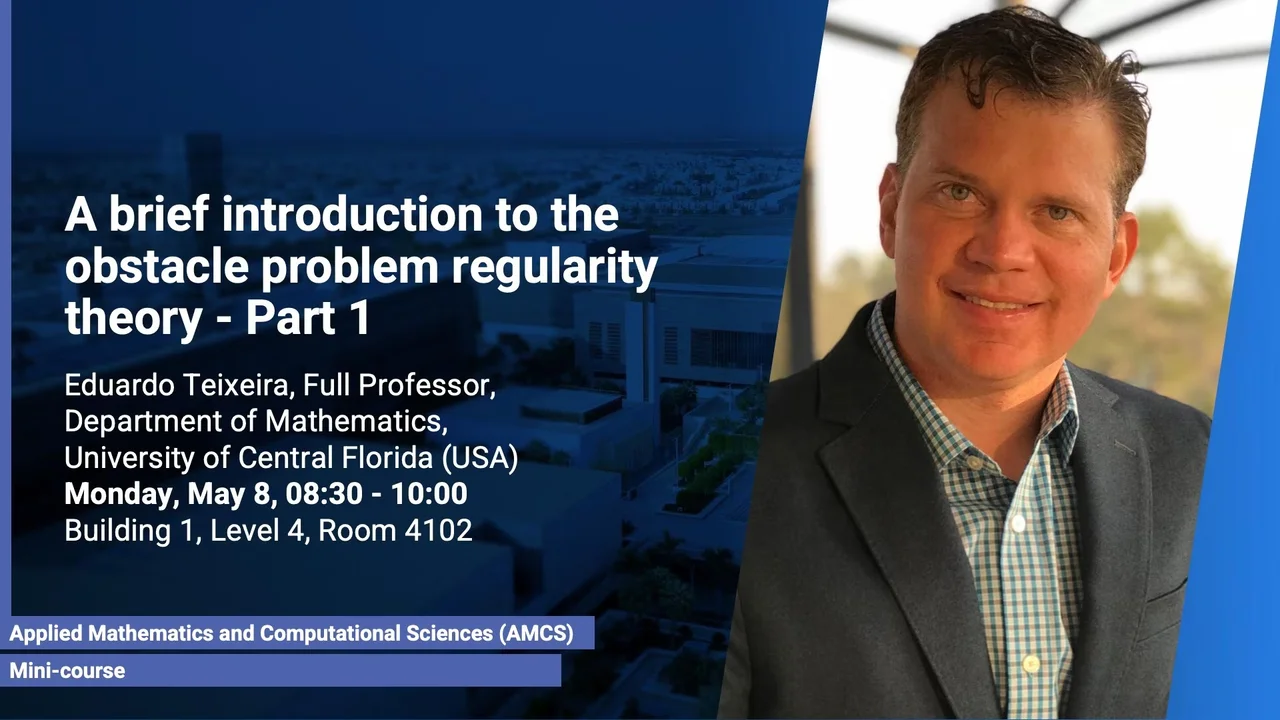
Prof. Eduardo Teixeira, Department of Mathematics, University of Central Florida (USA)
B1 L4 R4102
Auditorium between Buildings 2 and 3
Dr. Salam Baniahmed, Technical Manager, Veloce Energy
B1 L4 R4214
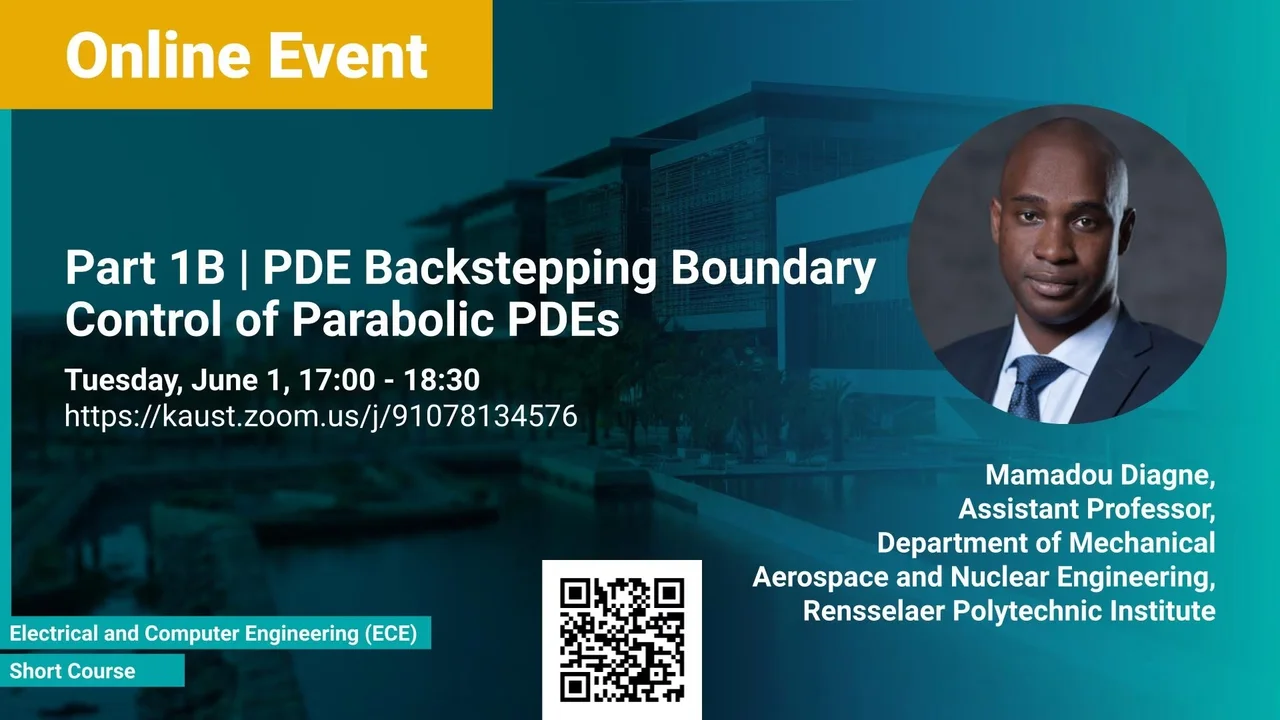
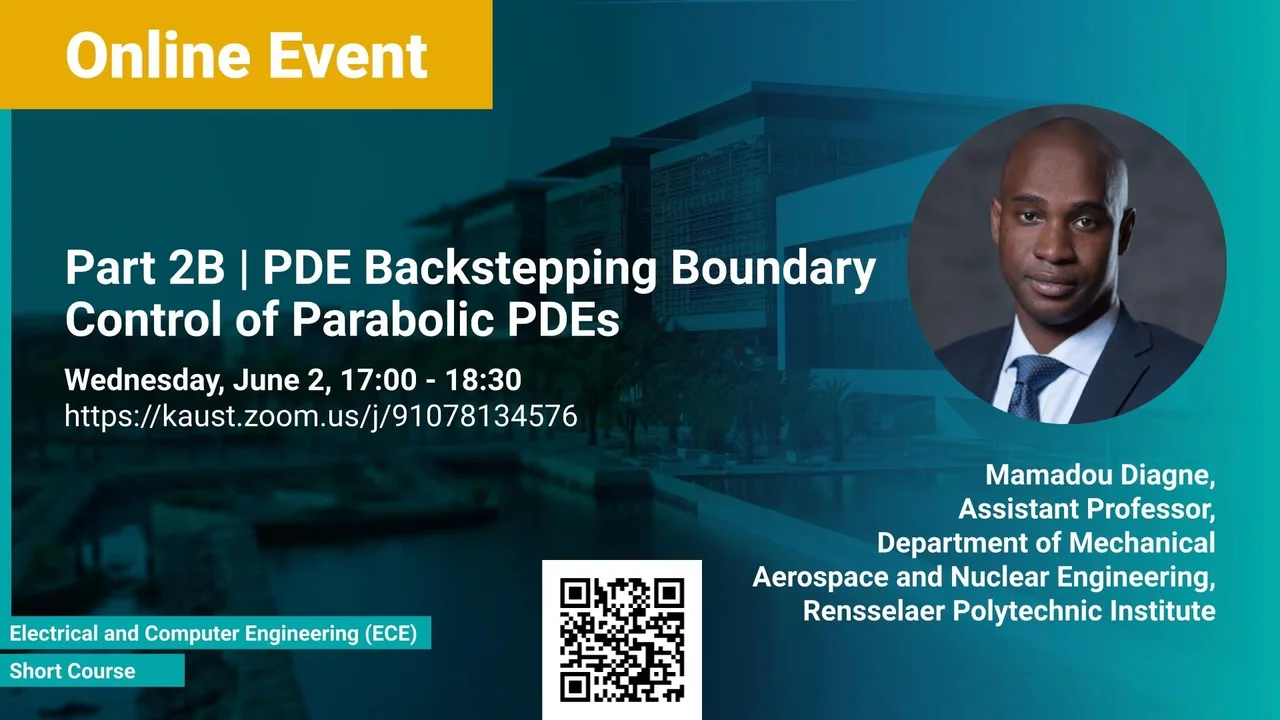
Prof. Mamadou Diagne, Rensselaer Polytechnic Institute
KAUST
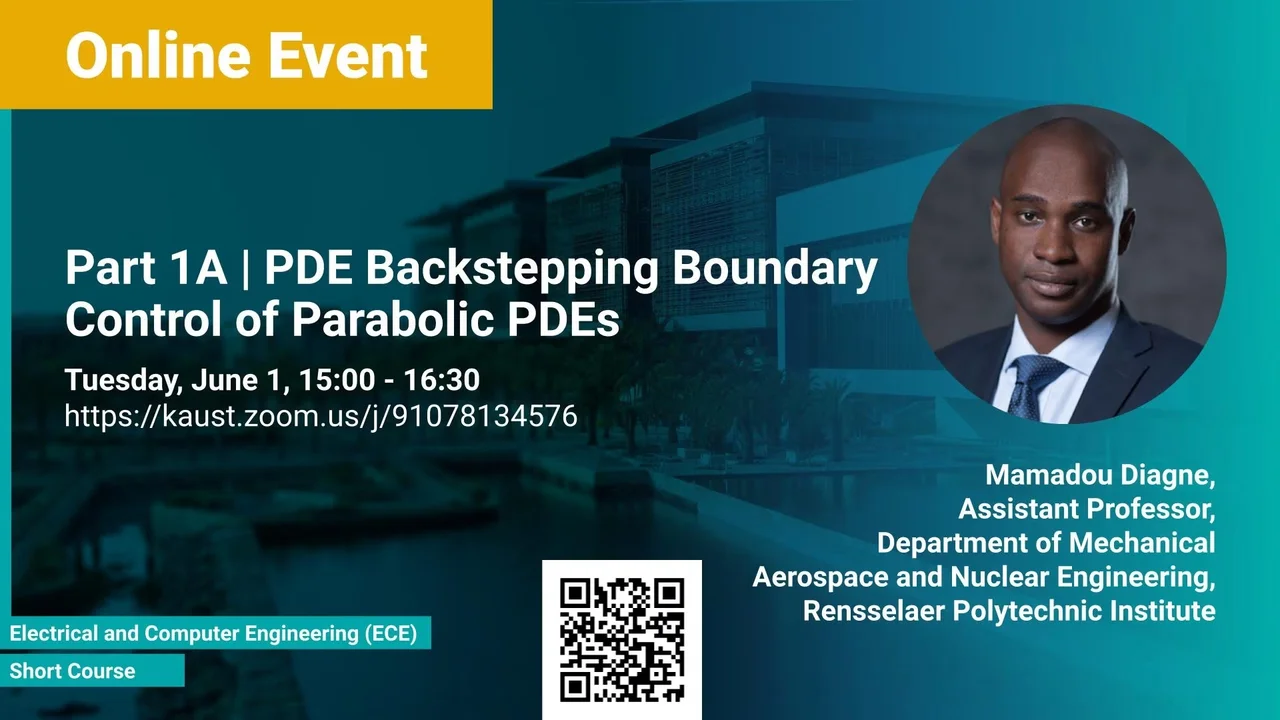
Prof. Mamadou Diagne, Rensselaer Polytechnic Institute
KAUST
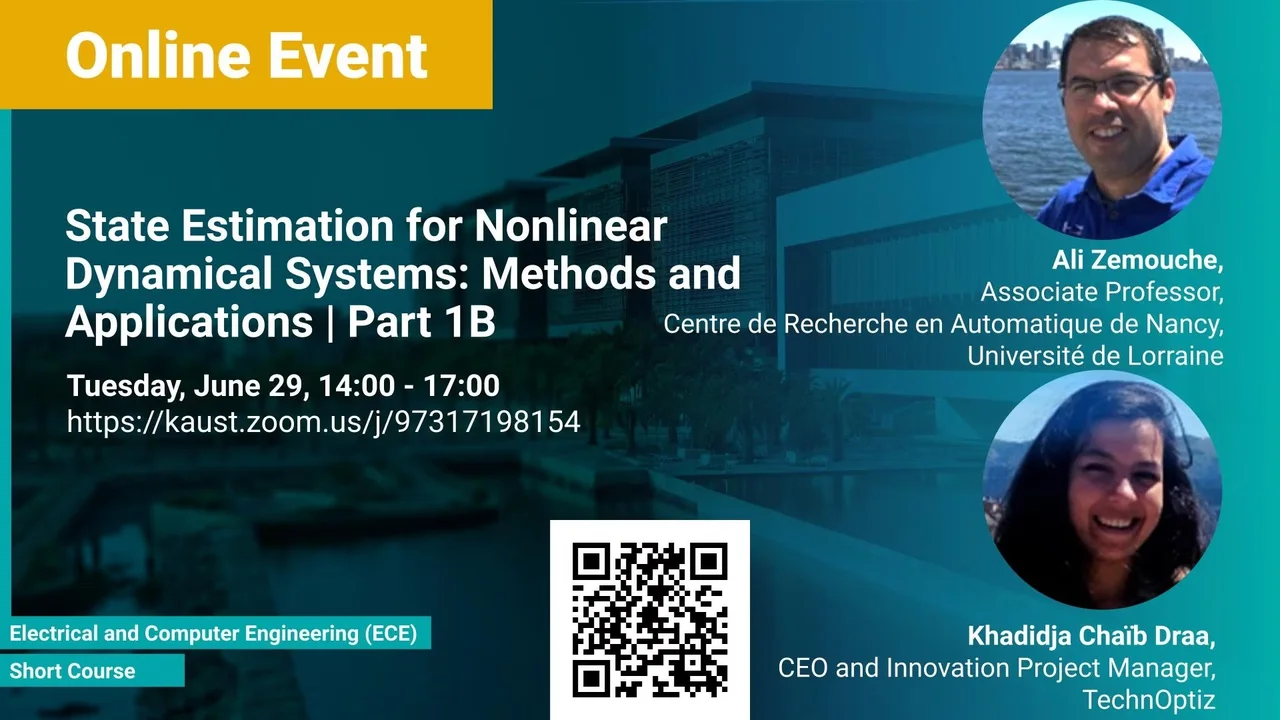
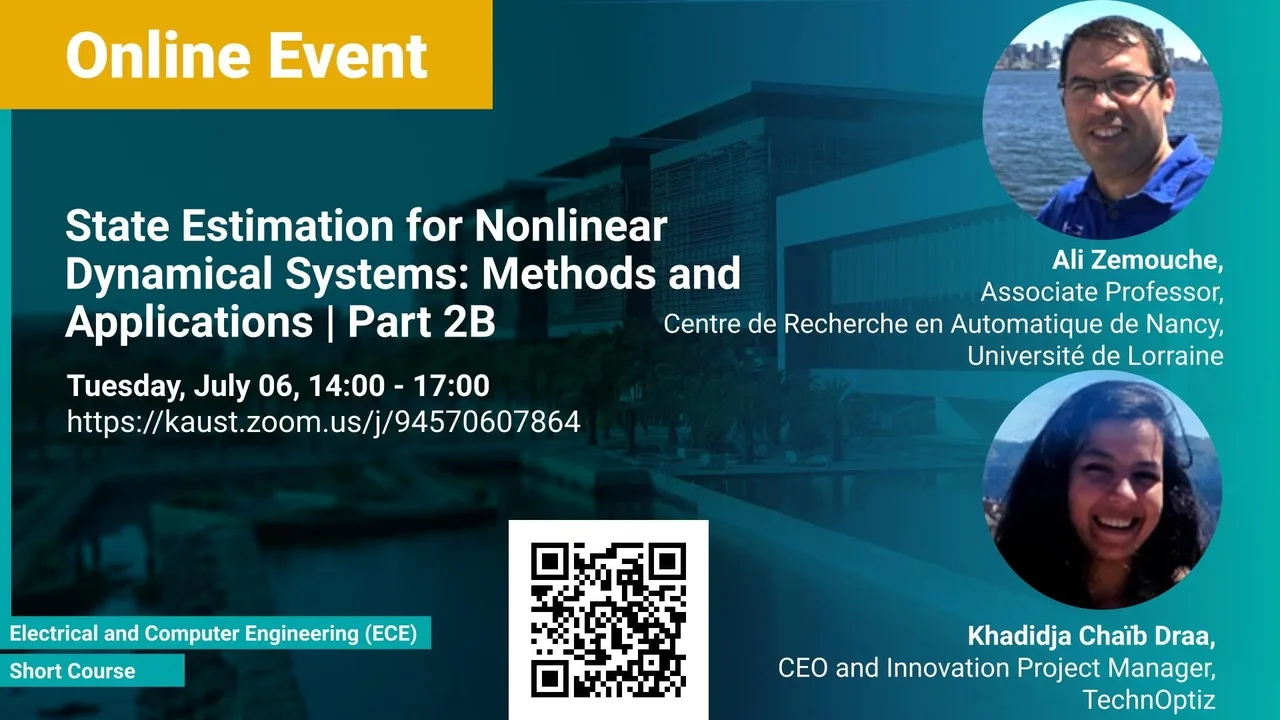
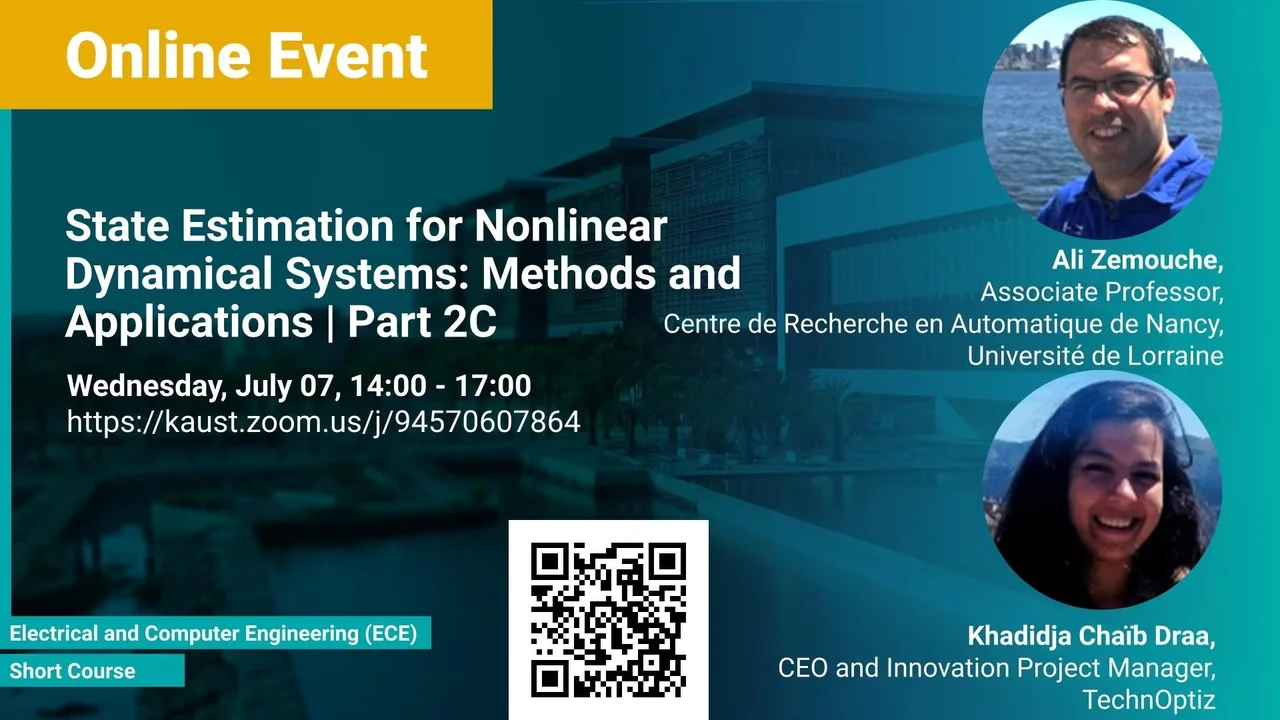
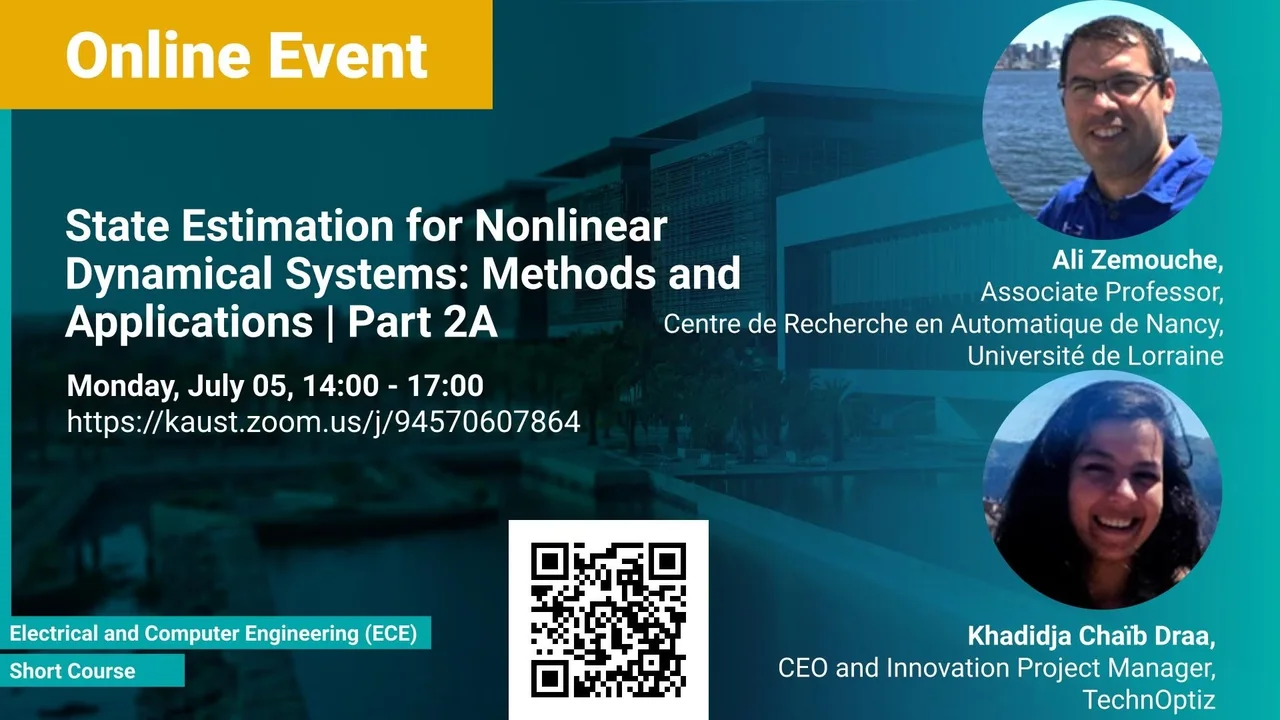
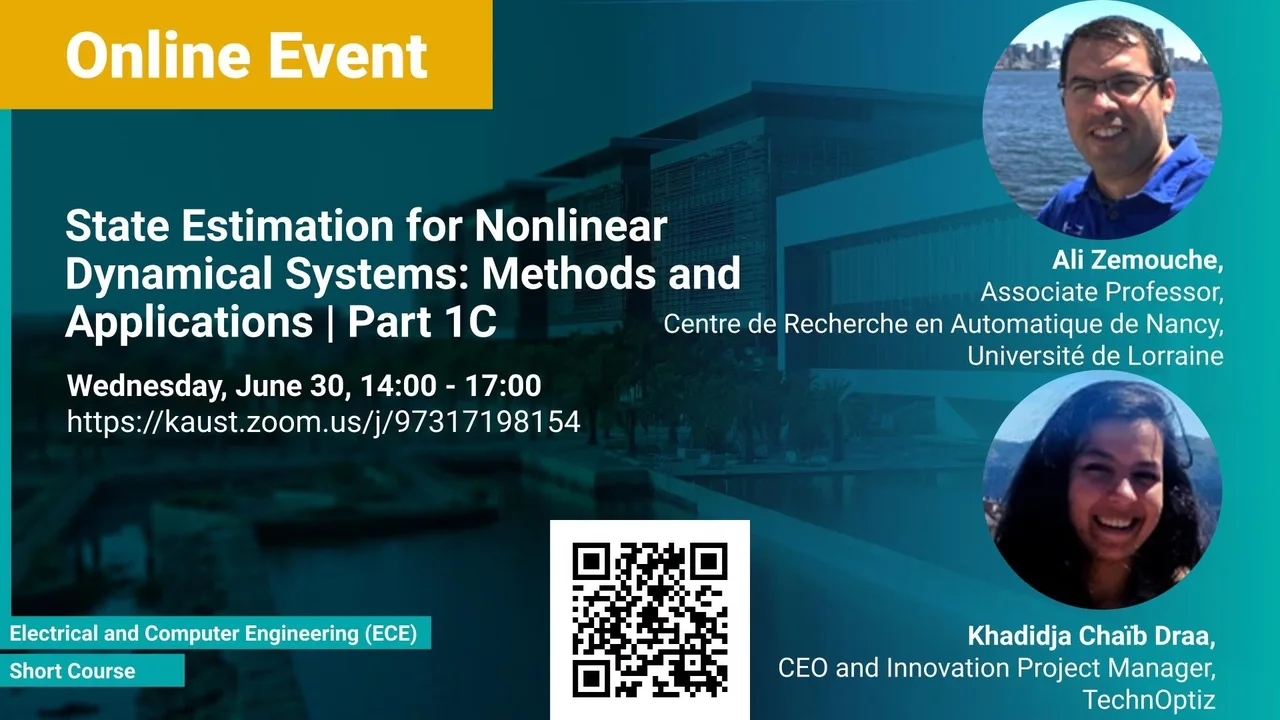
Prof. Ali Zemouche, Université de Lorraine and Khadidja Chaïb Draa, TechnOptiz
KAUST
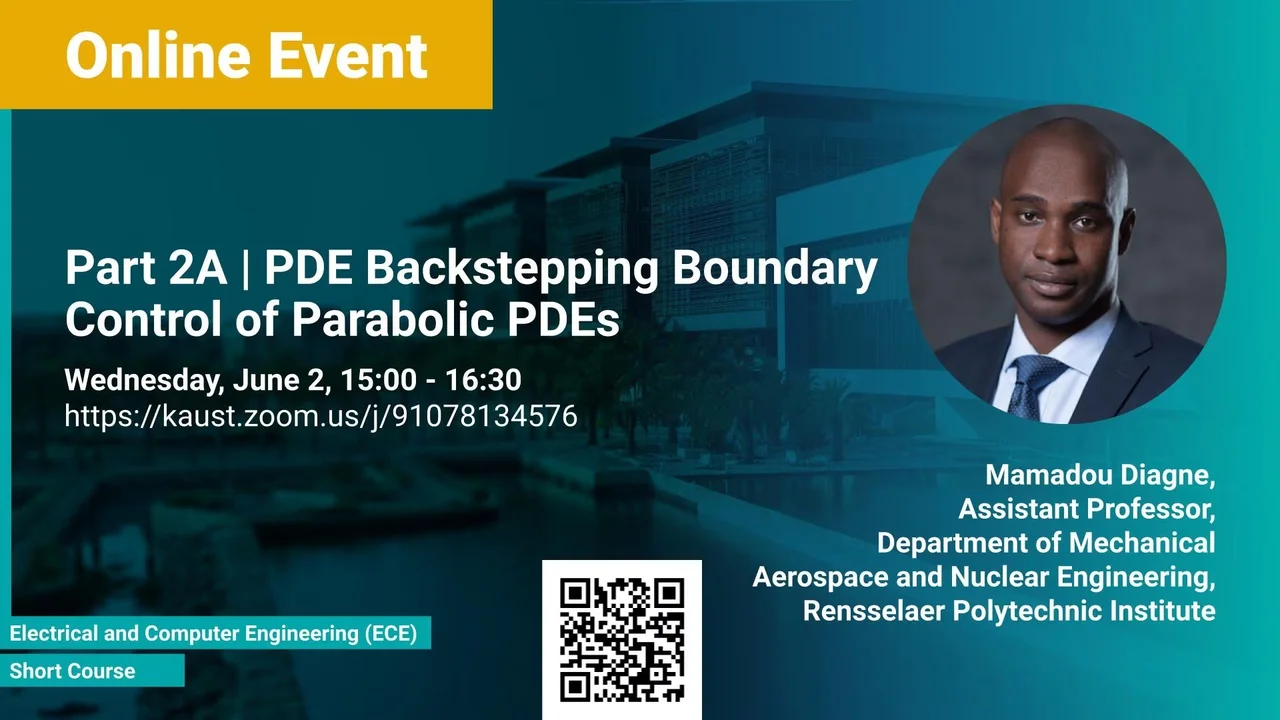
Prof. Mamadou Diagne, Rensselaer Polytechnic Institute
KAUST
Prof. Mamadou Diagne, Rensselaer Polytechnic Institute
KAUST
Prof. Ali Zemouche, Université de Lorraine and Khadidja Chaïb Draa, TechnOptiz
KAUST
Prof. Ali Zemouche, Université de Lorraine and Khadidja Chaïb Draa, TechnOptiz
KAUST
Prof. Ali Zemouche, Université de Lorraine and Khadidja Chaïb Draa, TechnOptiz
KAUST
Prof. Ali Zemouche, Université de Lorraine and Khadidja Chaïb Draa, TechnOptiz
KAUST
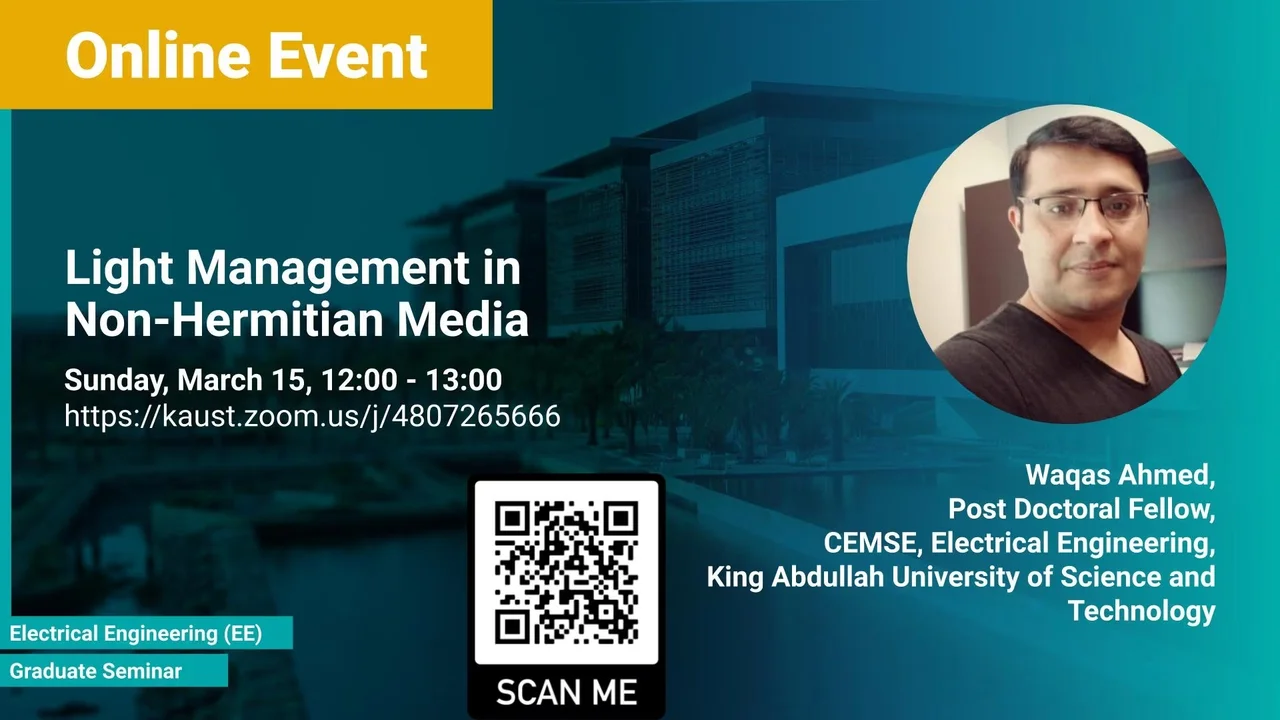
Dr. Waqas Ahmed, Electrical Engineering, King Abdullah University of Science and Technology
KAUST
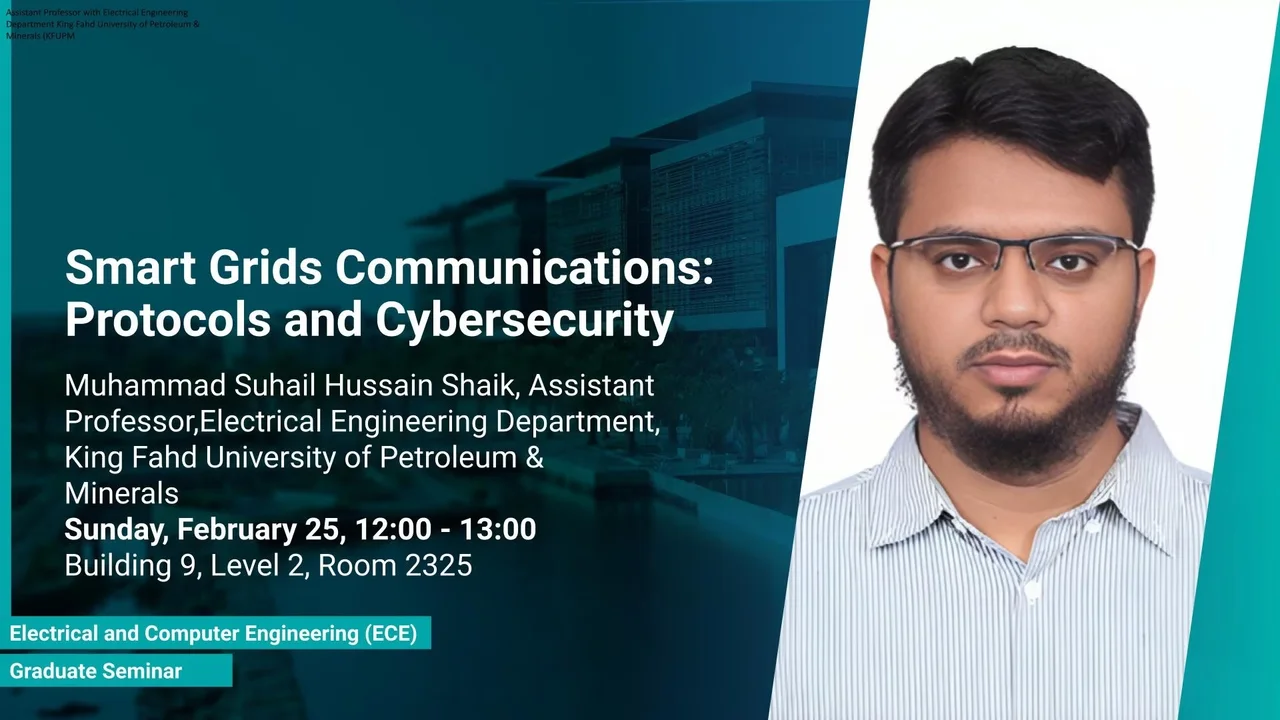
Suhail Shaik, Electrical Engineering Department, King Fahd University of Petroleum & Minerals
B9 L2 H2 H2
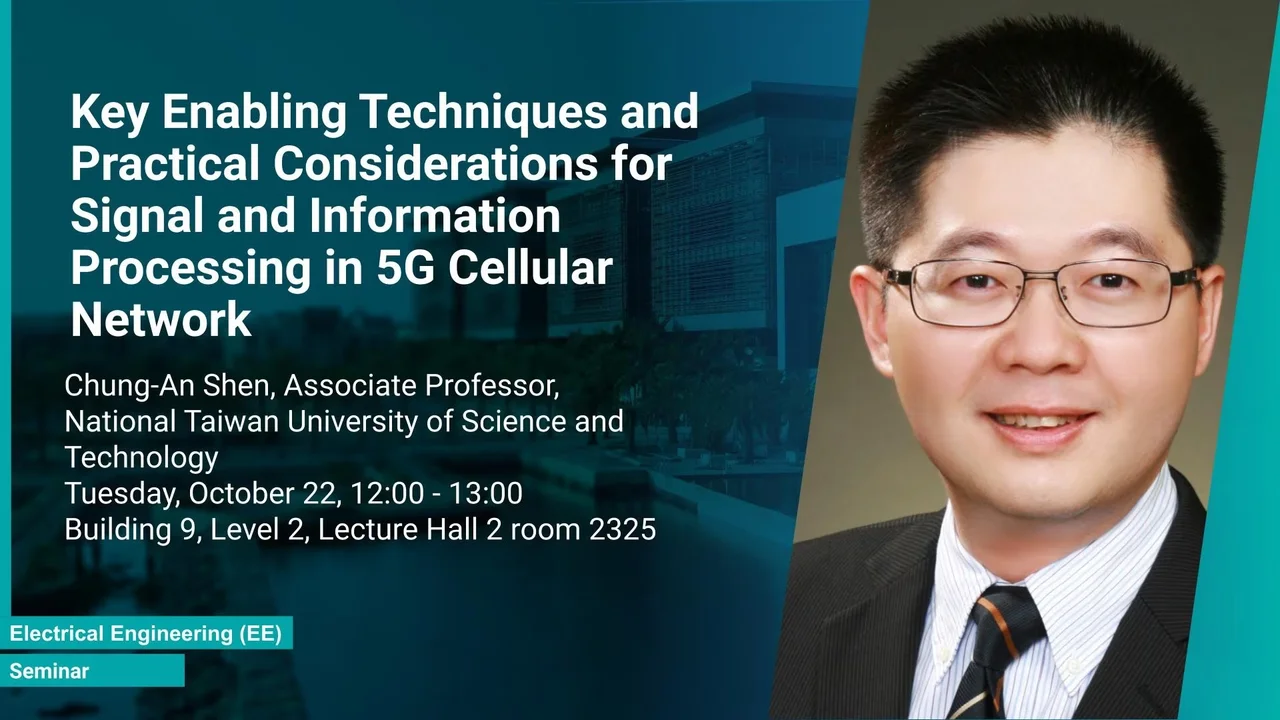
Chung-An Shen, Associate Professor, National Taiwan University of Science and Technology
B9 L2 H2
Prof. Emil Björnson, KTH Royal Institute of Technology, Stockholm, Sweden
KAUST
Hassane Trigui, Research & Development Center, Aramco
B18 Fellowship Hall
B18 Fellowship Hall
B18 Fellowship Hall
Prof. Froukje M. van der Zwan, Physical Science and Engineering, Earth Science and Engineering, King Abdullah University of Science and Technology
B18 Fellowship Hall
B18 Fellowship Hall
B18 Fellowship Hall
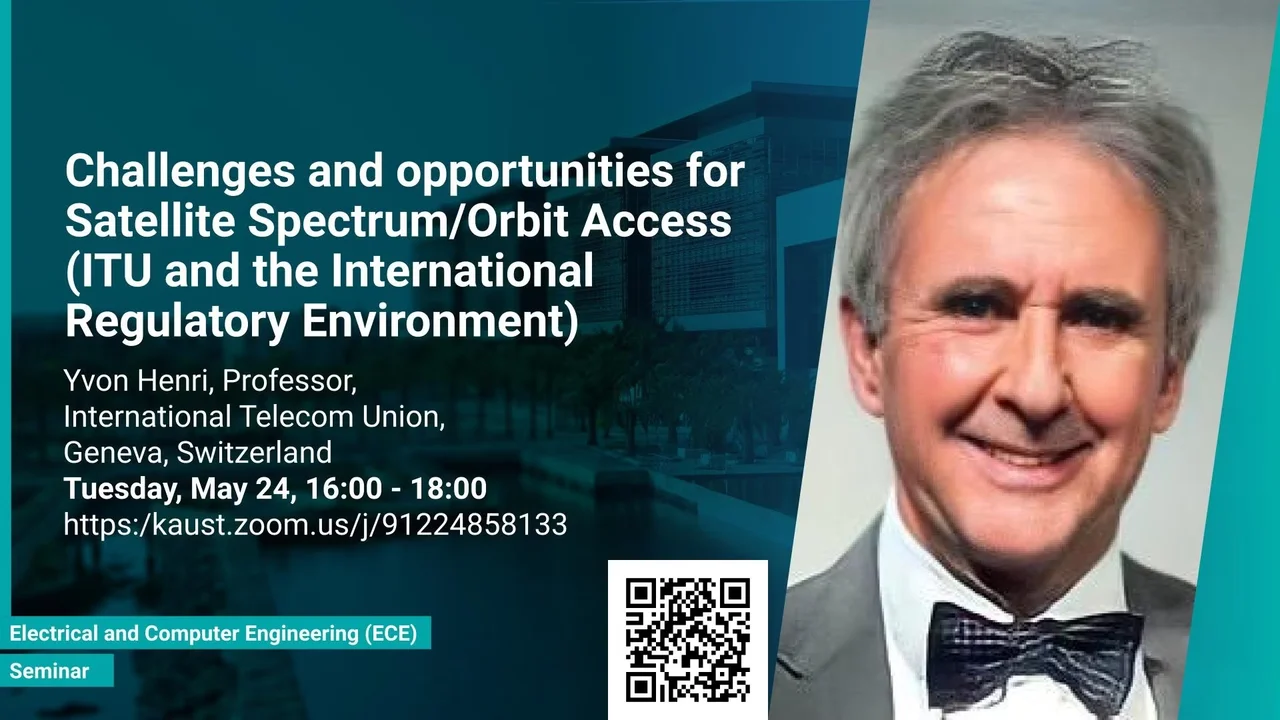
Prof. Yvon Henri, International Telecom Union, Geneva, Switzerland
KAUST
B18 Fellowship Hall
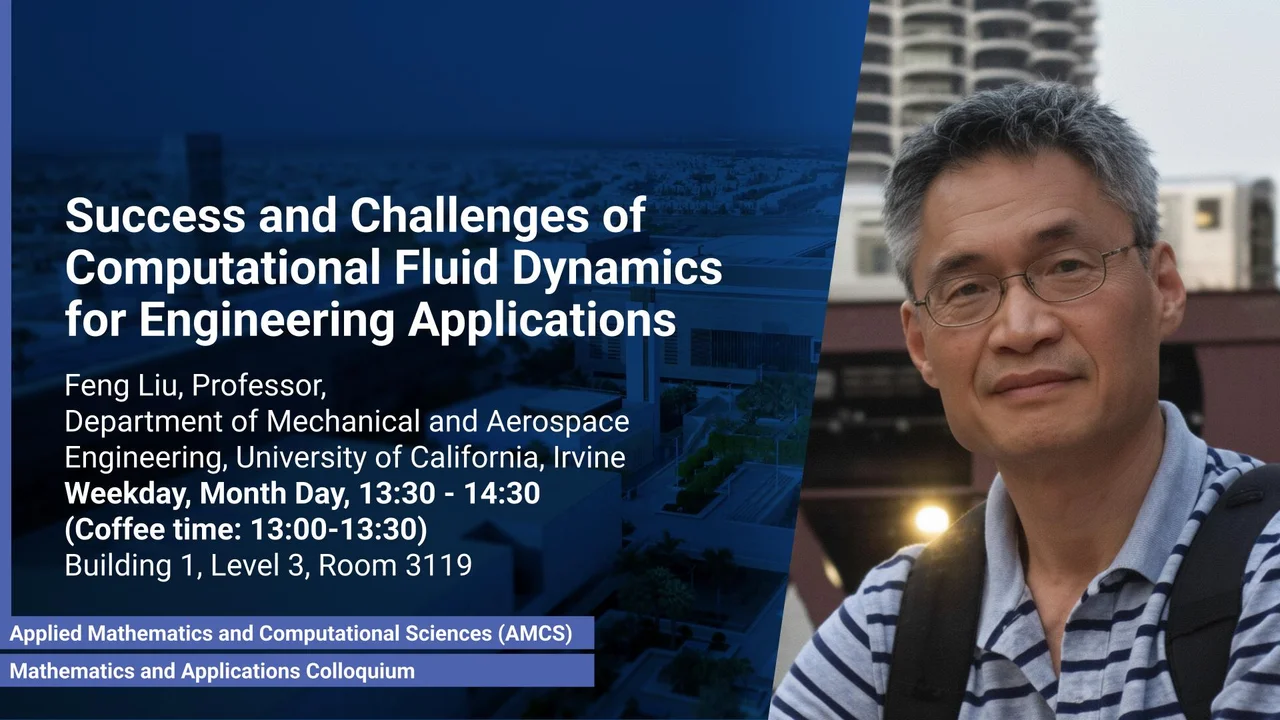
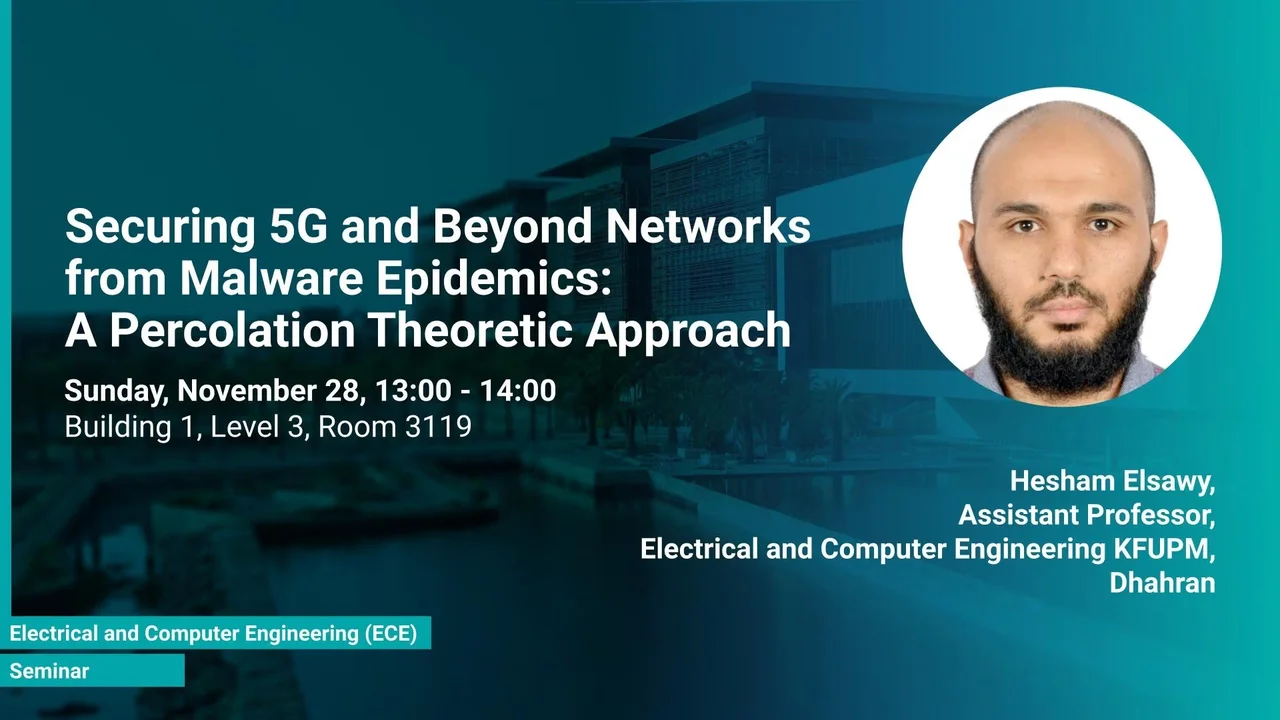
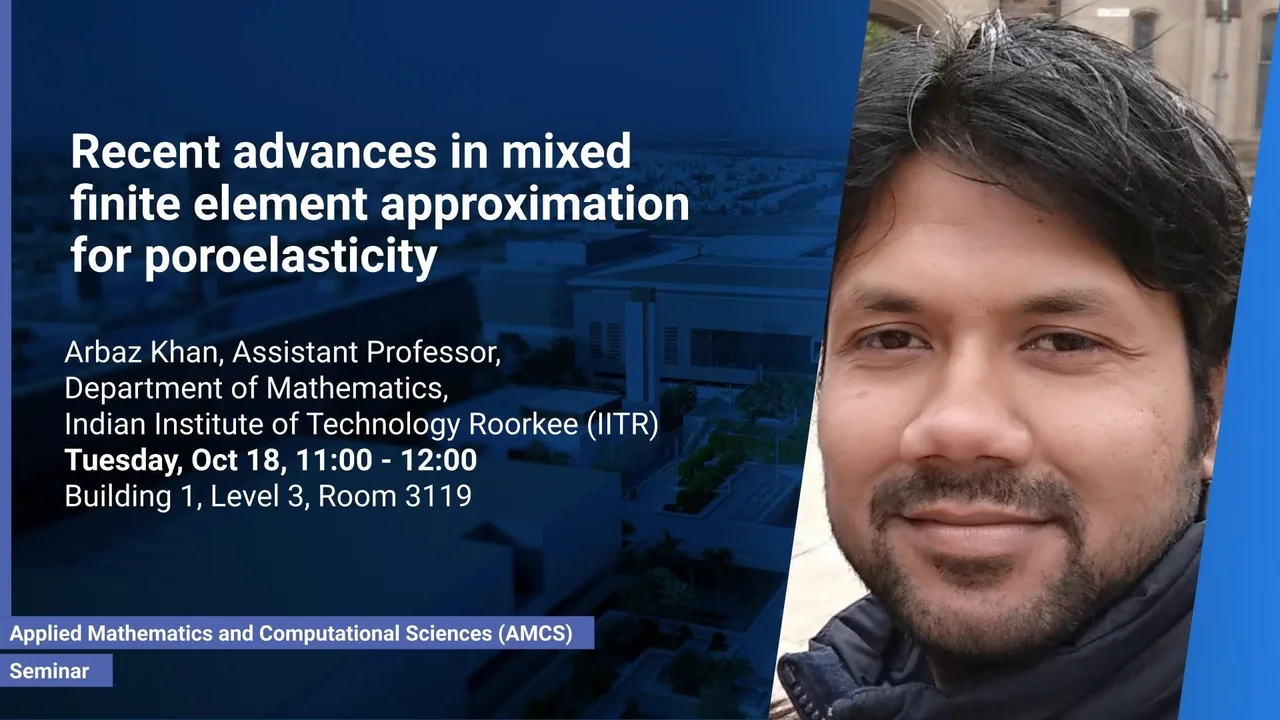
Arbaz Khan, Assistant Professor, Department of Mathematics, Indian Institute of Technology (IIT)
B1 L3 R3119
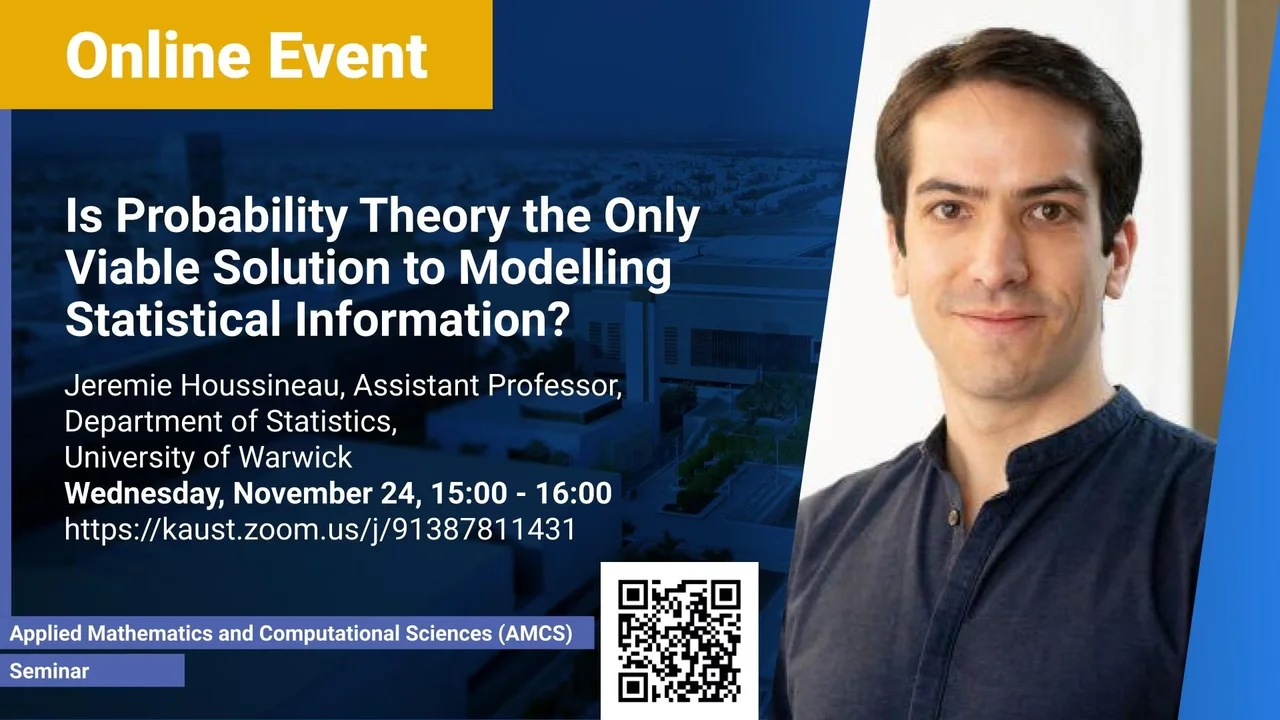
Prof. Jeremie Houssineau, Department of Statistics, University of Warwick.
KAUST
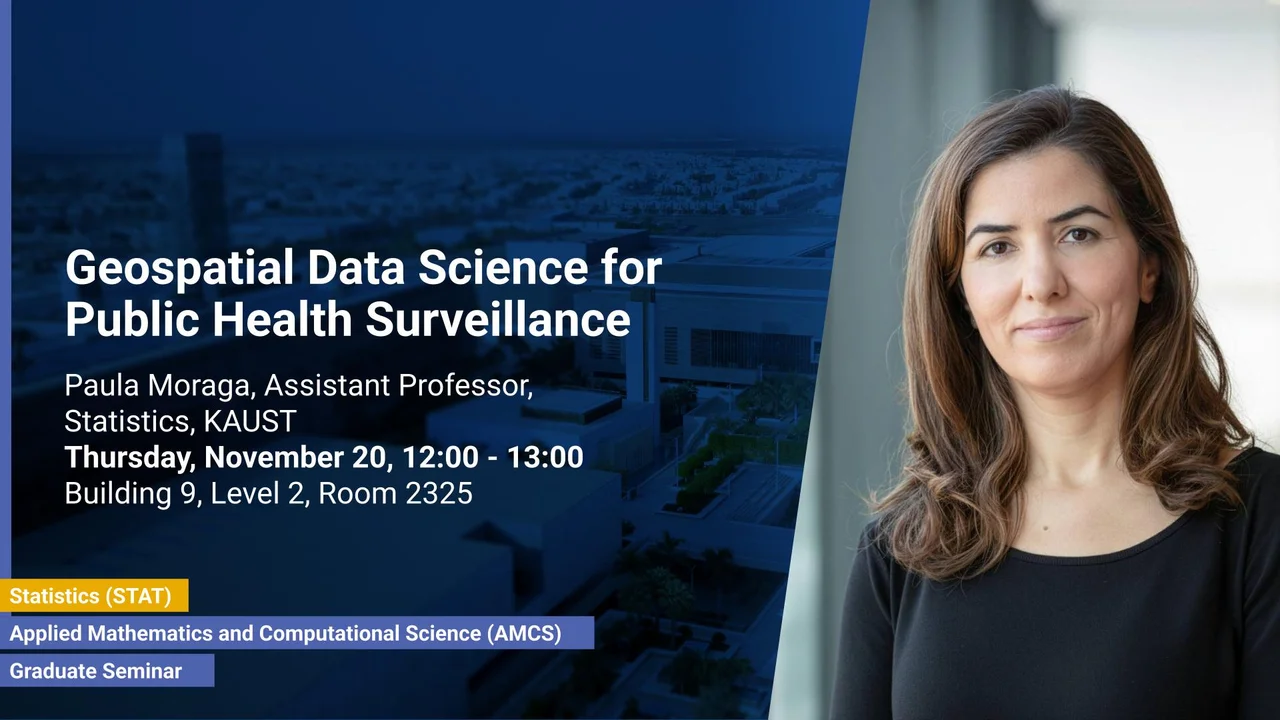
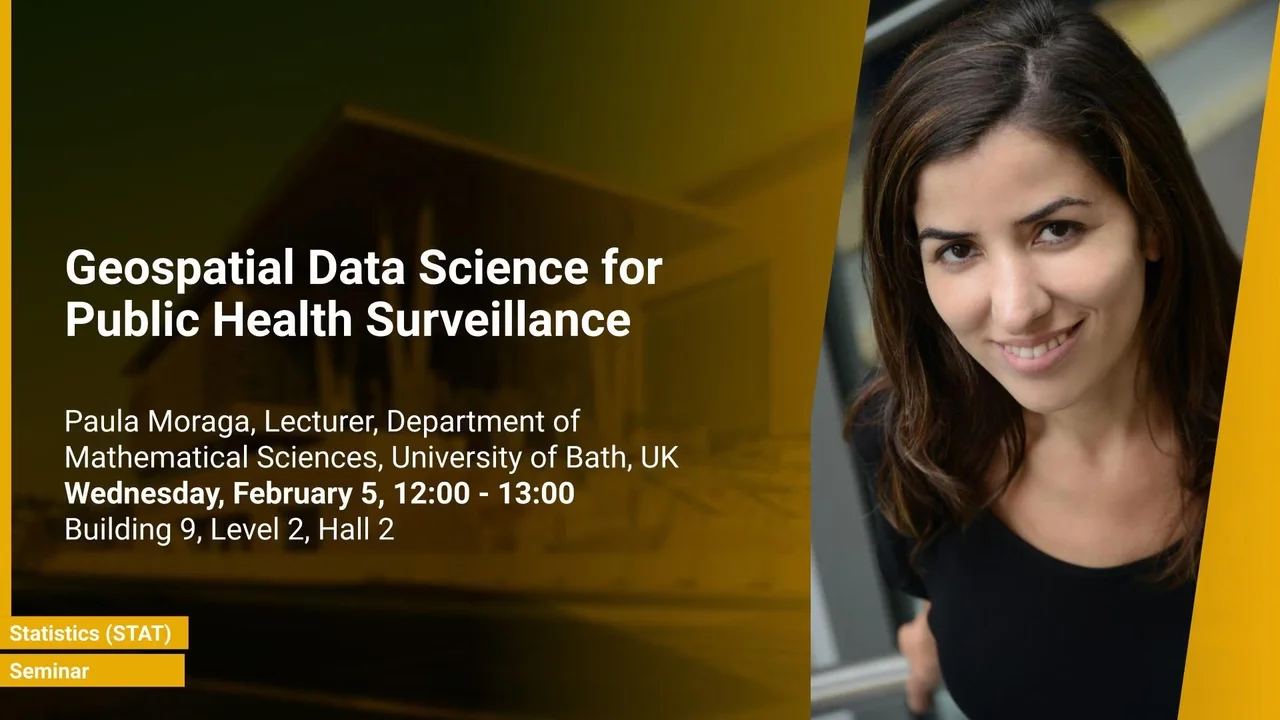
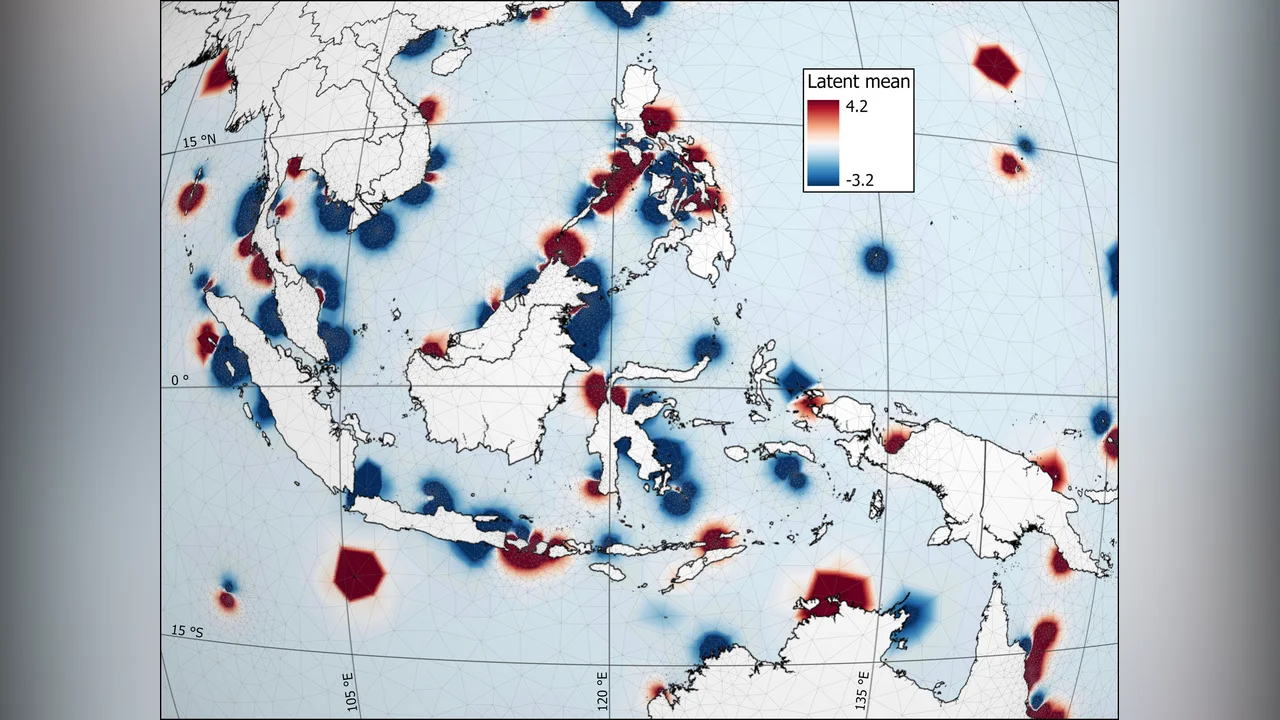
Paula Moraga, Lecturer, Department of Mathematical Sciences, University of Bath, UK
B9 L2 H2
Prof. Yvon Henri, International Telecom Union, Geneva, Switzerland
KAUST
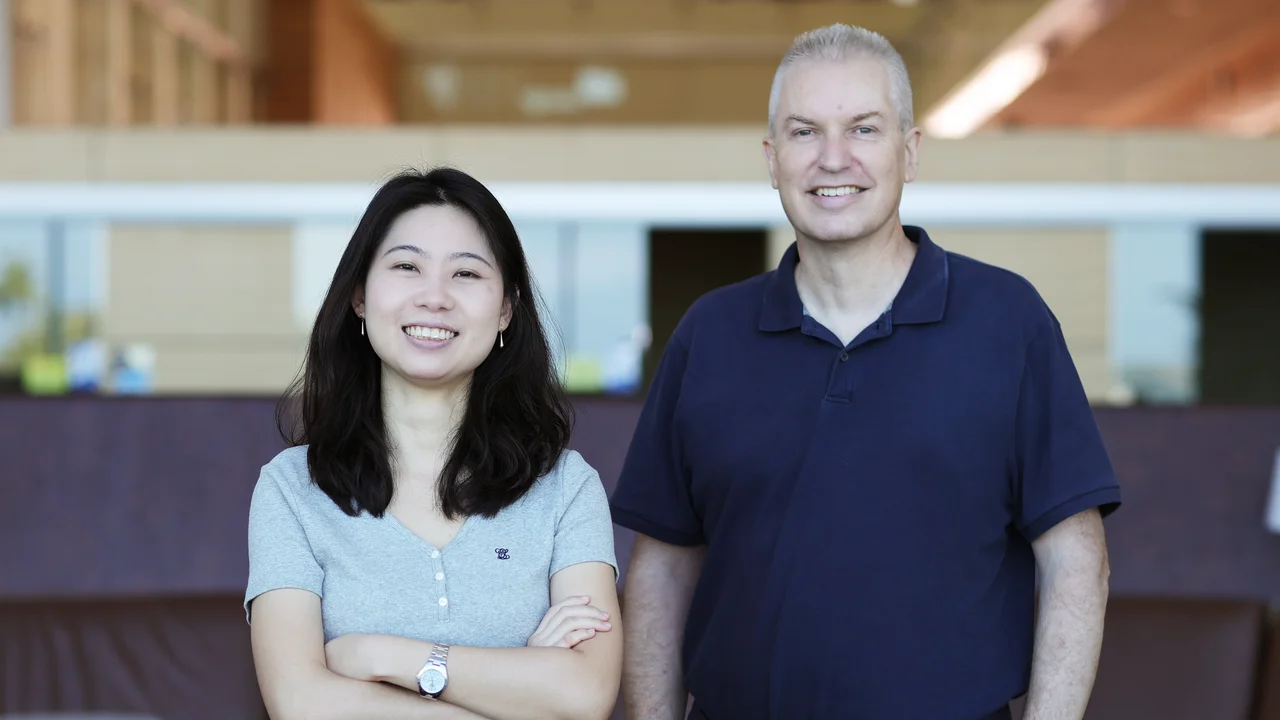
Stochastic Numerics PI Professor Raul Tempone (Chair) and Computational Probability PI Professor Ajay Jasra (Co-Chair)
B9
Stochastic Numerics PI Professor Raul Tempone (Chair) and Computational Probability PI Professor Ajay Jasra (Co-Chair)
B2 B3 A0215
Auditorium between Buildings 2 and 3
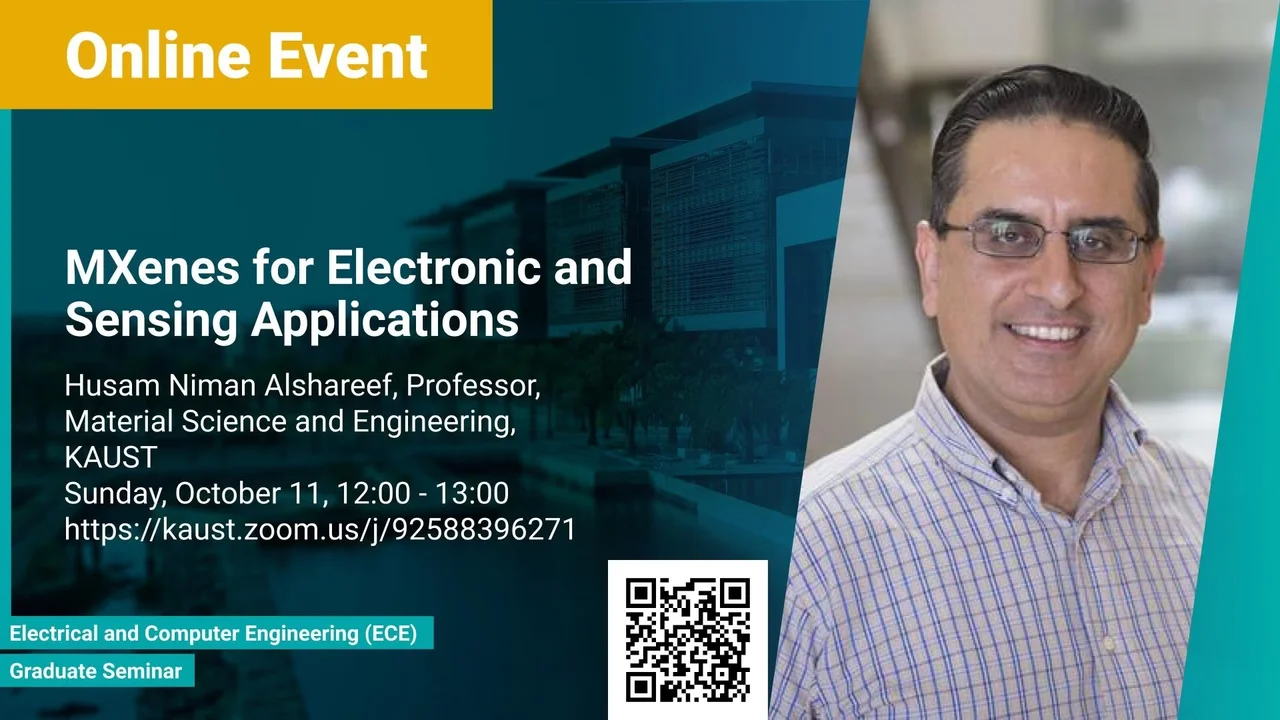
Professor Husam Alshareef, Material Science and Engineering, KAUST
KAUST
Maxime Gariel, Chief Technology Officer, Xwing
KAUST
The University of Birmingham in the United Kingdom
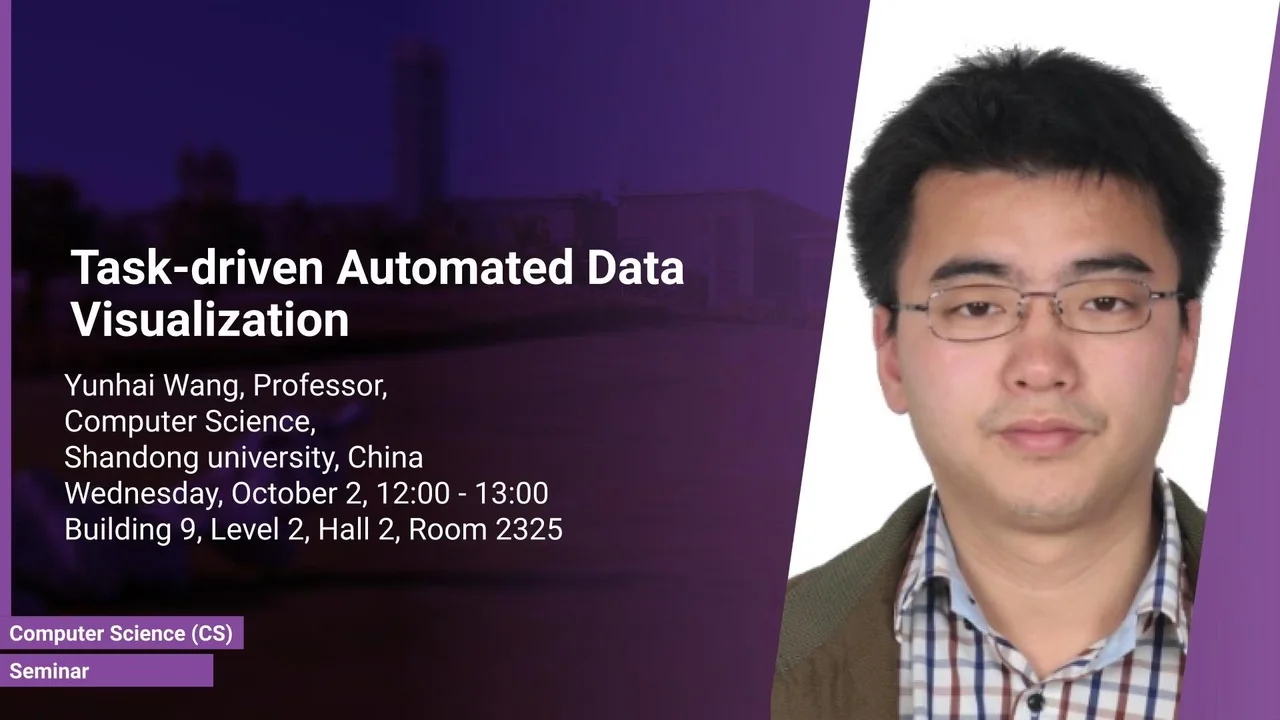
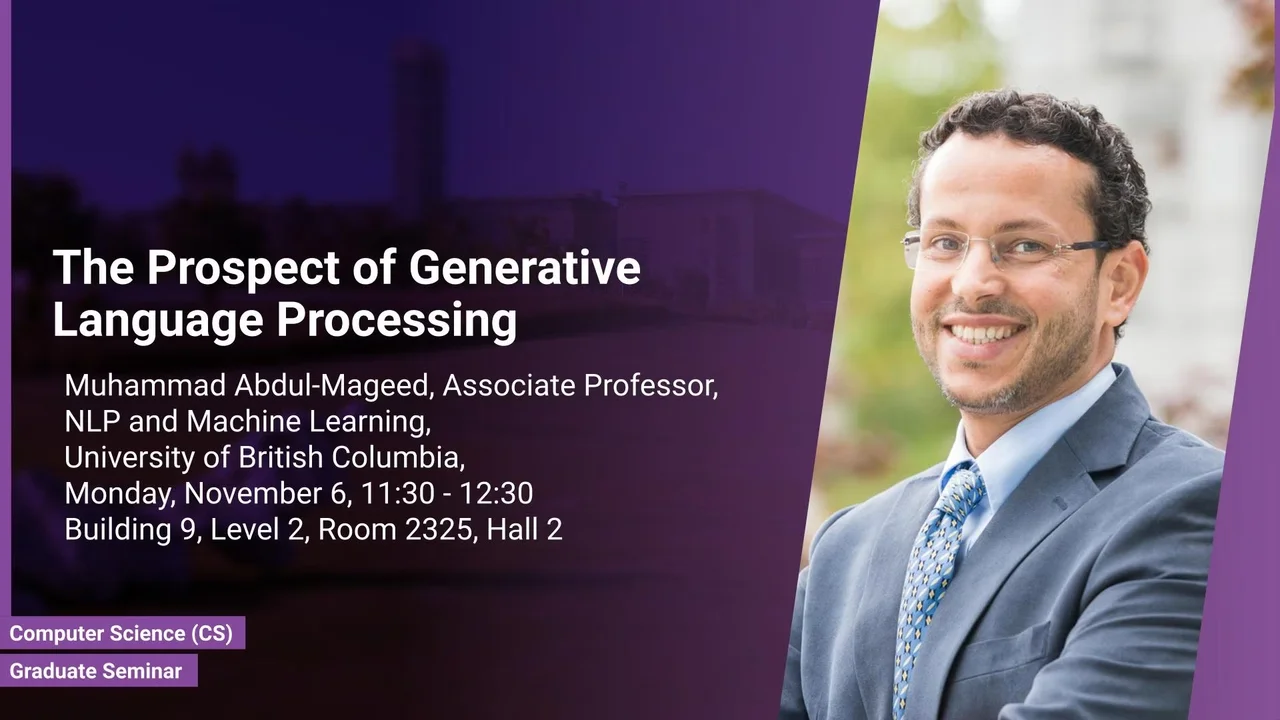
Dr. Yunhai Wang, Professor, Computer Science, Shandong University, China
B9 L2 H2 R2325
Hassane Trigui, Research & Development Center, Aramco
B18 Fellowship Hall
Prof. Froukje M. van der Zwan, Physical Science and Engineering, Earth Science and Engineering, King Abdullah University of Science and Technology
B18 Fellowship Hall
B18 Fellowship Hall
B18 Fellowship Hall
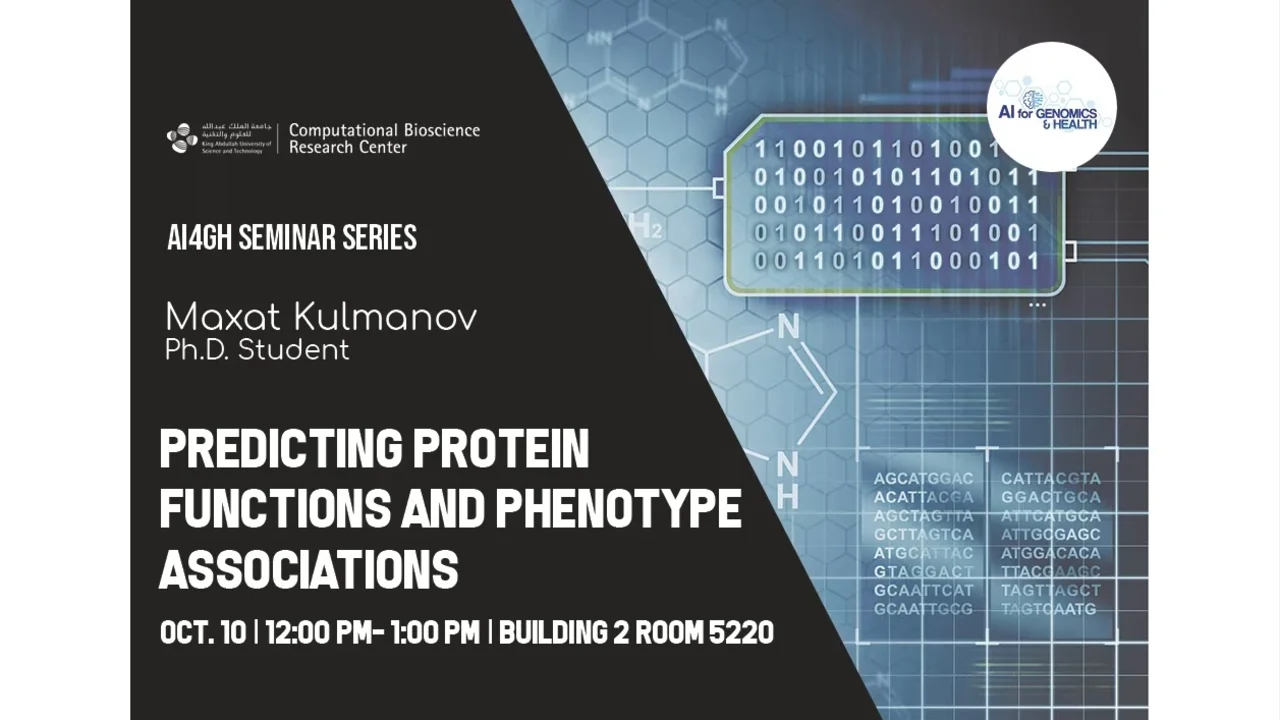
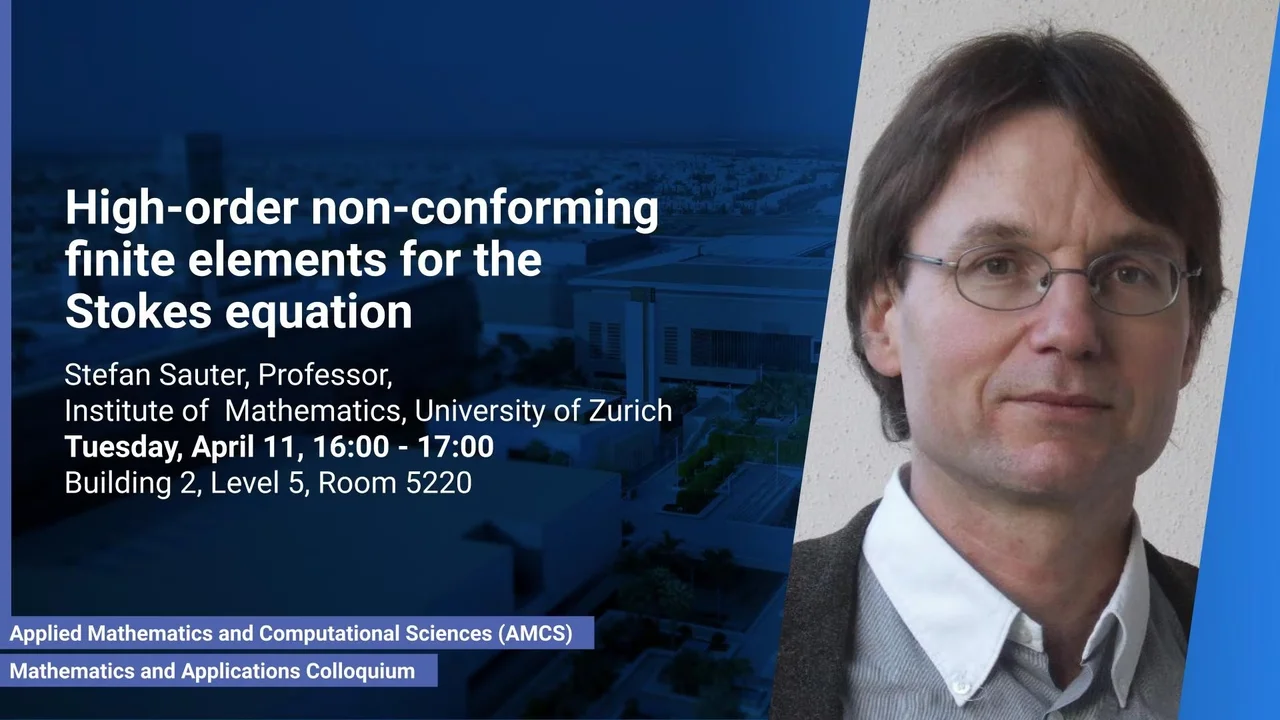
Stefan Sauter, Professor, Institute of Mathematics, University of Zurich
B2 L5 R5220
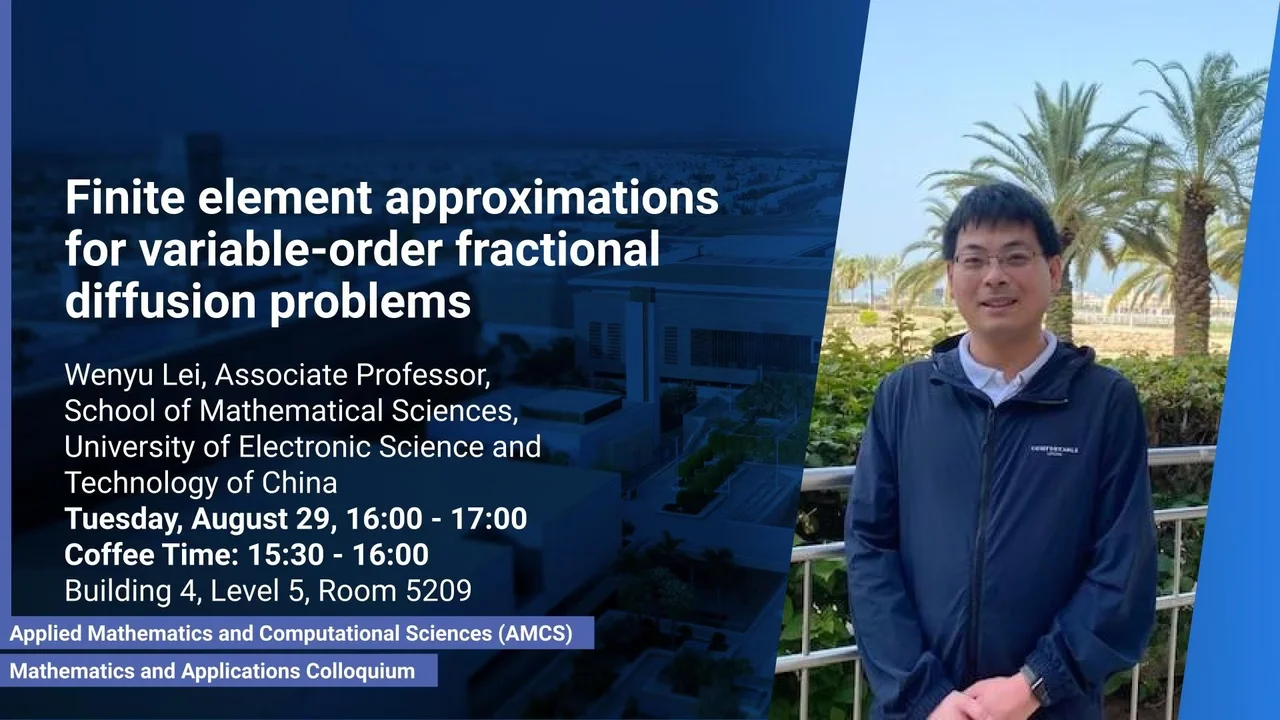
Prof. Wenyu Lei, University of Electronic Science and Technology of China
B4 L5 R5209
applied mathematics Numerical Solution of Partial Differential Equations Finite elements machine learning Numerical Optimization medicine computational mechanics contact problems fluid-structure interactions cardiac simulation biomechanics geology Multiphysics Simulation HPC optimization Multigrid Domain Decomposition software development
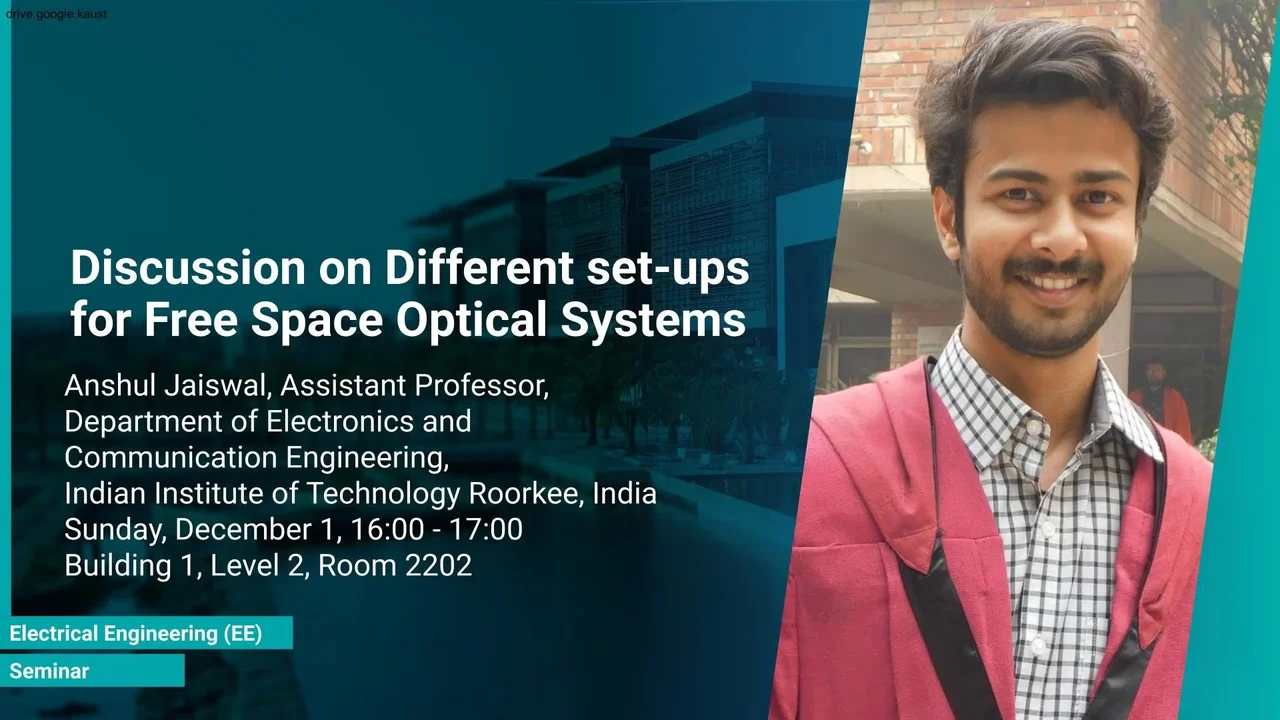
Dr. Anshul Jaiswal, Assistant Professor, Electronics Engineering, Indian Institute of Technology Roorkee
B1 L2 R2202
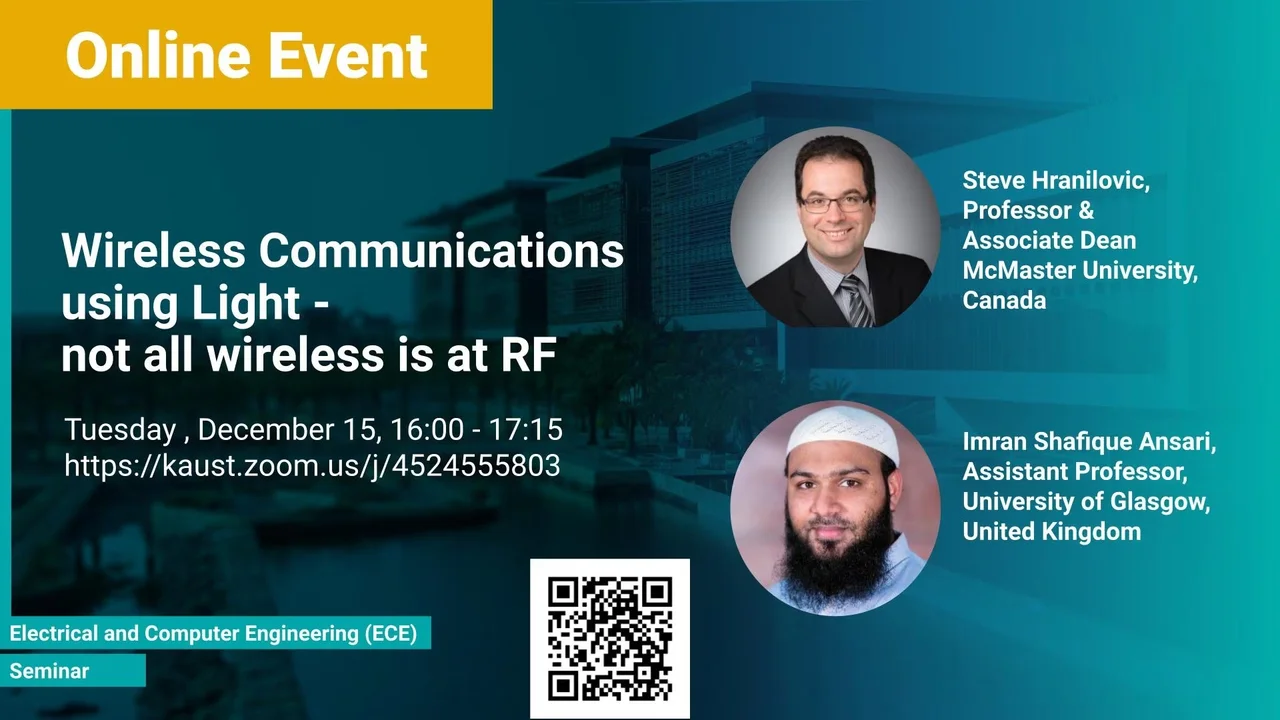
Prof. Steve Hranilovic, Associate Dean, McMaster University, Canada and Dr. Imran Shafique Ansari, Assistant Professor, University of Glasgow, United Kingdom
KAUST
Auditorium between Building 2 - 3, L0 R0215
Auditorium 0215 between Buildings 4 & 5
applied mathematics Numerical Solution of Partial Differential Equations Finite elements machine learning Numerical Optimization medicine computational mechanics contact problems fluid-structure interactions cardiac simulation biomechanics geology Multiphysics Simulation HPC optimization Multigrid Domain Decomposition software development